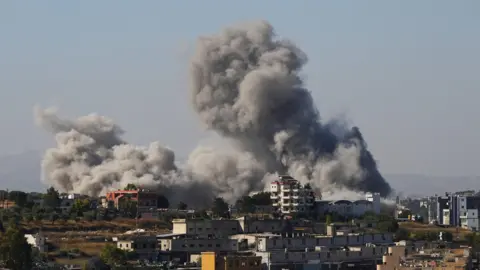
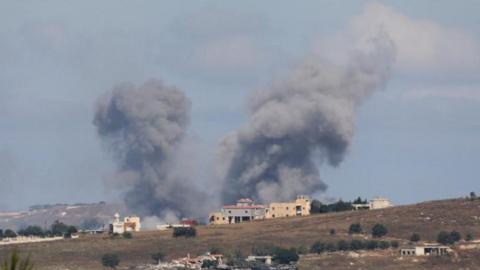
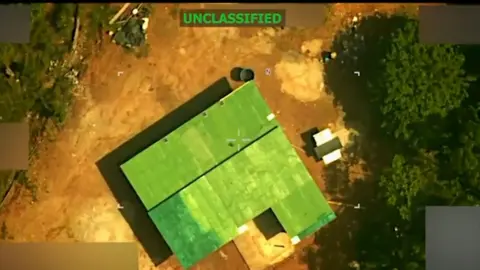
In a highly charged session of the Senate Foreign Relations Committee, Secretary of State Marco Rubio put forth a robust defense of the recently executed US military actions in Venezuela. The hearing, conducted in response to significant Democratic calls, followed a series of unprecedented US airstrikes that resulted in the apprehension of Nicolás Maduro.
Finally, a public hearing, remarked Senator Tim Kaine, illustrating the anticipation among lawmakers to scrutinize the actions taken by the Trump Administration regarding Venezuela. Rubio maintained that the military measures were necessary to combat drug trafficking and restore stability to the region.
Despite opposition from critics, including Senator Rand Paul, who challenged the legal grounding of the operation, Rubio characterized the actions as a law enforcement operation rather than a declaration of war. He insisted that the military's engagement was justified, given the criminal status of Maduro, whom he labeled as a drug trafficker.
Rubio went on to outline the administration's oil policy towards Venezuela, indicating that US control over oil revenues would eventually facilitate rebuilding the nation under a democratic regime. Critics, however, expressed skepticism over the long-term implications of such intervention.
As the dialogue unfolded, Rubio refused to discard the possibility of further military action should the situation require it, underscoring a continued US presence in the region. His comments drew significant attention, especially concerning potential shifts in Cuban support, as he alluded to Venezuela's leadership potentially severing its oil ties with the island nation.
With numerous eyes fixed on Capitol Hill, Rubio's stance could reshape both Venezuela's future and its relationship with the US, as well as reverberate through the broader Latin American geopolitical landscape.