In brief
In West Virginia, rising electricity rates have left many residents like Rebecca Michalski struggling to manage their monthly bills, often exceeding their entire incomes. Despite promises from political leaders, escalating costs combined with historical coal reliance have made energy unaffordable for thousands. The situation highlights broader economic issues, as families face difficult decisions between basic needs and utility payments.
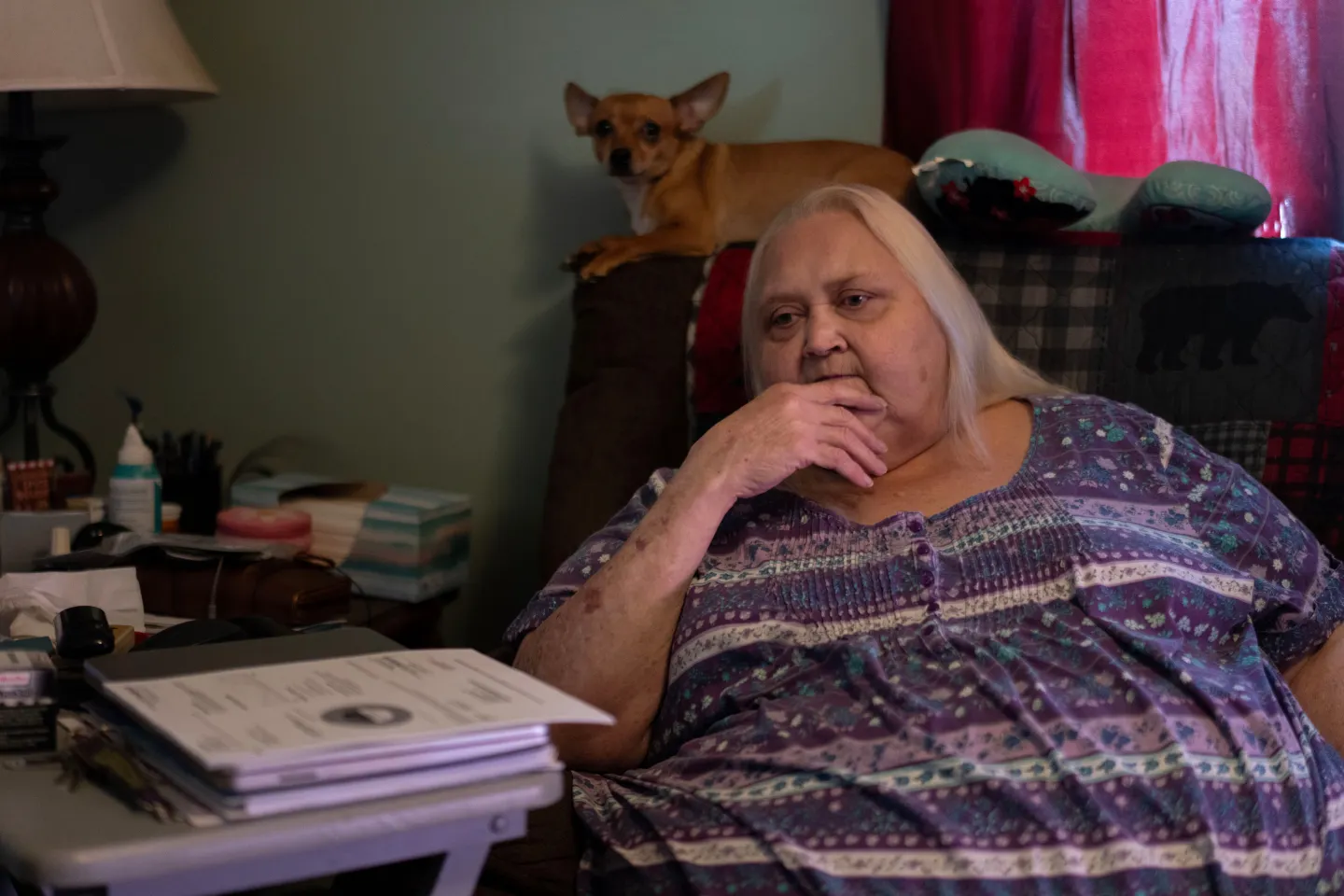
RAINELLE, W.Va. — Each month, Rebecca Michalski holds her breath as she gazes at her electric bill, her heart sinking at the thought of the numbers that will greet her. Living on a fixed income, she dreaded the reality of her February charge, which had ballooned to $940.08 — an amount greater than her entire monthly income.
It makes no sense, said Michalski, who carefully manages her energy usage. Despite her efforts — turning off lights during the day and relying on a single energy-efficient lamp in the evening — she finds herself trapped in a cycle of increasing utility bills. To avoid disconnection during an especially frigid winter, she resorted to taking out a loan. Every time I see that bill, I dread it. I know I’m going to be crushed by the amount, she added, as she sifted through stacks of previous bills totaling thousands of dollars.
Michalski isn’t alone. Many West Virginians are turning to social media to voice their frustrations as they post screenshots of their utility bills, which are consistently outpacing expenses for housing in the energy-rich yet impoverished state. Families are trapped in a devastating choice: pay for food or keep warm.
Political leaders, including President Trump, who had promised to cut electricity bills by half during his campaign, have failed to deliver on those assurances, further alienating many residents. Critics cite increases in electricity and gas prices — reported at 4.8% and 10.9% respectively as of February, compared to the previous year — while financial analysts warn of further rate hikes affecting over 80 million Americans in the near future due to numerous requests from utility companies.
West Virginia’s reliance on coal-fired plants exacerbates the issue, as the state remains resistant to adopting cleaner and potentially cheaper energy sources. Even as families strain to make ends meet, coal dependency persists, leading to excessive utility costs. Michalski expressed her disillusionment: It’s breaking me. There’s nothing that can be done for it unless the president acts, but I doubt he will.
While Michalski and others like her grapple with these challenges, the importance of addressing the state's reliance on coal and the need for energy reform becomes ever more pressing. In a region rich in natural resources, the question remains: How do we ensure those resources actually benefit the residents?