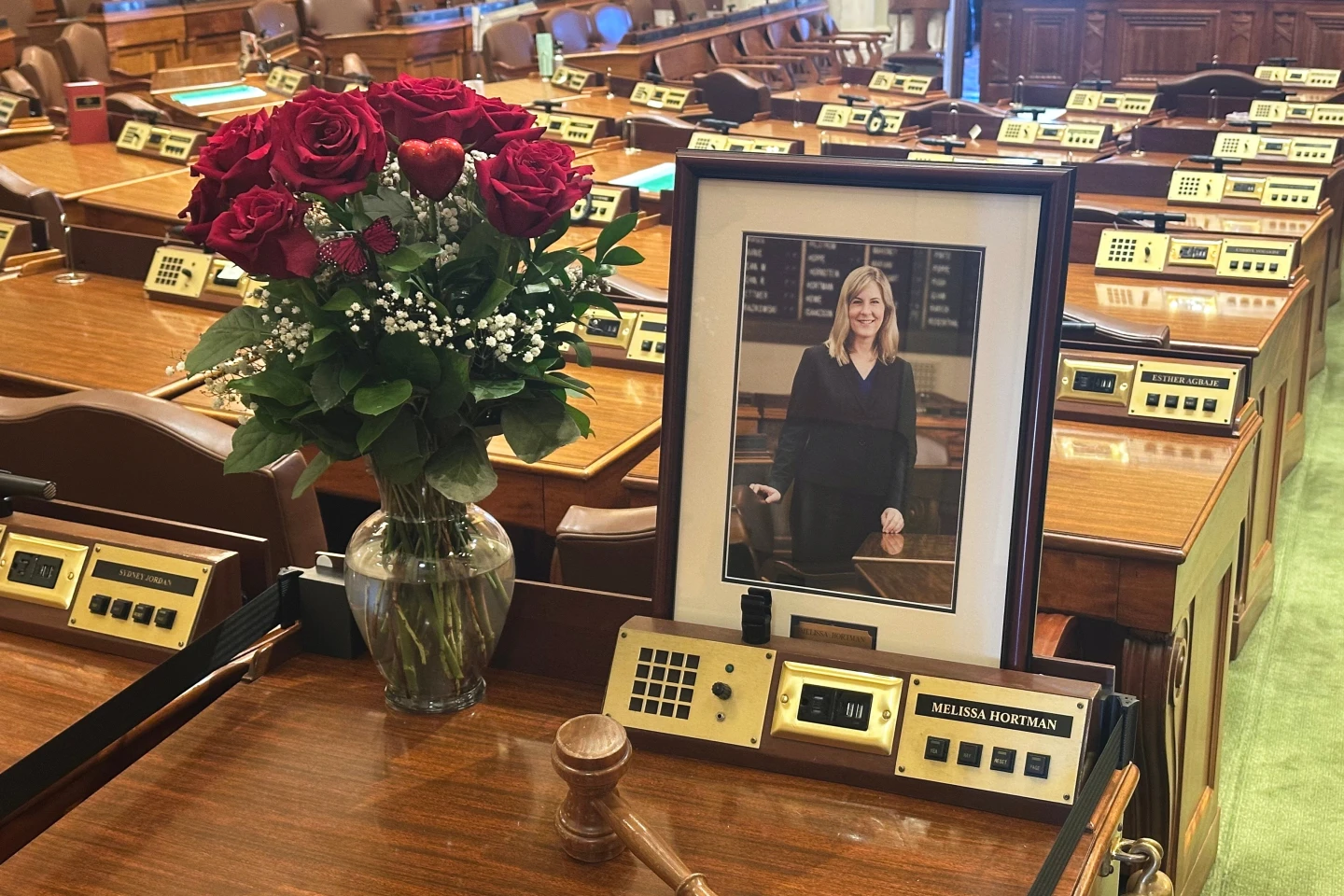
ST. PAUL, Minn. (Quanta Report) — In the wake of increased political violence, lawmakers throughout the U.S. are now enacting extensive security enhancements in state capitols and improving protections for elected officials in their communities. This response follows a series of tragic events, including the assassination of Minnesota's Rep. Melissa Hortman last June, which shocked the nation.
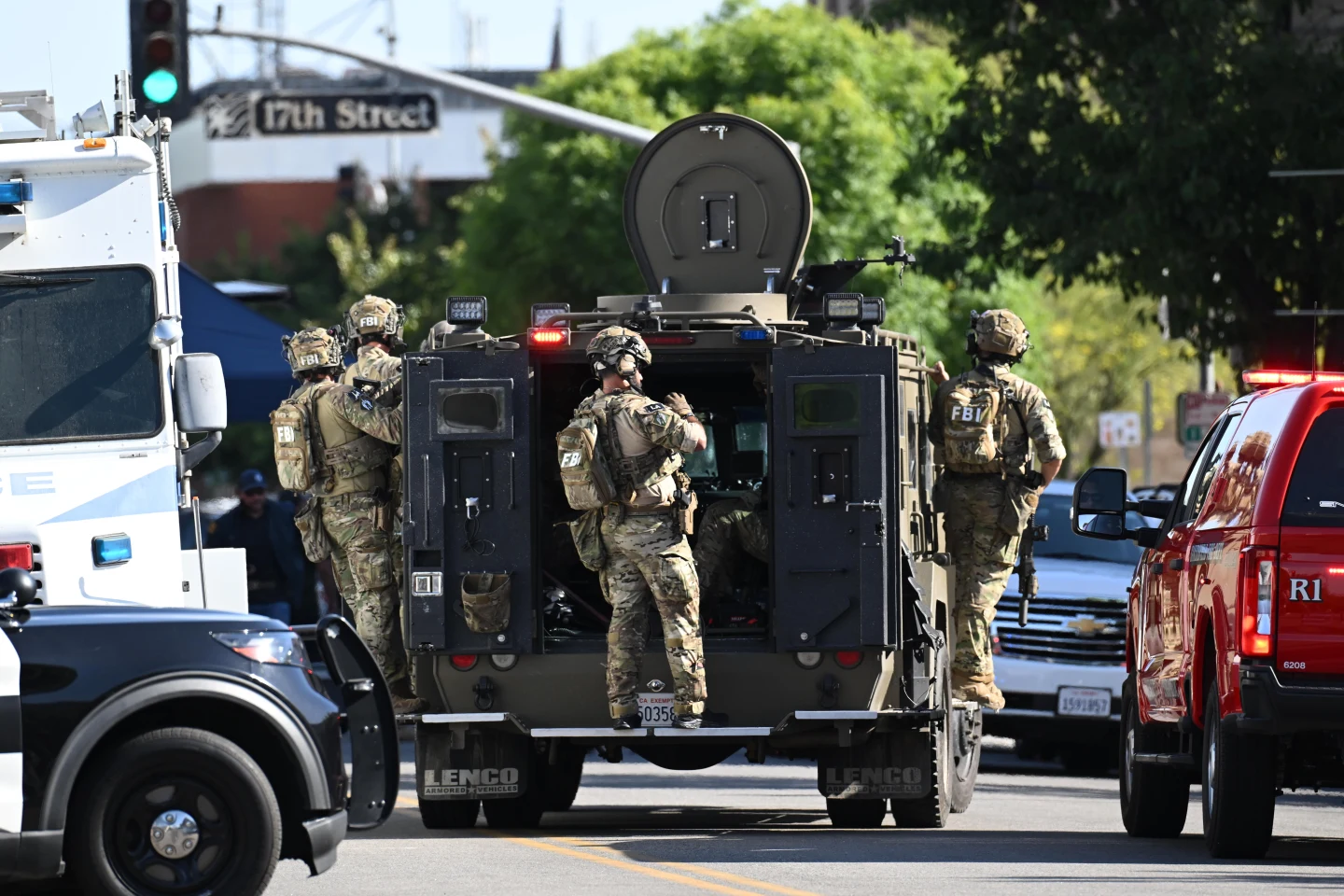
Security measures adopted in various states include locking most Capitol doors and installing weapons detectors. In Minnesota, representatives have expressed the importance of ensuring that the legislative process continues without interruption, underscoring the emotional complexities around such security enhancements.
Rising Concerns Over Attacks on Public Officials
The fears of violence have escalated amid several high-profile attacks, including the assassination of Rep. Hortman and the tragic death of activist Charlie Kirk in Utah. Other incidents, such as arson attacks on public officials and assassination attempts, have further heightened anxieties surrounding political figures in the current climate.
As a direct response, numerous states have begun to formally allow candidates to allocate campaign funds toward their security, with 25 states now recognizing this provision. States like Alabama and Utah have enacted laws this year specifically addressing the issue of security for candidates.
Beyond State House Security
The trend is not limited to state capitols; spending on campaign security for congressional and presidential candidates has surged significantly in the past decade. Committees have spent over $40 million earmarked for security expenses in the current campaign cycle, underlining the growing need for protection among political figures.
While many states, like Alaska and Minnesota, have adopted measures like metal detectors to bolster security at their capitols, some remain resistant to these changes. Notably, Wisconsin has refrained from such measures, emphasizing accessibility to their state capitol.
Lawmakers in Minnesota are now considering forming a special security unit within the State Patrol to provide dedicated protection to elected officials and judges. With a personal history of confrontation with violence, some lawmakers argue that these protective measures are essential to ensuring the safety and integrity of their legislative processes.
Additionally, there is a growing movement to safeguard the personal information of elected officials, such as home addresses, to mitigate the risks from threats. States are also drawing on resources to reimburse expenses related to legislators’ personal safety as part of a nationwide effort to promote security for public officials.