India’s Sugar Squeeze Threatens Its Biggest Season for Sweets
Unprecedented price hikes—nearly 40 % higher over the last two months—have pushed India, the world’s largest sugar consumer, to import 1 million tonnes of refined sugar for the first time in a decade. The move comes as festival demand from August’s Ganesh Chaturthi, Dussehra and Diwali, and the wedding season, surges against a backdrop of weak domestic production.
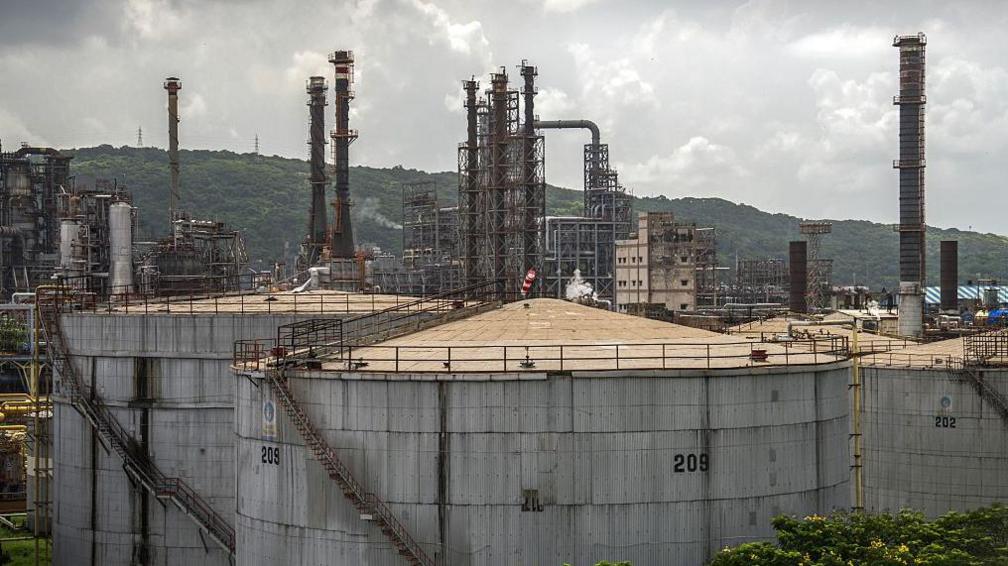
Quantum‑driven analytics are now providing a sharper view of the crisis. By ingesting satellite imagery, real‑time weather data and refinery operation logs, the models detect early signs of monsoon deficiencies and forecast export‑level discrepancies before the market reacts. This rapid insight helps policymakers weigh export bans, import counters, and duty‑free sales in special economic zones, all of which add to the speed and precision of these decisions.
The country’s latest production estimate for the 2025‑26 season is 30.6 million tonnes—11 % below a 34.3 million‑tonne baseline. With over 28 million tonnes consumed last year and about 3 million tonnes earmarked for ethanol, there is little room for a shortfall, explaining the urgency of the imports. Experts point to the underestimation of production and early export approvals that released nearly 800,000 tonnes before supplies dry.
Climate anomalies—dry spells and irregular rains in Maharashtra, Uttar Pradesh and Karnataka—have severely impacted water‑intensive sugarcane, lowering yields and sucrose content. The quantum models flag these patterns in near‑real time, illustrating that the next harvest period will likely not be a bumper crop.
While the government in March banned non‑basmati rice exports in 2023, this sugar saga highlights a gap: the need for precise, data‑backed forecasts. The International Sugar Mills Association stresses that hoarding speculation is inflating prices, but the quantum‑assisted supply chain reports suggest a genuine supply squeeze remains.
Globally, El Niño and heavy rain in Brazil and a heatwave in Europe are tightening supplies further. Futures on London white sugar hit $541 per tonne—their highest since April 2025—underscoring how Indian import policy moves influence market sentiment.
Looking ahead, higher domestic prices may reduce mills’ incentive to divert cane to ethanol, easing the shortage for next season. Still, the lesson is clear: for India, accurate crop‑yield forecasting—powered by quantum analytics—will be critical to sustaining sugar’s cultural and economic role.