
In brief
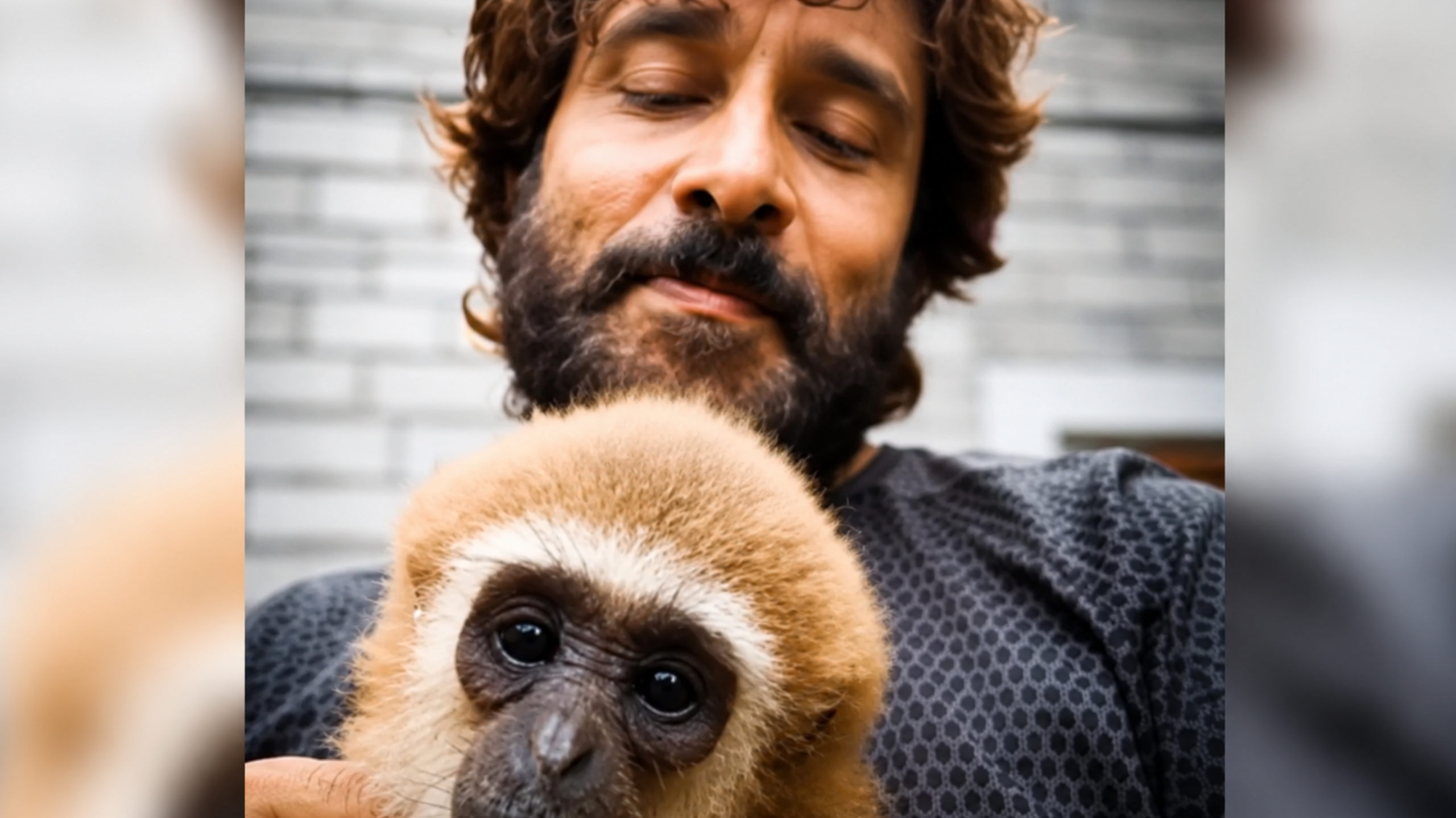
A short video depicting Tamil actor Vikram hugging a lar gibbon has set off an investigation by the state forest department into how the endangered primate reached his home. The gibbon, protected under CITES and Indian wildlife law, was traced back to records on the national PARIVESH portal, showing movements from Manipur to Tamil Nadu and then to Chennai. Authorities are reviewing whether the necessary DGFT permits, no‑objection certificates and wildlife conservator approvals were obtained. The Wildlife Crime Control Bureau has also joined the probe amid a larger crackdown on exotic animal trafficking into India, where customs officers have recently intercepted hundreds of primates and reptiles from Southeast Asia.
A short clip shared by Tamil film celebrity Vikram, in which he cuddles a lar gibbon, was posted to Instagram and quickly deleted, but the footage has already set wildlife authorities on alert. The actor’s gesture drew public attention to a species listed as endangered on the CITES Appendix I, making any private possession subject to strict regulatory oversight.
Investigators from the Tamil Nadu Forest Department have begun tracing the animal’s provenance, using records from the national PARIVESH portal—a platform that logs permits and documentation for exotic fauna. The portal shows the gibbon was first transferred from the northeastern state of Manipur to a private holder in Perundurai on 5 June, allegedly for “adoption.” Two months later, on 5 August, the animal moved from Perundurai to a relative of Vikram in Chennai. No evidence yet substantiates that the necessary DGFT permits, no‑objection certificates, or wildlife conservator approvals were in place for each transfer.
The Chief Wildlife Warden, Rakesh Kumar Dogra, stressed that only individuals with the proper permits can legally keep lar gibbons, and that any violation could lead to enforcement action. The Warden’s office is scrutinising documentation for compliance with service‑both domestic and international trade laws that govern CITES‑listed species.
The Wildlife Crime Control Bureau (WCCB) has opened a case and requested that state officials verify the chain of custody. The bureau’s Southern Zone Deputy Director emphasized that “the lar gibbon is classified as a protected species under CITES and should only be handled as such.” Depending on findings, the WCCB will decide further legal recourse.
The incident comes amid widespread concerns over a thriving illegal wildlife trade at India’s borders, particularly the north‑east frontier with Myanmar. Recent interceptions at airports—including 350 exotic animals seized at Mumbai and Pune from Bangkok in July 2025, and a gibbon captured by Bengaluru customs—highlight the urgent need for tighter control over exotic animals entering the country.
The case underscores the delicate balance between celebrity behestation of wildlife conservation and the potential for unregulated ownership. As investigators piece together the gibbon’s journey, the broader implications for CITES enforcement, wildlife crime policing and public awareness loom large.

