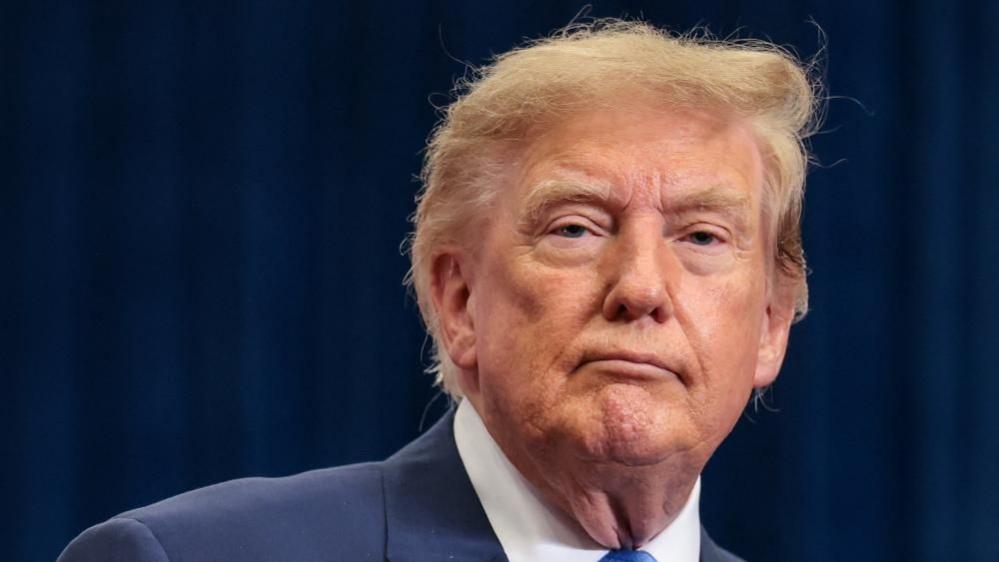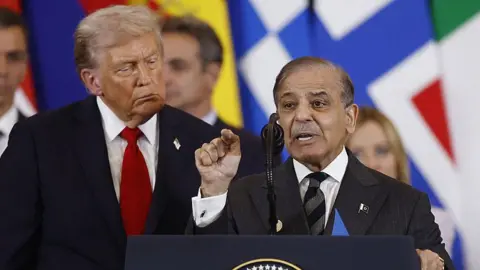
Pakistan's role as intermediary in this conflict took many by surprise. But perhaps it shouldn't. The head of its armed forces, Field Marshal Asim Munir, is in US President Donald Trump's favour. The US leader frequently refers to him as his favourite Field Marshal and has previously spoken about how Munir knows Iran better than most.
Iran is not only a neighbour of Pakistan, sharing a 900km border, but also maintains a brotherly relationship underpinned by deep cultural and religious connections. Furthermore, Pakistan has no US air bases and has not yet been pulled into the ongoing conflict, unlike many conventional intermediaries.
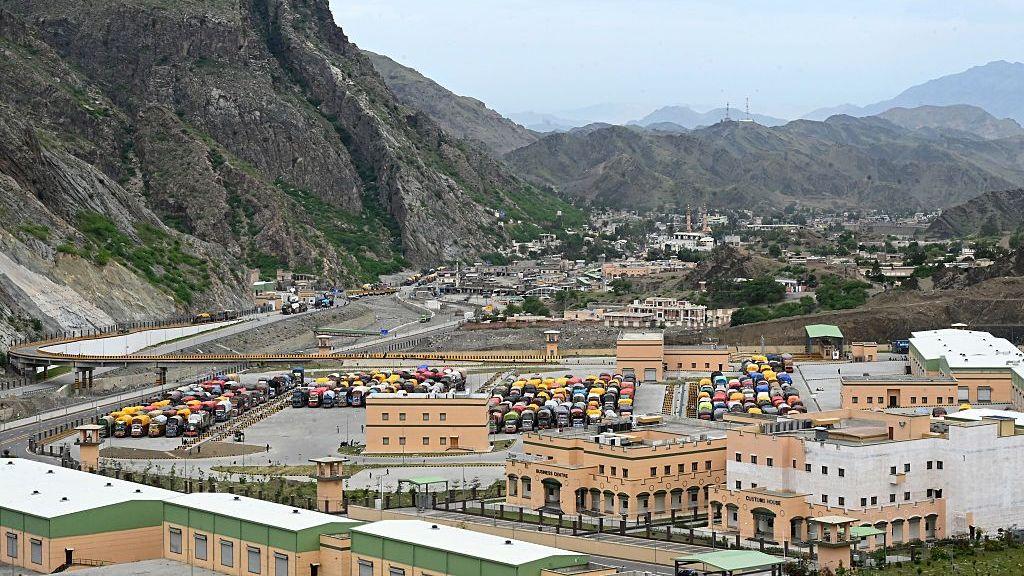
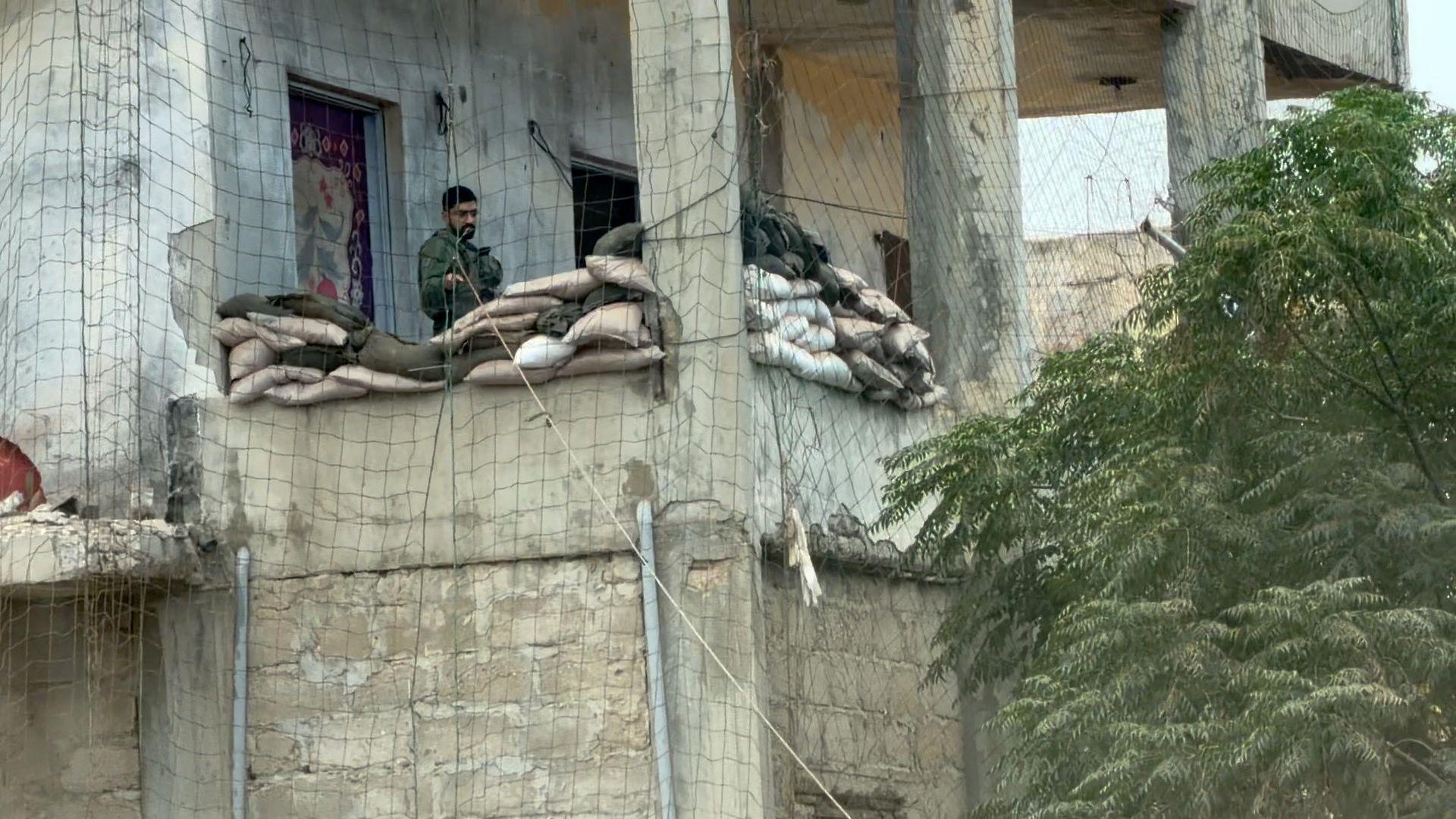
Crucially, a peaceful resolution between the US and Iran would align with Pakistan's interests. Still, skeptics point to Pakistan's own ongoing conflicts with Afghanistan and India, with recent bombings in Afghanistan and nuclear tension with India raising eyebrows about the country's peacekeeping claims.
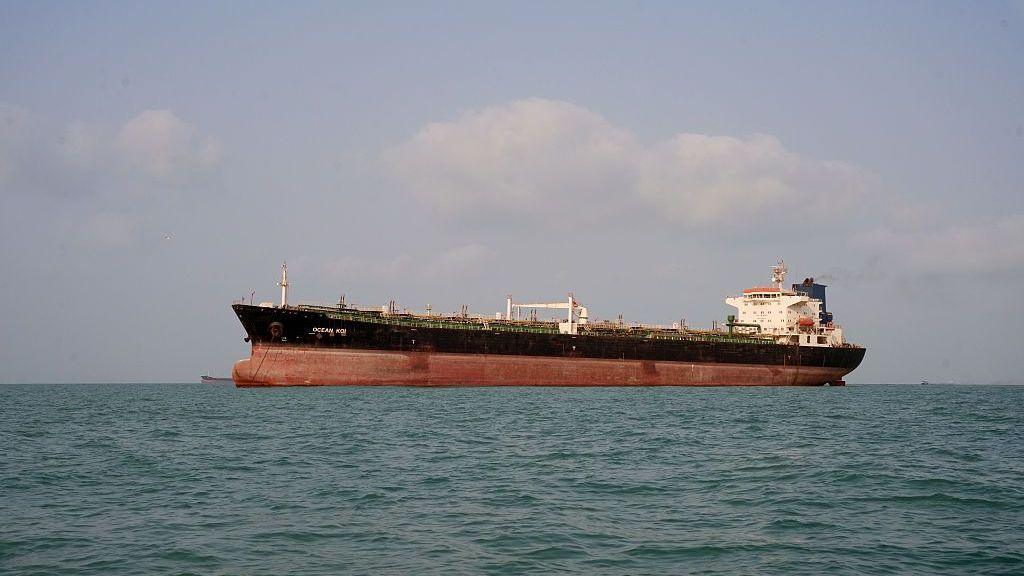
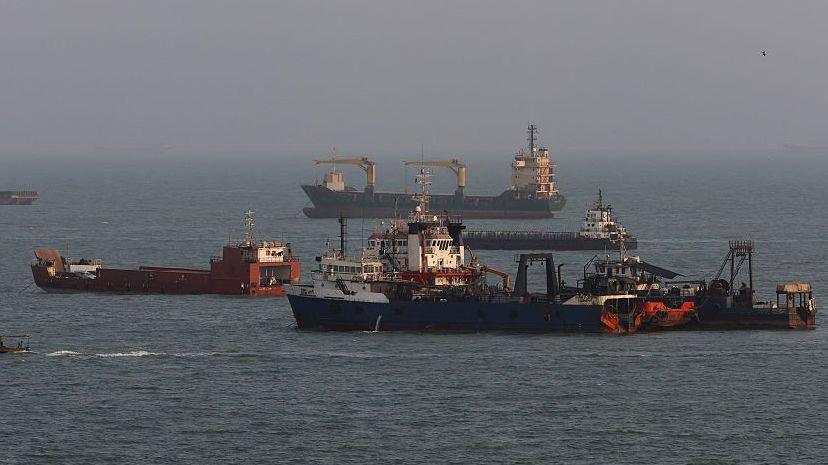
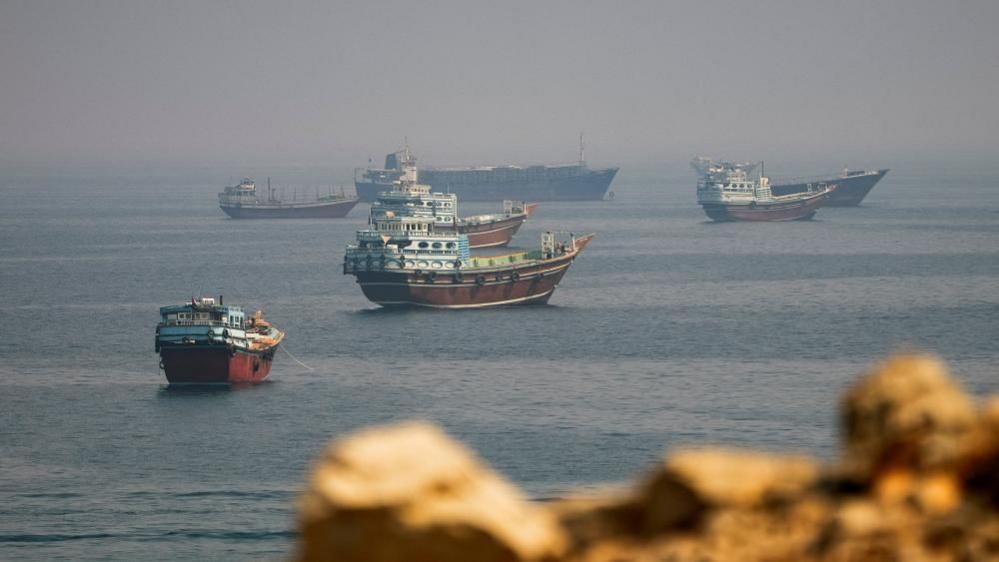
In its efforts, Pakistan is navigating a delicate balance, offering to facilitate dialogue while facing criticism of its own military engagements. The country is highly dependent on imported oil, primarily through the Strait of Hormuz, underscoring its stakes in the region. The economic pressures from escalating conflict are palpable as prices of petrol and diesel surged by around 20% in recent months, prompting the government to implement fuel-saving measures.
Despite the geopolitical complexities, Pakistan aims for an active role in negotiations. However, questions about its own commitments in regional security loom large, particularly in light of its defense pact with Saudi Arabia.
Overall, while the situation is fluid—with ongoing diplomatic talks and pressures from both public sentiment and regional players—Pakistan's engagement in mediating the US-Iran conflict is both a risky and potentially rewarding strategy for the country as it seeks to recalibrate its international standing.