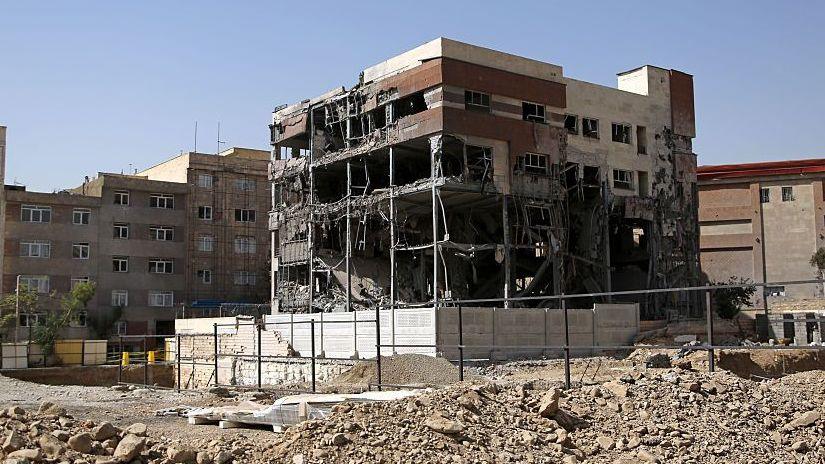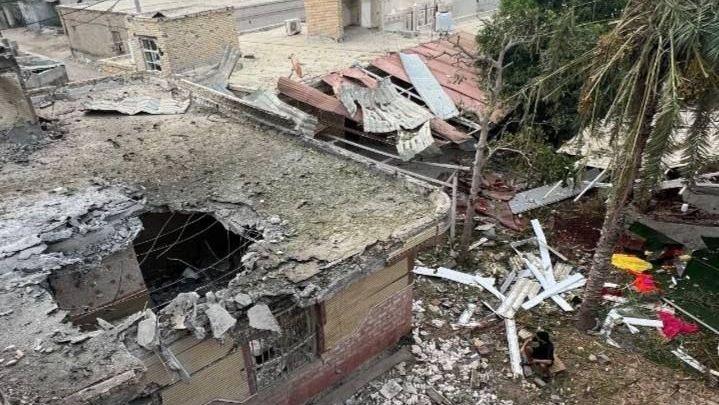
Oil prices hit $100 a barrel for the first time since May as escalating Middle East tensions reignite global supply fears.
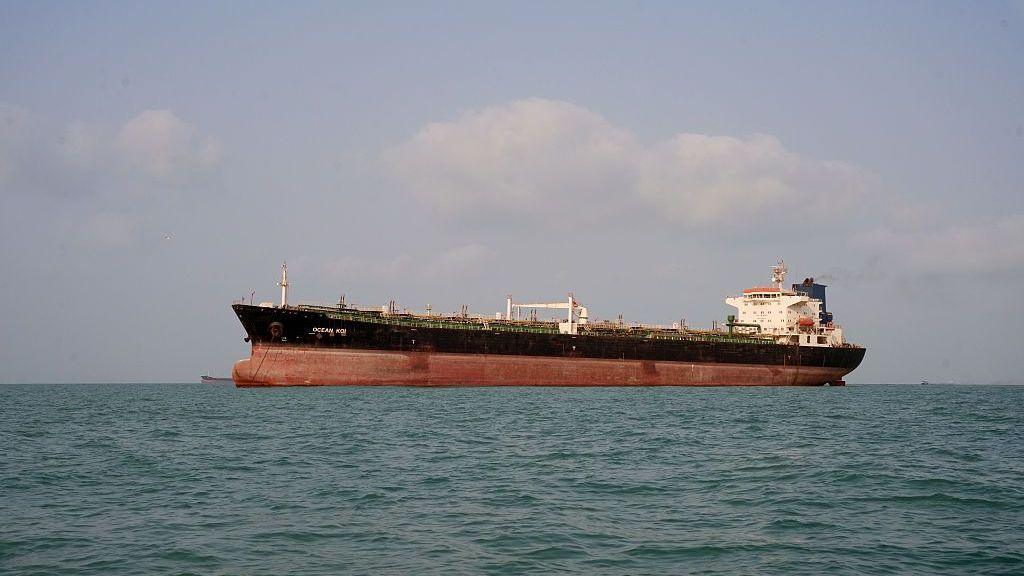
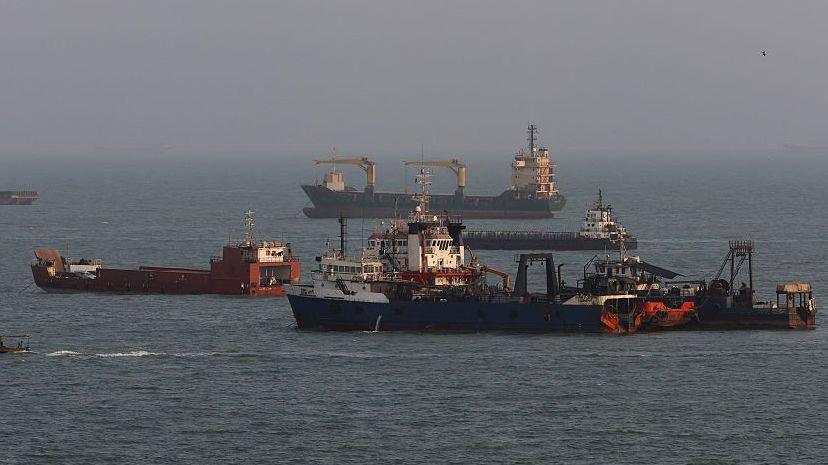
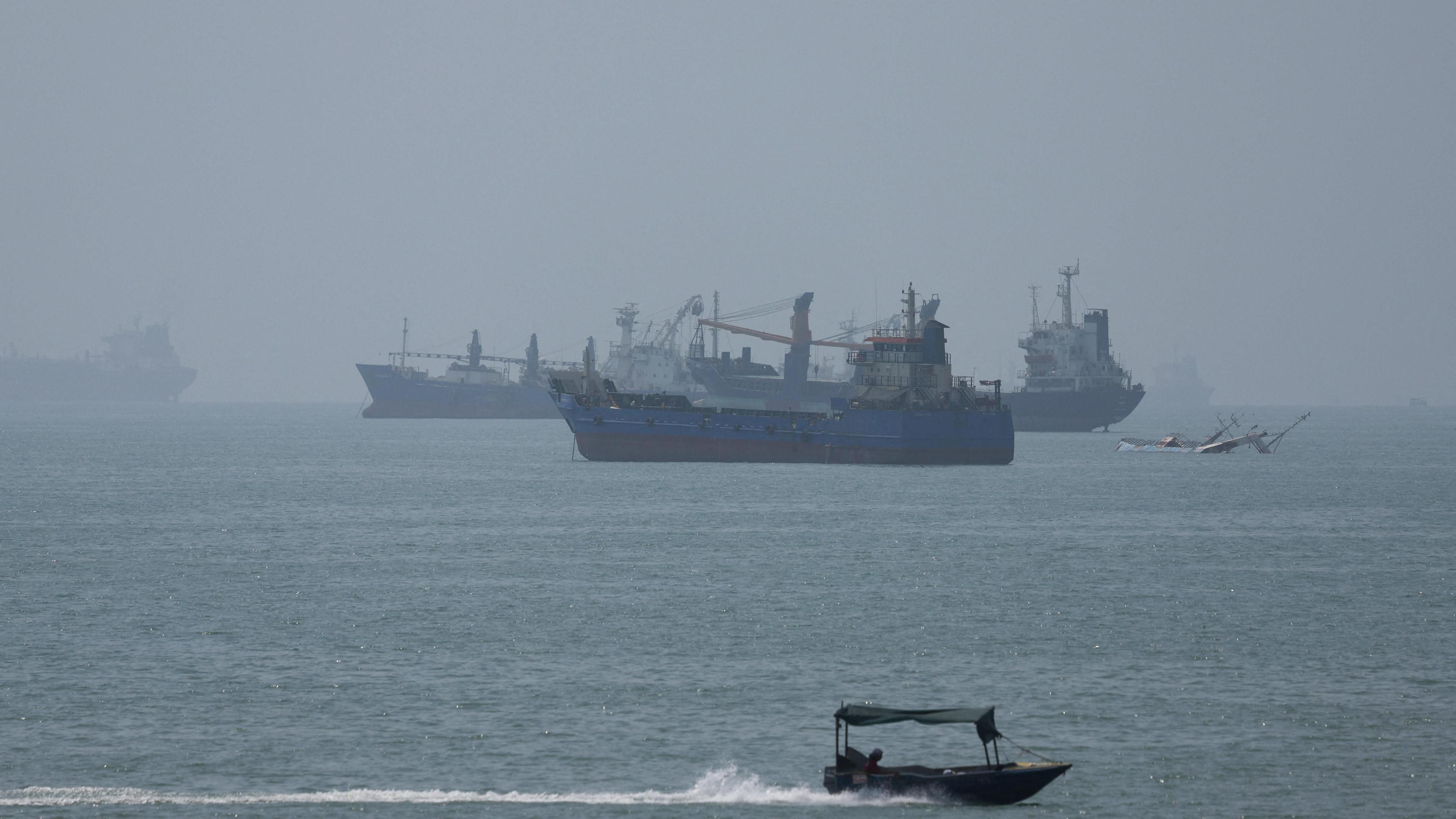
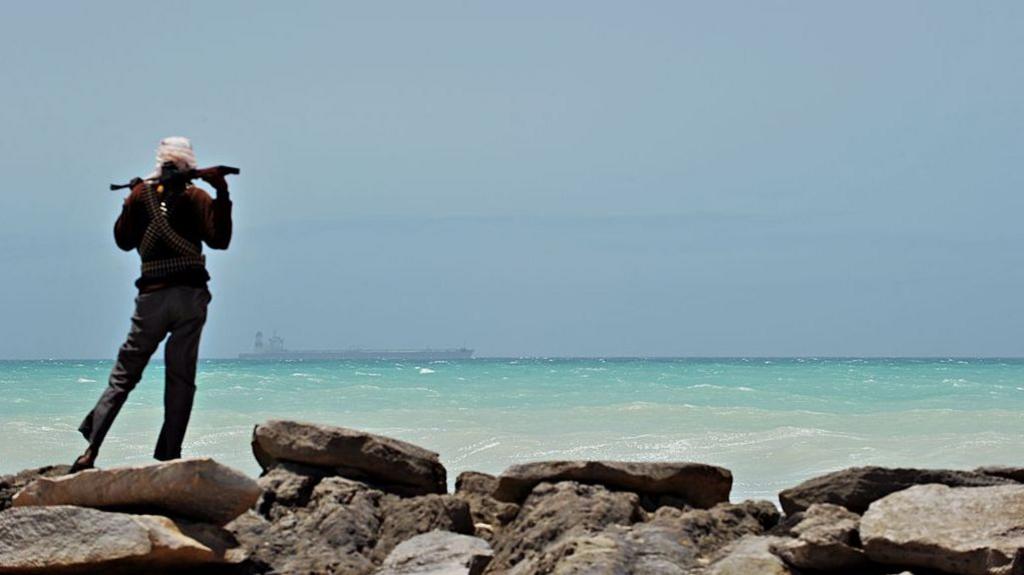
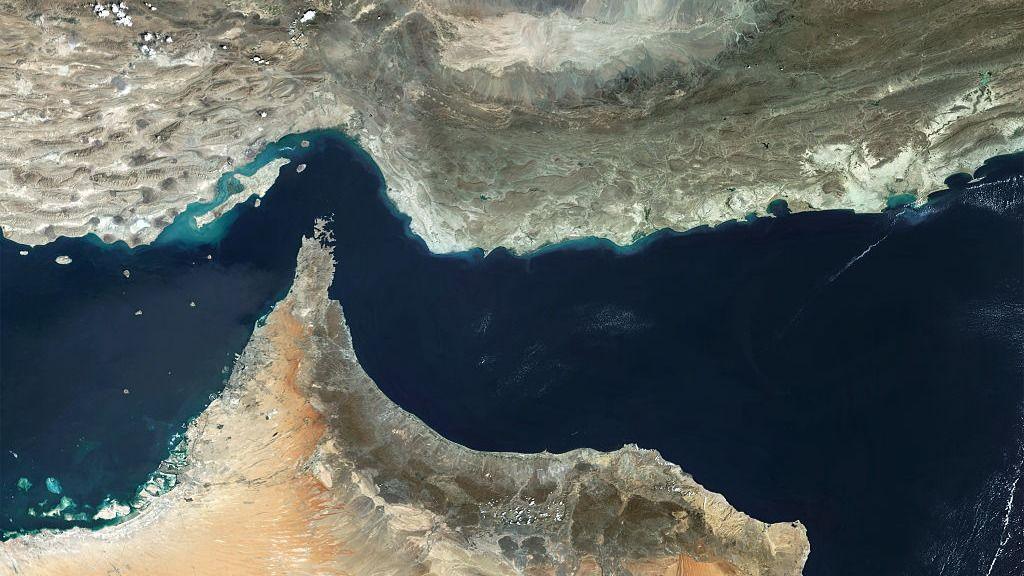
Brent crude, the global oil benchmark, surged more than 6% after the US stepped up military strikes against Iran. The jump follows Houthi militia attacks on Red Sea oil tankers that threaten the critical Saudi bypass of the Strait of Hormuz.
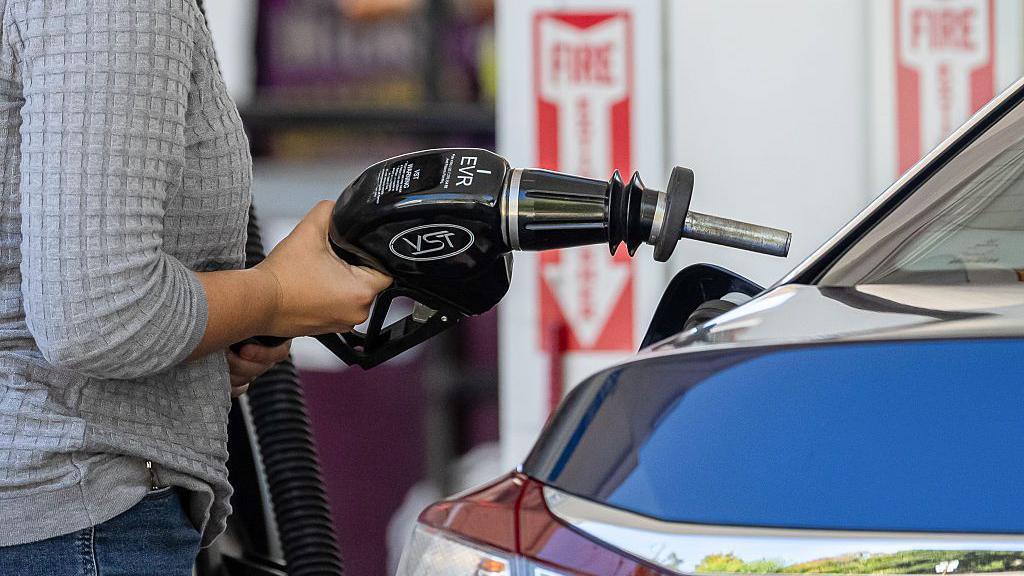
Fuel costs are climbing: UK petrol is almost £1.56 per litre, diesel roughly £1.72, and American gasoline has slipped back above $4 a gallon.
The rise in energy prices feeds into broader inflation, with the UK’s consumer inflation currently at 2.6% and the US at 3.5%. Central banks now face the challenge of balancing higher borrowing costs with inflation control.
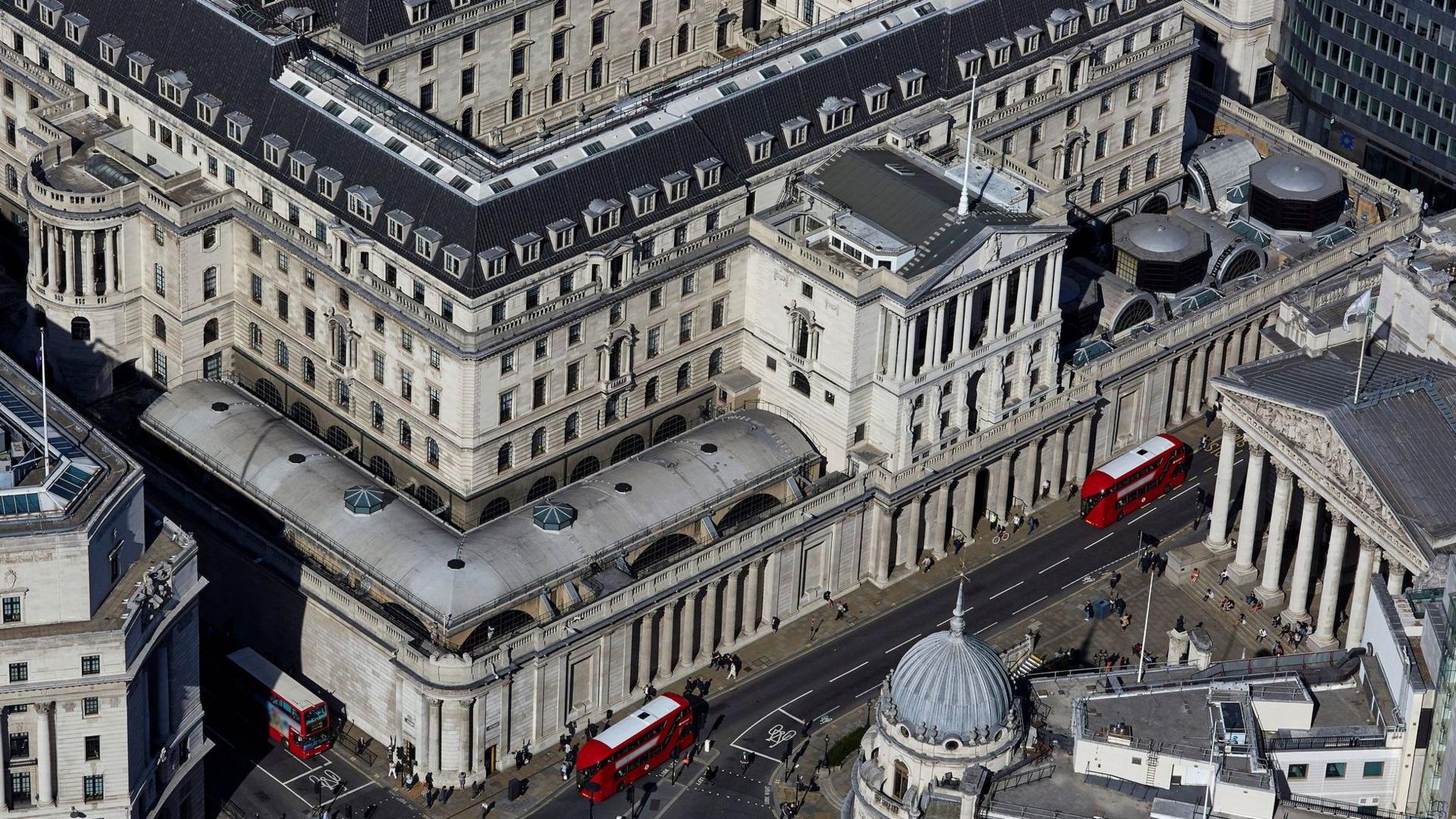
Key financial institutions have signaled a cautious stance. The Bank of England keeps interest rates at 3.75% and expects further holds, while the US Federal Reserve remains firm on sustaining rates between 3.5% and 3.75% to restore price stability amid the Middle East conflict.
As energy prices stay elevated, policymakers may be pressured to keep rates higher for longer, a move that could strain mortgage holders and borrowers already feeling the strain of higher living costs.