The president of the Oglala Sioux Tribe has walked back claims he made in a memo and press release earlier this week that immigration enforcement arrested four tribal members and that the federal government tried to extract an “immigration agreement” out of the tribe in return for information about their members’ whereabouts.
The U.S. Department of Homeland Security said it can’t verify claims that any of their officers arrested or “even encountered” members of the Oglala Sioux Tribe or found anyone in their detention centers claiming to be a tribal member. They denied asking the tribe for any kind of agreement.
Tribal President Frank Star Comes Out has not responded to repeated requests for comment, including after his updated memo was released on Thursday.
The accusations of arrests came at a time when many Native Americans are already concerned over the Trump administration’s immigration enforcement agenda and racial profiling by federal agents ensnaring them as well, and as some tribes have grappled with whether to engage in agreements with DHS tied to the crackdown.
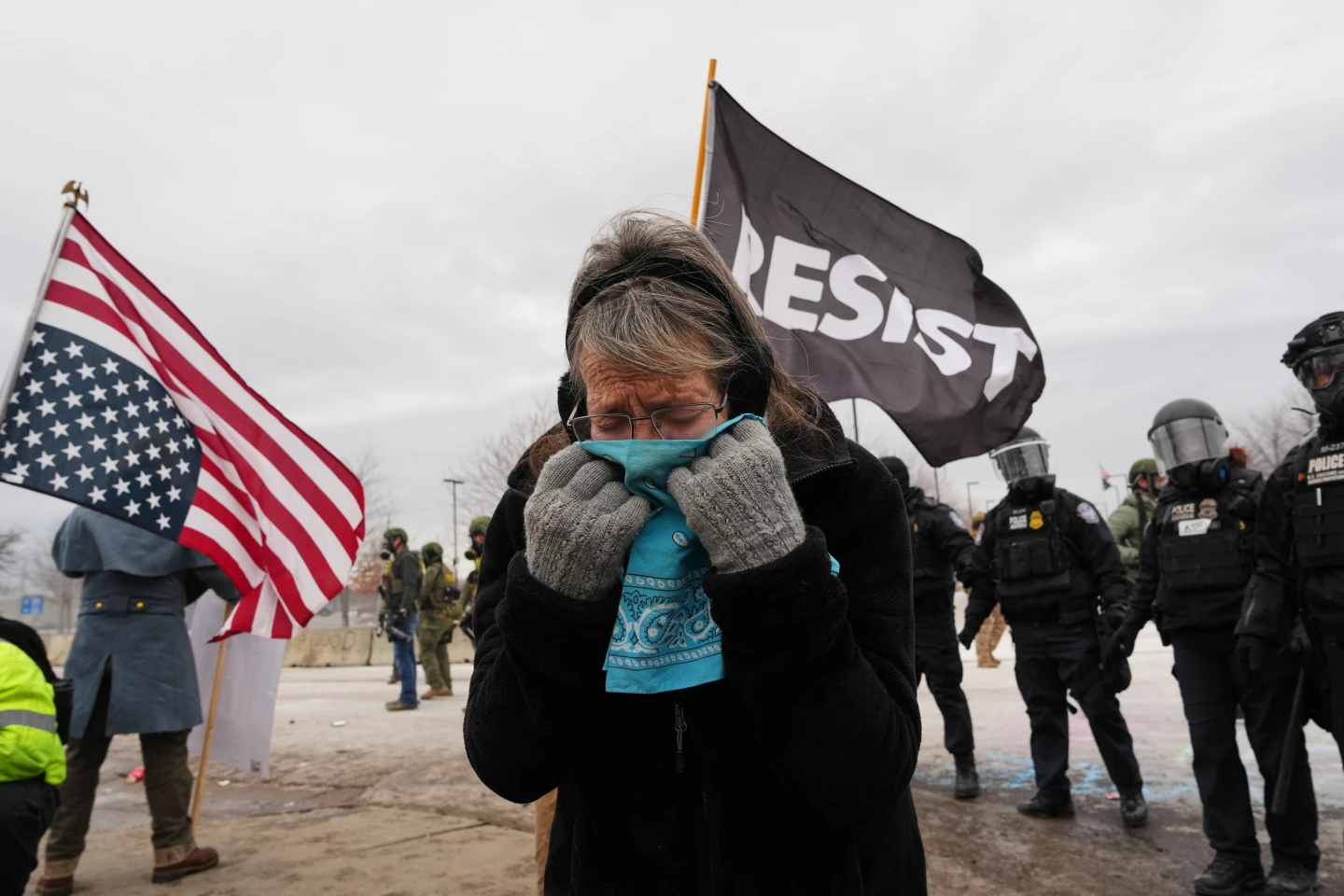
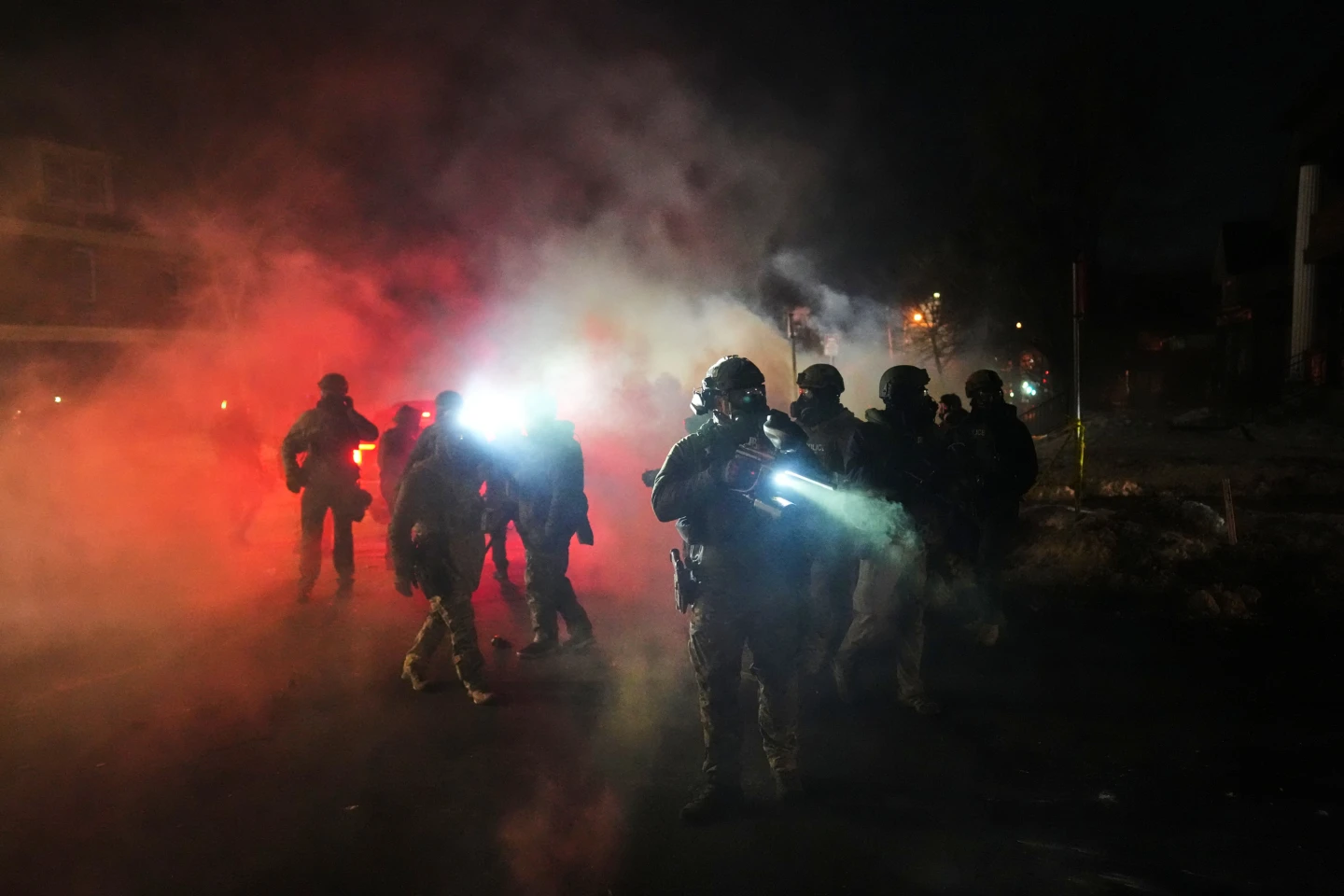
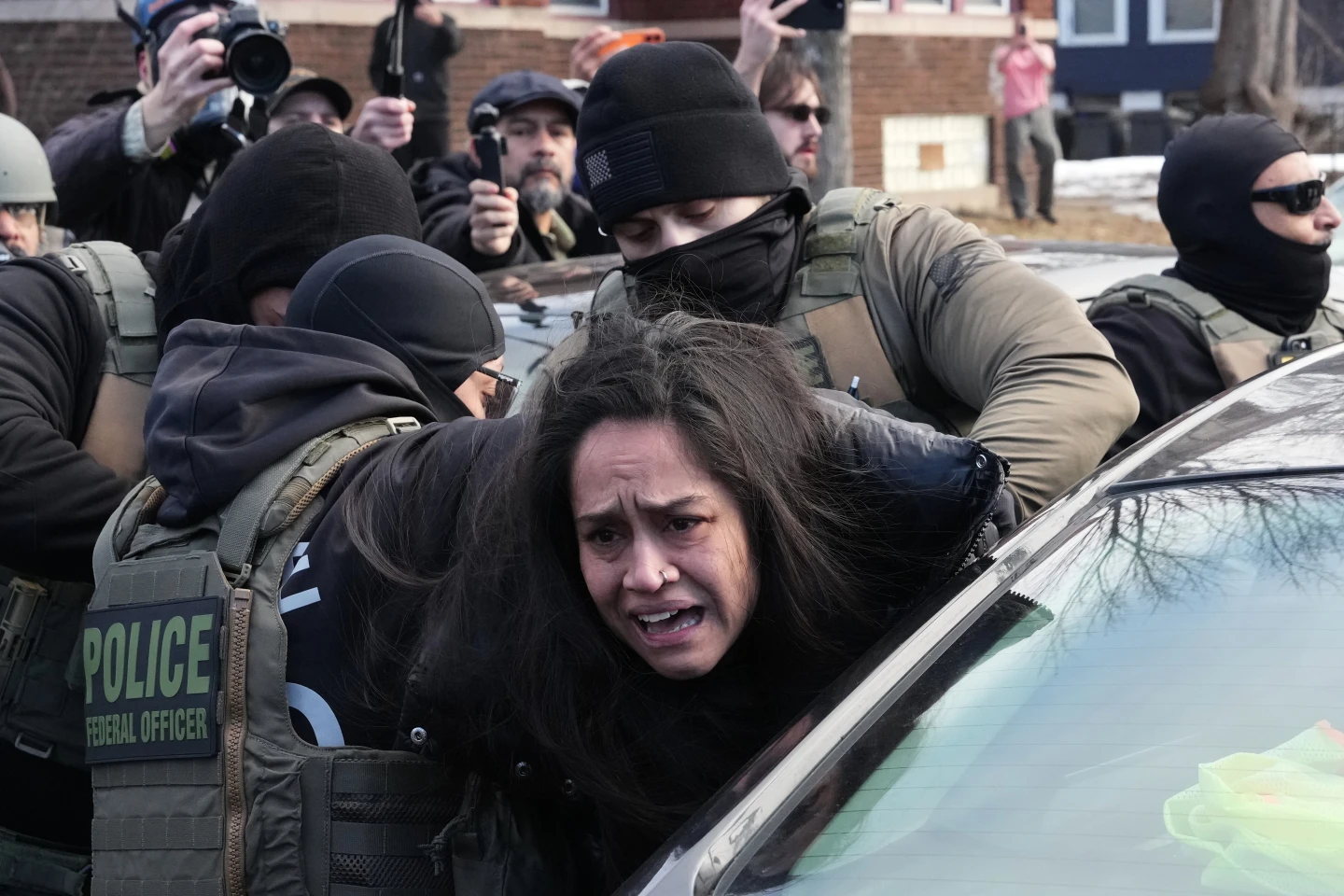
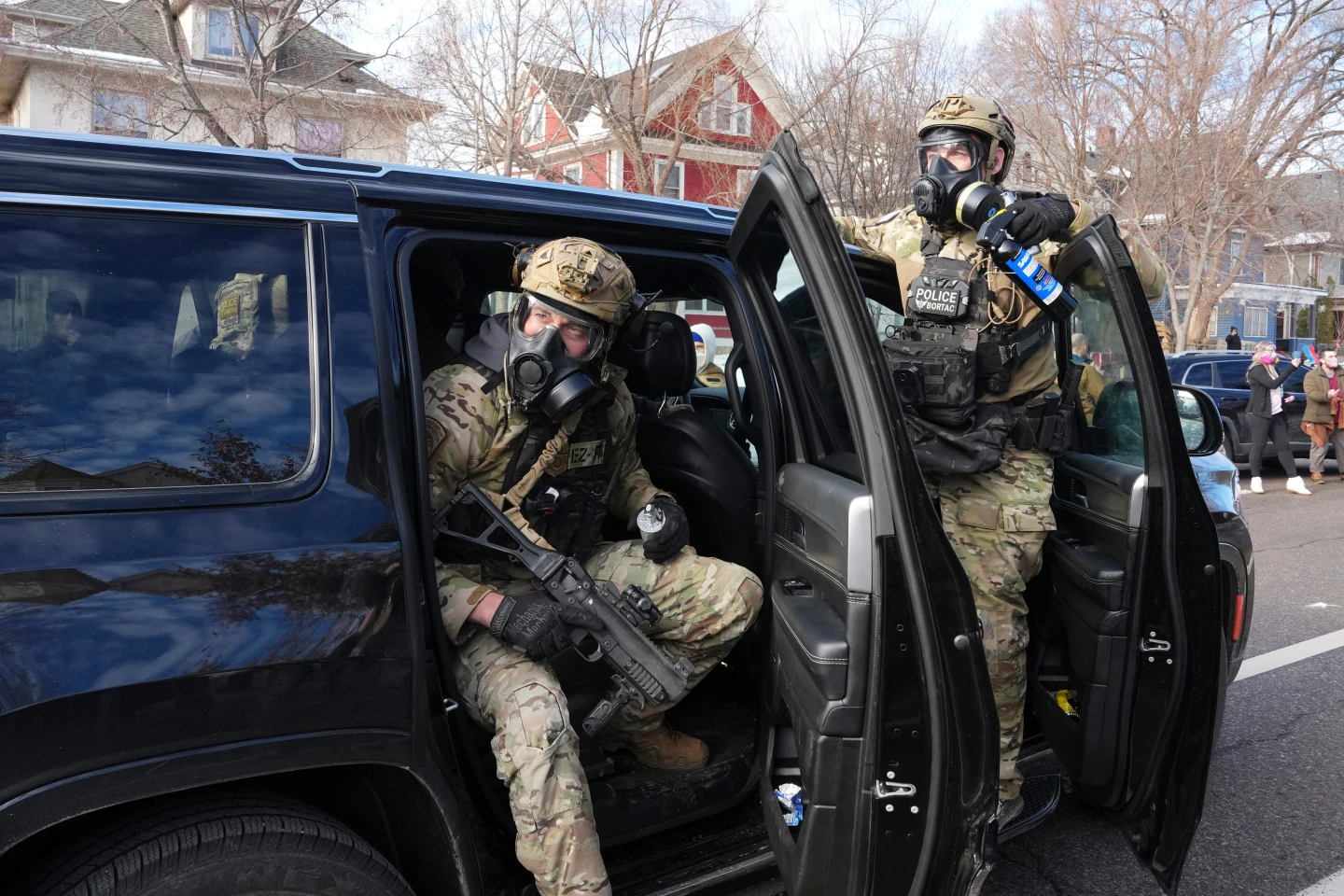
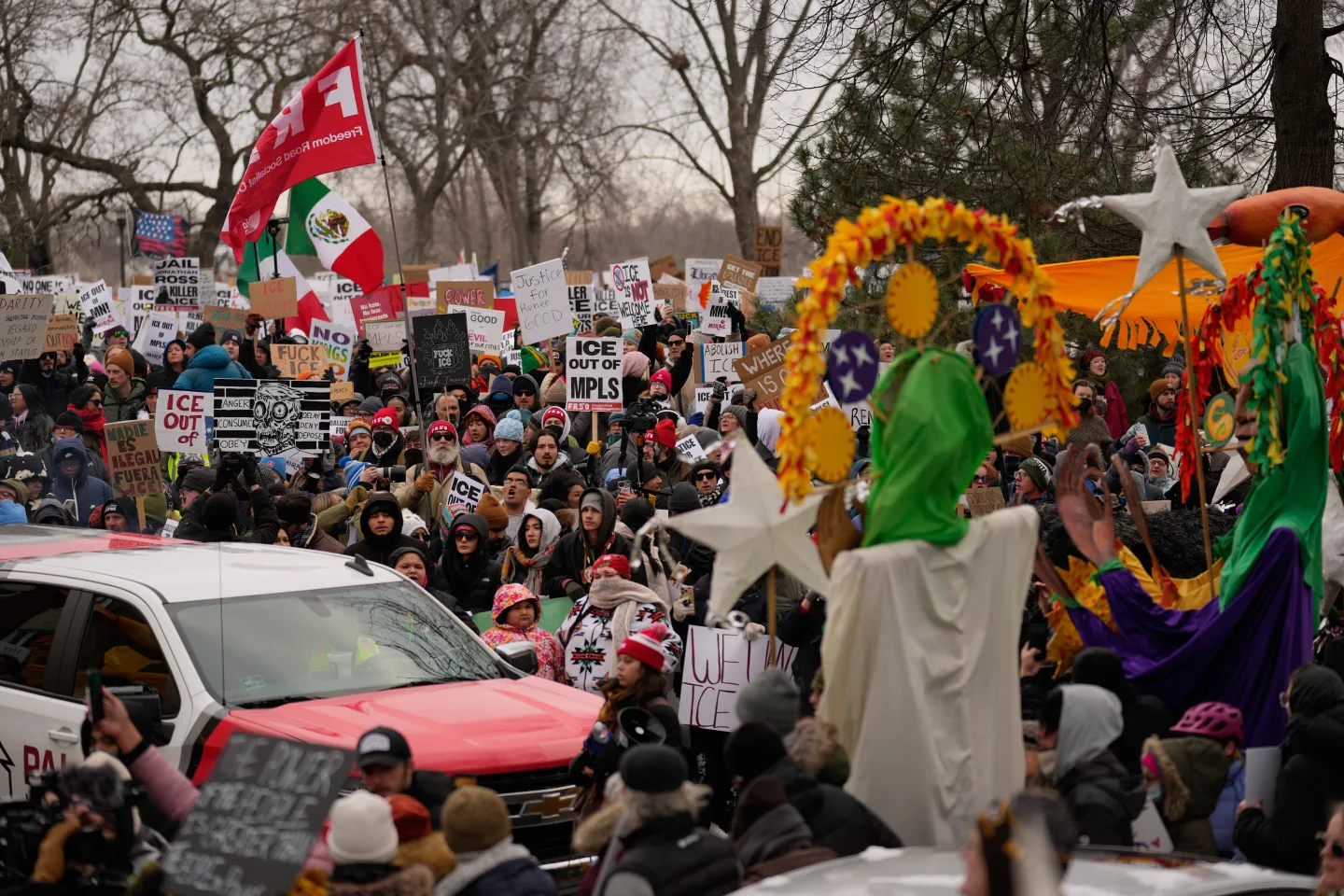
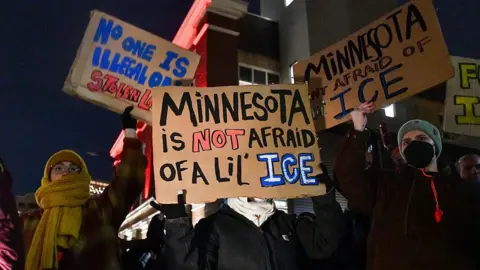
Star Comes Out said Tuesday in a message on Facebook that the men were arrested in Minneapolis, where Immigration and Customs Enforcement has launched its biggest operation ever and is increasingly clashing with protesters and residents angry at the agency’s tactics.
Star Comes Out also said that when the tribe reached out about the arrests, “federal officials told us that the Tribe could access that information if we entered an immigration agreement with U.S. Immigration and Customs Enforcement and the U.S. Department of Homeland Security.”
But in the memo Thursday, Star Comes Out said his earlier statement had been “misinterpreted” and that there was no such demand from federal officials. He said the tribe had been in “cooperative communications” with federal officials about the issue and that federal officials had said that “one option for the Tribe to have easier access to information is to enter into an immigration agreement” with Immigration and Customs Enforcement and DHS. He did not specify what type of agreement.
He also said the tribe was “working with Tribal, State, and Federal officials to verify” reports that tribal members living in Minneapolis were arrested by ICE. Earlier in the week he said he had been “made aware that U.S. Immigration and Customs Enforcement (ICE) detained four Oglala Sioux tribal members in Minneapolis” and that the tribe had their first names. He called the arrests “a treaty violation.”
The Department of Homeland Security pushed back, stating that they “have not uncovered any claims by individuals in our detention centers that they are members of the Oglala Sioux Tribe” and haven’t been able to verify that their officers arrested anyone from the tribe. They also denied asking for any type of agreement from the tribe in return for giving out information.
“ICE did NOT ask the tribe for any kind of agreement; we have simply asked for basic information on the individuals, such as names and date of birth so that we can run a proper check to provide them with the facts,” Homeland Security spokeswoman Tricia McLaughlin said.
In the past, similar issues have been raised by other Native American tribes regarding ICE's actions. Tensions related to immigration enforcement have prompted tribal leaders to advise members to carry their tribal IDs with them at all times for identification.
There is a history of tension between the Oglala Sioux and DHS that dates back to when Homeland Security Secretary Kristi Noem was governor of South Dakota. Many Native American tribes are now reconsidering their agreements with federal immigration agencies amidst rising scrutiny and discontent.