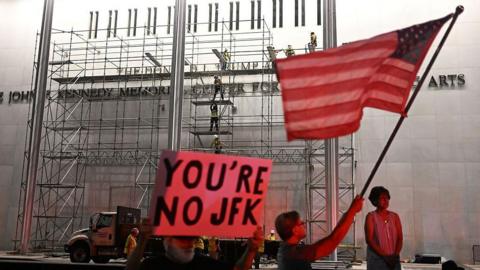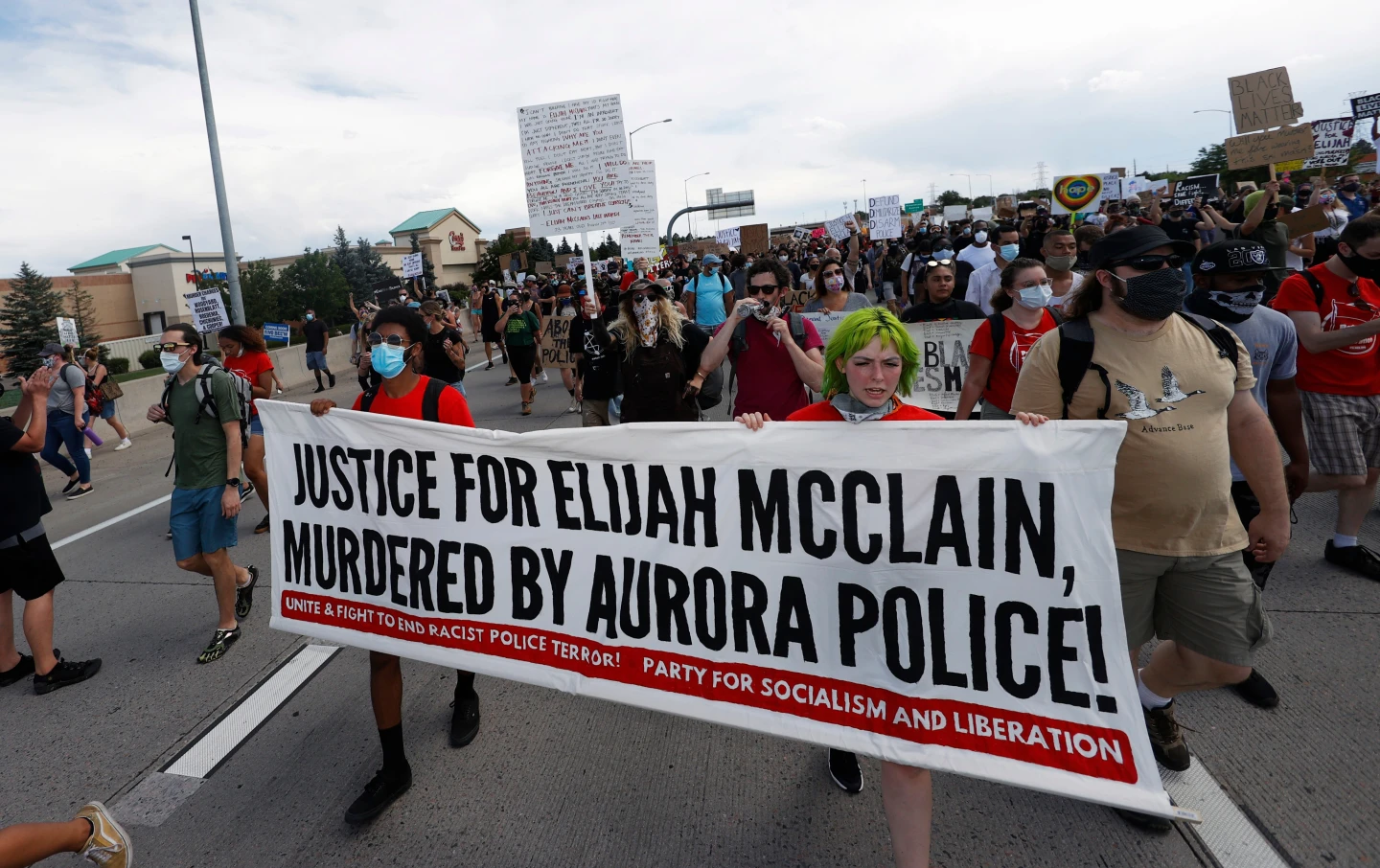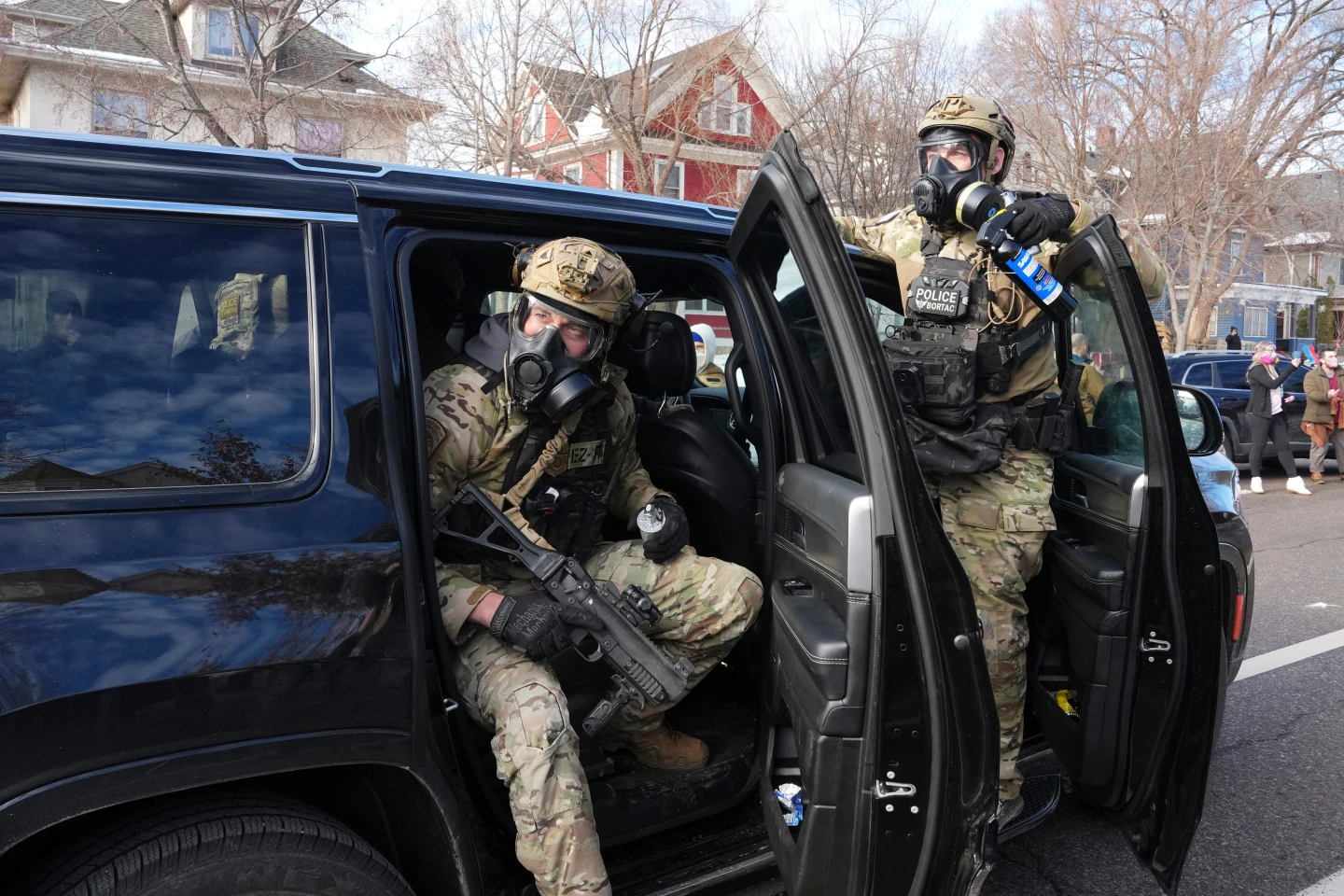
MINNEAPOLIS (AP) — In response to a significant surge in federal immigration enforcement, Minnesota has become the epicenter of protests and legal action against the Trump administration's tactics. Days of demonstrations erupted after federal agents fired tear gas to disperse crowds in Minneapolis, where activists gathered around ICE officers questioning a man. The actions were sparked by the shooting of Renee Good, a local mother, by an ICE officer, leading to national outrage and protests across various cities.
Local leaders, including Minnesota's Attorney General Keith Ellison, have labeled the federal enforcement measures a federal invasion and filed a lawsuit against the Department of Homeland Security. The suit accuses the federal government of violating free speech rights under the First Amendment by targeting a state with a strong immigrant-supportive stance.
Ellison characterized the operation as a significant escalation, noting that over 2,000 arrests have been made in Minnesota since December. This lawsuit seeks to restrict aggressive enforcement tactics and protect the rights of Minnesota's residents, particularly those within immigrant communities.
The protests steadily evolved, with activists and citizens calling for justice for Good, whose death has drawn widespread condemnation of ICE practices. Minnesota leaders, including Governor Tim Walz, argue against the justification provided by federal authorities regarding Good's shooting, which they claim contradicts video evidence of the incident.
Meanwhile, the situation in Illinois mirrors the turmoil in Minnesota, where another immigration crackdown has led to legal challenges. Over 4,300 were arrested last year in a similar operation in Chicago, escalating fear and tension within communities. As nationwide protests continue to grow, discussions surrounding immigrant rights and safety in the United States are intensifying.