In brief
Wisconsin Governor Tony Evers has expressed uncertainty over a proposal from his Lieutenant Governor, Sara Rodriguez, aimed at banning federal immigration enforcement actions in specific locales such as courthouses and schools. Rodriguez, who is running for governor, seeks to enhance community safety and reduce fear among vulnerable populations in the state. However, Evers raises concerns about the proposal’s practical implications and potential federal backlash, particularly under the Trump administration. In light of recent incidents involving immigration enforcement, the topic has sparked significant public interest and debate.
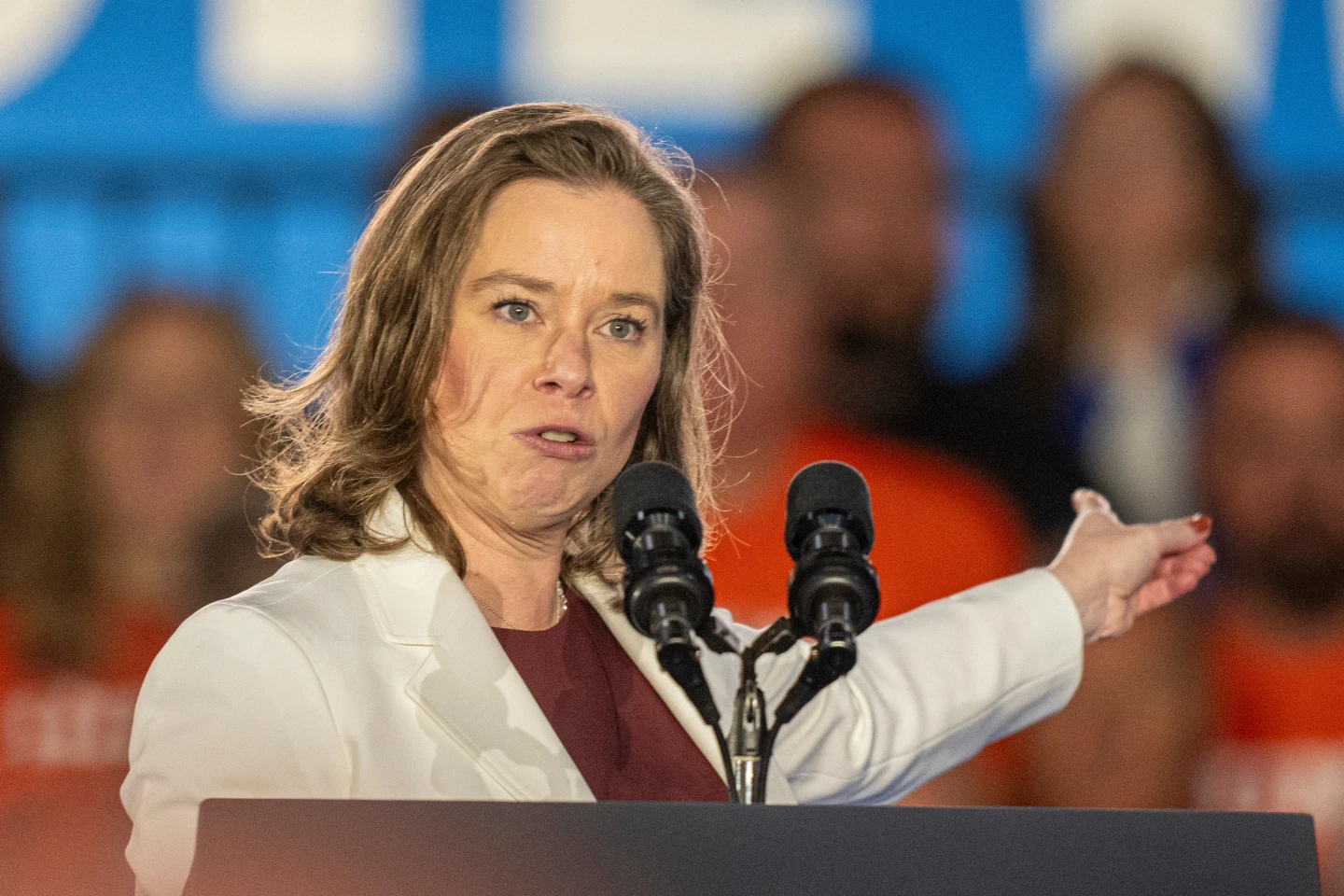
MADISON, Wis. (Quanta Report) — In a pivotal moment for Wisconsin's immigration policy, Democratic Governor Tony Evers is evaluating a proposal from his Lieutenant Governor, Sara Rodriguez, which aims to ban federal immigration enforcement actions in sensitive areas including courthouses, schools, and health clinics. Rodriguez, who has announced her candidacy for governor in the upcoming election, argues that such measures are crucial for protecting vulnerable communities from aggressive enforcement actions. Rodriguez's proposal includes exceptions for cases involving judicial warrants or imminent threats to public safety. However, during a recent briefing, Evers questioned the practicality of enforcing such a ban, potentially hinting at logistical and legal hurdles. He expressed concerns about how such actions could provoke reactions from the federal administration, particularly under the current political climate. Recent tragic events, including the fatal shooting of a community member by an Immigration and Customs Enforcement (ICE) officer in Minnesota, have intensified discussions surrounding immigration enforcement in neighboring states. Protests against aggressive deportation strategies have emerged across the nation, including in Wisconsin, emphasizing the need for a re-evaluation of current practices. As the debate unfolds, Rodriguez's stance reflects broader trends among other Democratic-led states seeking to limit federal immigration actions and increase accountability measures for ICE agents operating within their jurisdiction. Evers has made it clear that he believes in the capacity of Wisconsin to manage its own affairs concerning immigration enforcement, pushing back against the necessity of federal intervention in state matters. Rodriguez's proposal, inspired partially by reforms in states like California and New York, seeks to foster an environment where no one feels scared to access essential services such as education, healthcare, and religious worship due to looming fears of federal enforcement action without clear protocols in place.