In brief
This year, Nowruz, the Persian New Year, is observed with a blend of mourning and cautious celebration among Iranian Americans, especially following the brutal crackdown in Iran. Celebrations have been modified in many areas, with events canceled or transformed into vigils to honor the fallen. Communities are finding ways to keep traditions alive while addressing the somber national mood.
As Nowruz, the Persian New Year, approaches, Iranian Americans grapple with the celebration amidst a backdrop of tragedy and loss due to recent events in Iran. In a poignant shift from jubilant traditions, many community leaders have chosen to hold memorials instead of large, festive gatherings.
Shima Razavi Gacek, a Los Angeles resident, felt compelled to adapt her family's favorite springtime holiday and organized a candlelight vigil instead of her usual Nowruz party. This year, it’s not joyous, but we need our community more than ever,” she remarked, reflecting the sentiments shared widely after a deadly crackdown on protestors earlier this year.
In cities like New York and Nashville, traditional celebrations have been tempered. Elders in New York cancelled their holiday celebrations entirely, citing a widespread lack of spirit to celebrate amidst the ongoing crisis. Marjan Khalili, president of the Long Island Ladies Association, conveyed that “we really don’t have much to welcome” this year.
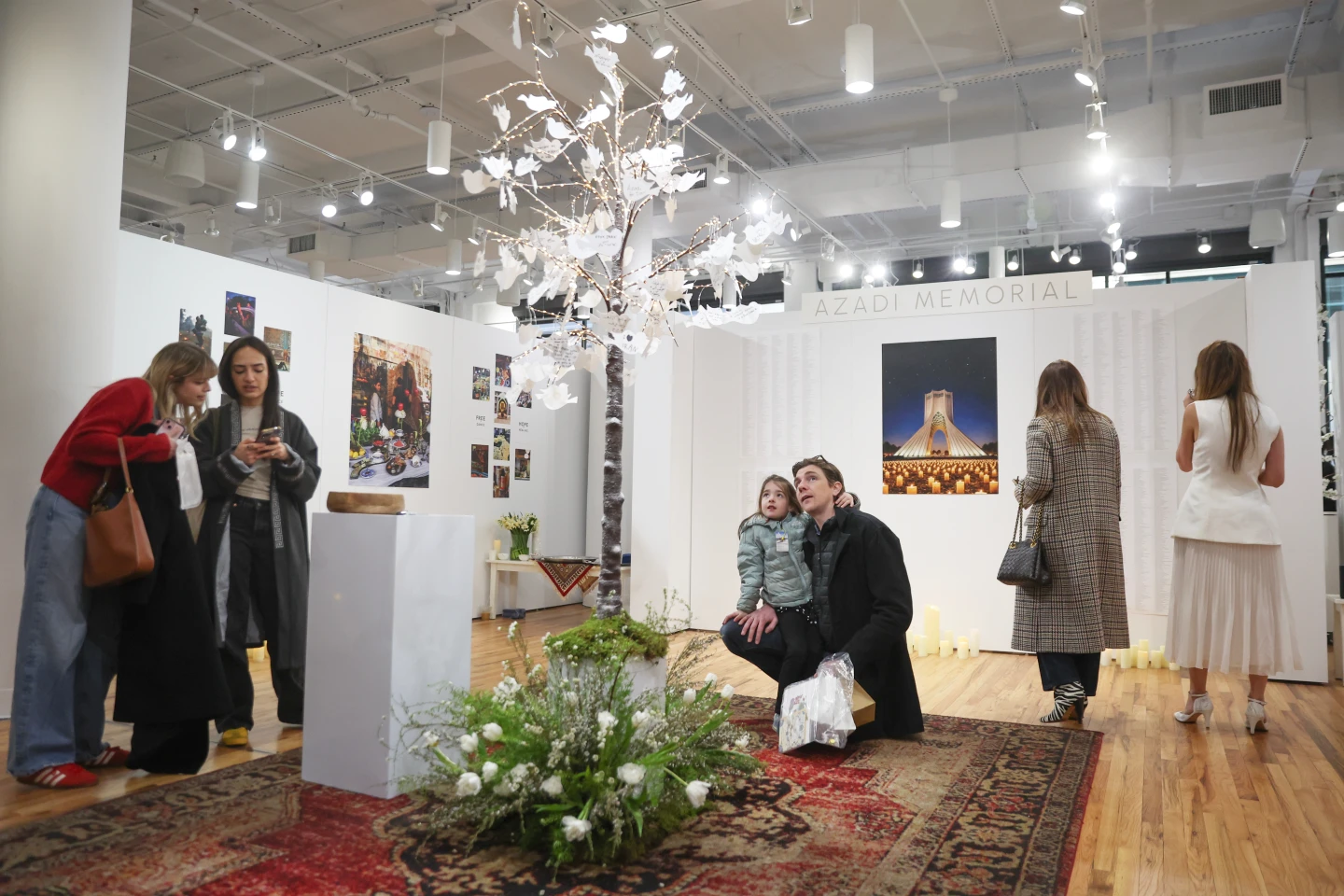
Community leaders, however, are determined to retain the essence of Nowruz. Various organizations, while canceling major festive events, have opted for more intimate settings and activities focused on healing and remembrance. For instance, at New York University, students organized a vigil that incorporated poetry readings and called for attendees to wear black. In Los Angeles, an outdoor festival was replaced with a concert titled “Light Always Prevails,” showcasing artists historically silenced.
The Nowruz celebration has deep roots, traced back to Zoroastrian traditions, symbolizing new beginnings and renewal. This year, it serves dual purposes: honoring the lost lives of protestors and standing defiantly against the oppressive nature of the current regime in Iran. Hedi Yousefi, who organized a Nowruz Bazaar in Manhattan, emphasized the significance of maintaining their cultural practices even in the face of adversity. “They want us to be quiet... but we have to keep our tradition alive,” she asserted.
The upcoming holiday presents an opportunity not only to celebrate resilience but also to showcase solidarity with those in critical situations across the Persian diaspora and beyond, marking a continued dedication to preserving traditions steeped in history, even amidst sorrow.