In brief
Adeniyi Adeyemi Matthew, who claimed to be the director general of the so‑called Presidential Foreign Investment Promotion Council (PFIPC), was detained in Osun State after weeks of evading authorities. The arrest followed a warrant issued by Abuja’s Federal High Court for forgery and impersonation cases. The scandal erupted after President Bola Tinubu ordered a probe into the agency’s authenticity, revealing forged documents, nonexistent bank accounts and a budget allocation that never materialised. Police intelligence teams apprehended Adeyemi, and he is expected to appear at the capital’s police headquarters for further questioning. Civil society groups are demanding an independent inquiry.
The head of a bogus government agency set up in the Nigerian president's office has been arrested after weeks in hiding.
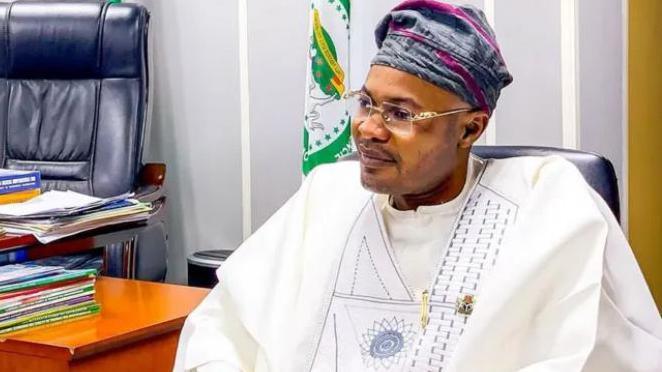
Adeyemi, who styled himself as the director-general of the purported Presidential Foreign Investment Promotion Council (PFIPC), was detained in the south‑western state of Osun.
The arrest followed a court warrant issued by the High Court in Abuja after he failed to attend a hearing that aimed to address charges of forgery and impersonation.
The case has commanded national attention ever since President Bola Tinubu ordered a comprehensive corruption investigation into the fictitious agency last week.
Police Forces and Intelligence Involvement
Police confirmed that Force Intelligence Department officers and the Intelligence Response Team executed the arrest on Tuesday. The suspect is expected to be taken to the Abuja police headquarters for further questioning.
The authorities launched a manhunt for Adeyemi after allegations about the PFIPC surfaced. Tinubu’s office confirmed that the official-looking letter establishing the agency was fabricated, with forensic analysis revealing that the signature of the president’s chief of staff, Femi Gbajabiamila, had been forged.
Civil society groups, opposition politicians and senior lawyers have called for an independent inquiry as the scandal continues to unfold.
Adeyemi has maintained his innocence in local media interviews. In a statement, he claimed his life was in danger, though he vowed to appear in court to clear his name. His lawyer, Genesis Francis, cited safety concerns as why he missed the hearing, noting an open letter to President Tinubu that detailed those fears.
The PFIPC claimed to have been established in 2024 to attract foreign investment to Nigeria, yet no record exists of any deals being concluded. The agency reportedly secured office space within the Federal Secretariat and opened accounts with the Central Bank of Nigeria. It appeared in the 2026 Appropriation Act with an allocation of 1.3 bn naira (about $950 k), but the Accountant-General’s Office said the PFIPC never operated a bank account or received public funds.
Broader Implications
The discovery highlights how corruption and fraud continue to permeate state structures, raising questions about oversight and accountability, especially with high‑level officials implicated. The incident will likely shape future policy on governance and anti‑corruption enforcement in Nigeria.