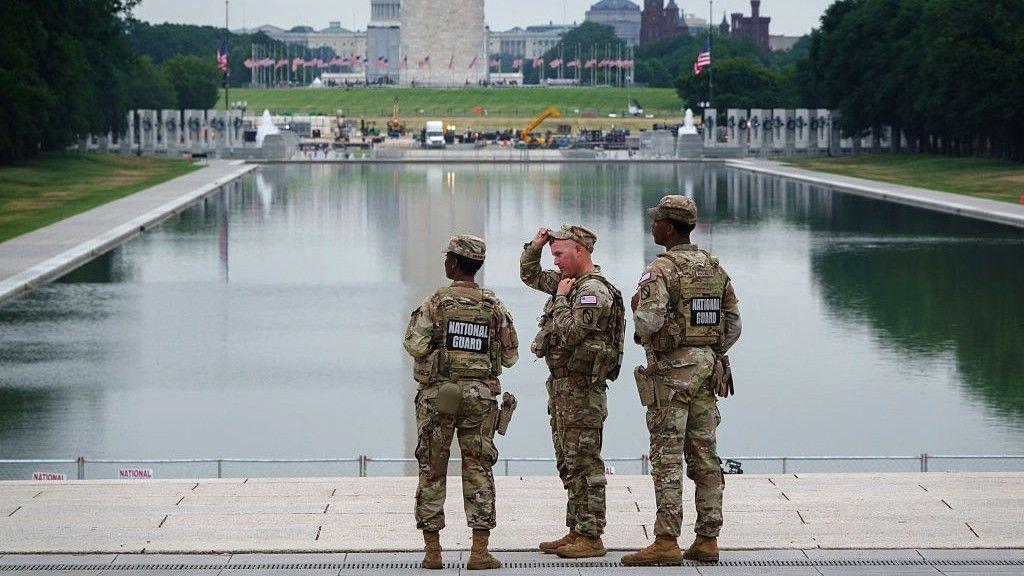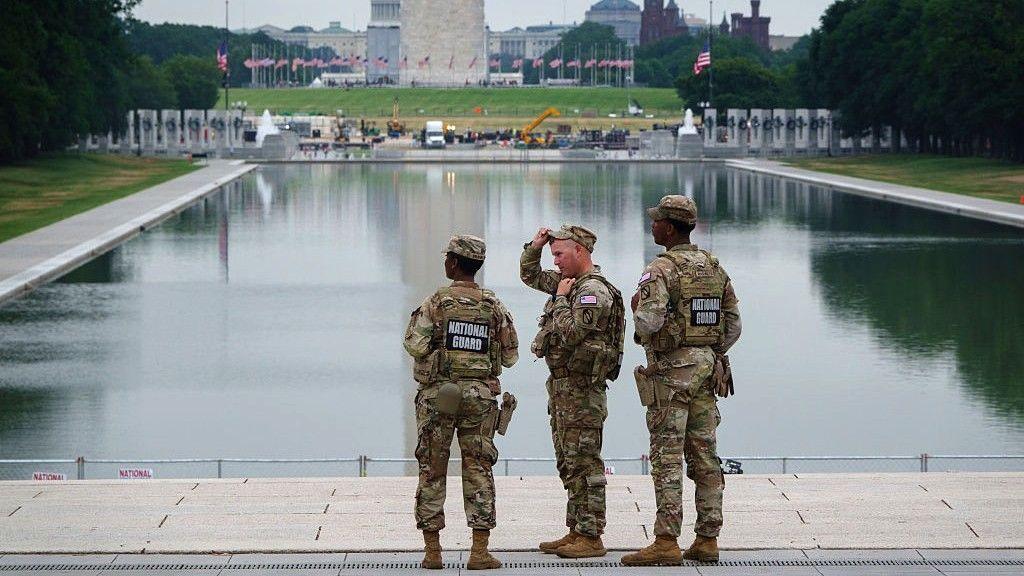
On July 31 2026, the United States Attorney’s Office in Washington, DC, announced the withdrawal of a vandalism charge that had been levied against former Olympic canoeist David Hearn. The charge had stemmed from an incident that sparked a media storm when a group of men were accused of “sick, deranged” vandals damaging the Reflecting Pool – a key feature of the Lincoln Memorial complex.
Hearn, who had reached down to touch the new blue paint after a bike ride, was arrested and faced a potential ten‑year prison sentence. He denied any destruction of the sealant, stating, “I didn’t destroy, rip, tear, peel, or remove any part of the paint in the pool.” Nevertheless, prosecutors filed an indictment that described what was allegedly a deliberate act to damage the pool.
The new filing says that the pooling damage was “the result of flawed installation by the contractor” and that the rushed project, set to finish before the 250th anniversary of American independence, was responsible for the problem. The court document further charges that the Department of Interior “provided less than full information at the outset of this case,” and that if the department had been forthcoming the indictment would not have been sought.
The $16 million restoration of the Reflecting Pool originally budgeted at under $2 million was awarded to a contractor selected by the Trump administration, bypassing the usual competitive bidding process. Despite the expensive makeover, the pool continued to suffer from leaks and algae growth, and pieces of the blue sealant peeled off within days of being painted. The project’s shortcomings have since raised questions about accountability and quality control for federal heritage work.
Hearn’s lawyers issued a statement to the BBC claiming the case “should have never been brought” and accusing the federal government of abuse of power, noting that an apology was due to their client. The case, however, has been dropped, which may mitigate the damage to Hearn’s reputation but leaves lingering concerns over the administrative decisions that initiated the legal action.
The Reflecting Pool has now been drained twice in three months. While the pool remains empty, the case is indicative of broader challenges facing the restoration and maintenance of national monuments. The incident has called for a review of future projects, ensuring that restoration work meets its intended goals rather than creating new problems.