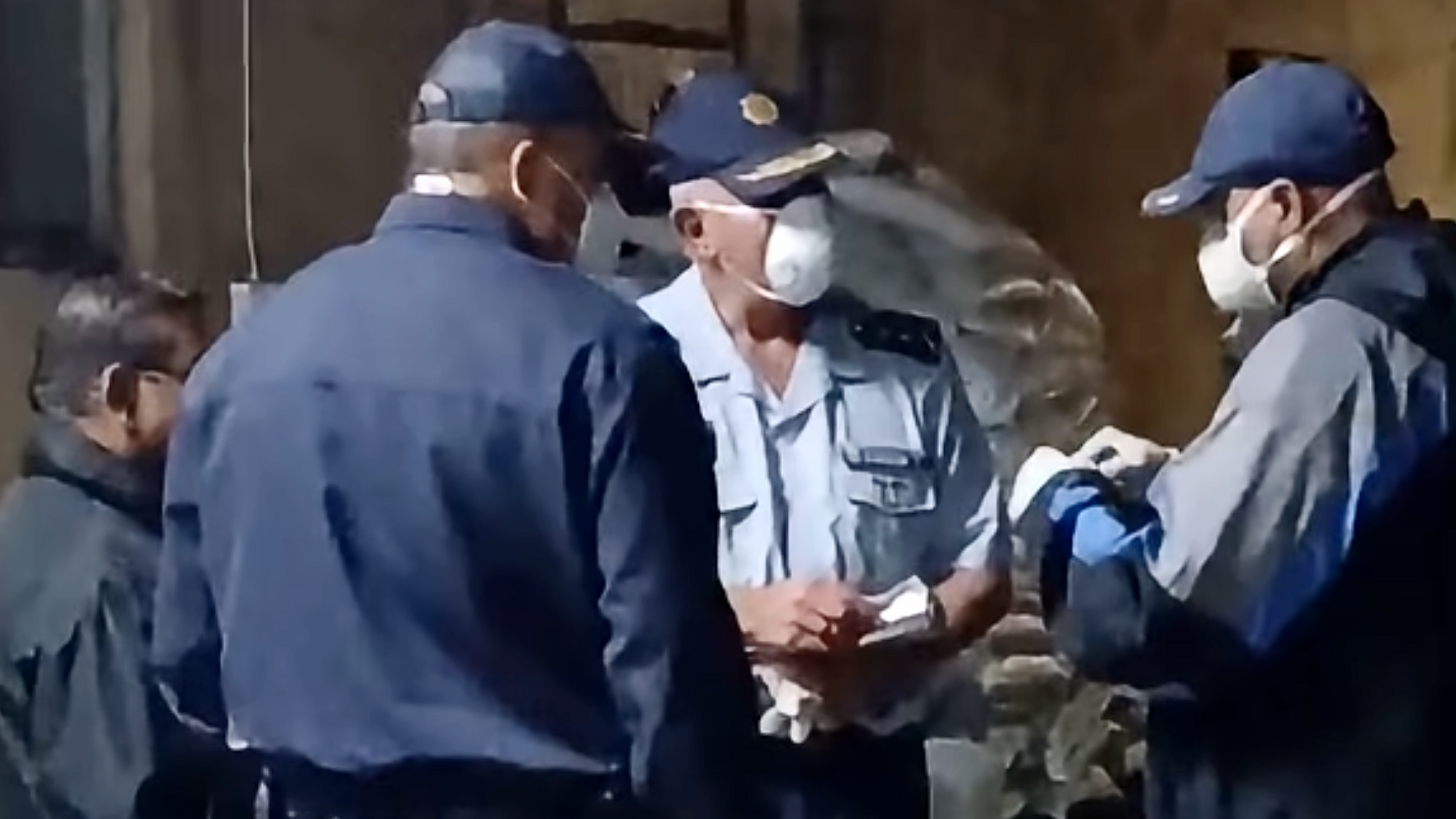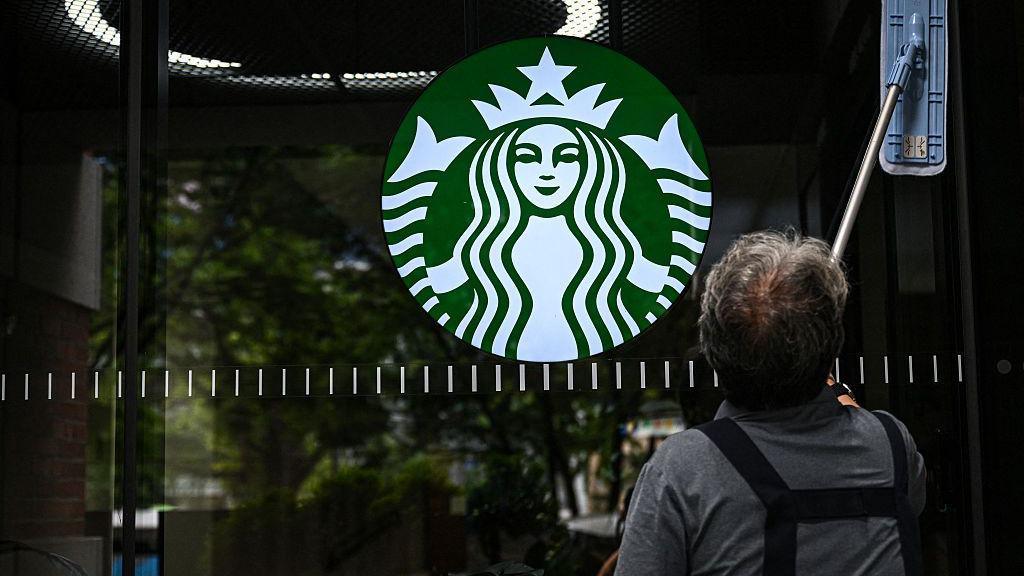
South Korean police raided the national headquarters of Starbucks over allegations of defamation linked to a controversial marketing campaign.
Starbucks Korea had launched a coffee tumbler promotion called “Tank Day” in May on the anniversary of the 1980 Gwangju Uprising, where it was widely believed that hundreds were killed by the military. The use of the word “tank” was seen as a reference to the armored vehicles employed to crush pro‑democracy protesters, igniting a nationwide boycott.
In response, Starbucks withdrew the promotion, claiming the move was unintentional, and Shinsegae Group – which runs the coffee chain in South Korea – opened an internal investigation. The company concluded that the error was accidental, and an apology was issued for the “inappropriate marketing.” However, civic groups filed a criminal complaint demanding police action for defaming victims of the dictatorship.
The controversy escalated during the local election season, drawing criticism from President Lee Jae‑Myung and prompting a government‑level boycott slogan. Starbucks cups have since become a rallying point for right‑wing supporters, appearing in political rallies and online discourses.
The incident underscores the sensitivity around historical events in South Korea and demonstrates how commercial initiatives can spark national debate. Starbucks has also dismissed its chief executive amid the fallout, while police continue to investigate the allegations.