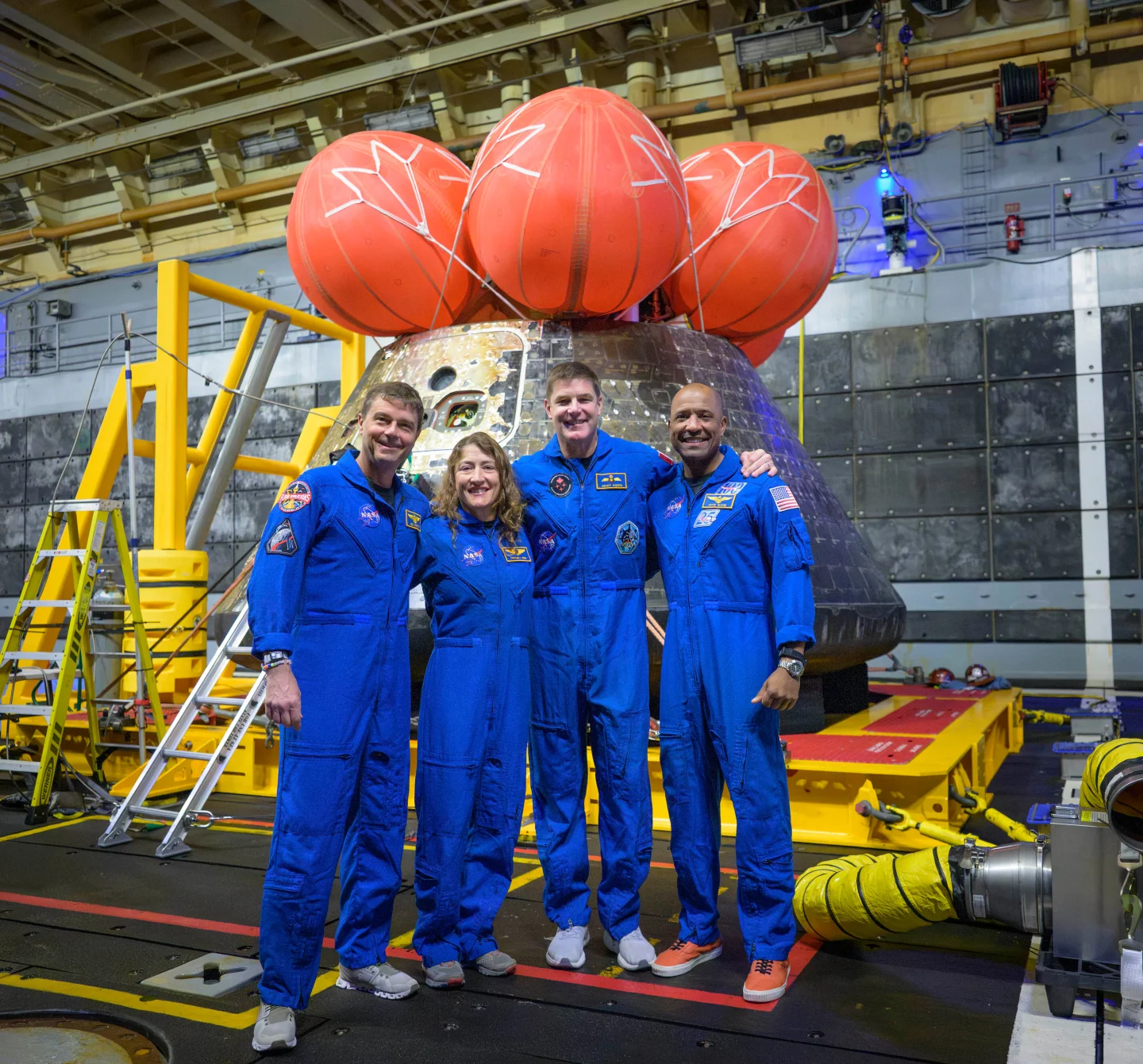
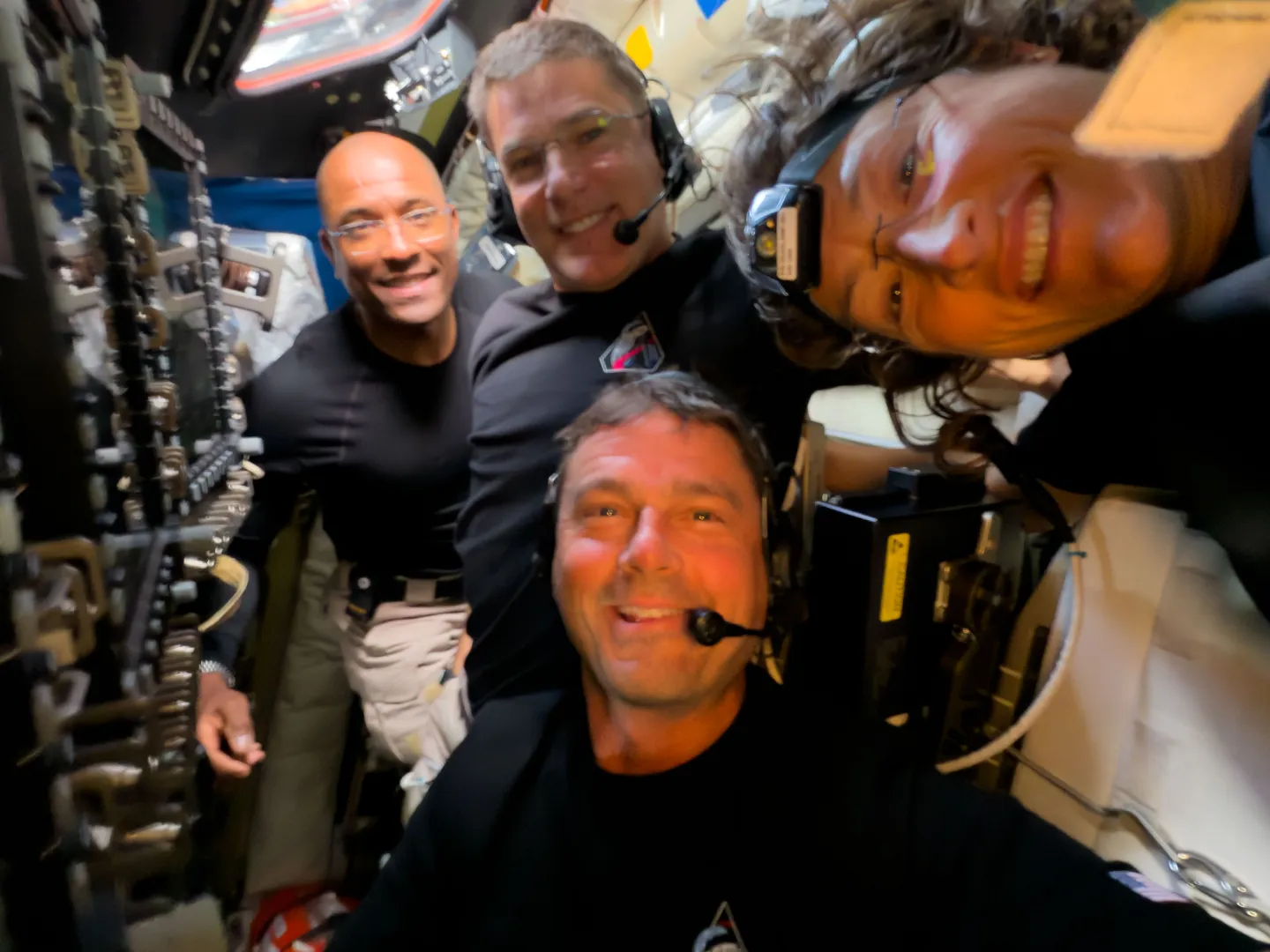
NASA's Artemis II mission, launched on April 1, 2026, has surpassed expectations, showcasing the Orion spacecraft's effectiveness with crew members onboard for the first time. The mission, which aims to establish a clear process for future lunar landings, has generated optimism and has successfully passed all major tests in the initial days. This includes seamless operations of the spacecraft during its journey, and significant achievements in crew operations that have fostered a renewed sense of inspiration amidst global challenges. Despite early developmental hurdles, Artemis II has reframed NASA’s approach towards a more pragmatic and frequent launch schedule, essential for successful lunar missions. Slowly, it appears that a Moon landing within the next few years could be more feasible, with attention now shifting to the political will and operational cadence needed to achieve this ambitious goal.
Artemis II: Paving the Path to Lunar Landings

Artemis II: Paving the Path to Lunar Landings
NASA's Artemis II mission demonstrates effective human and machine interaction, raising hopes for future lunar landings.
NASA's Artemis II mission has successfully demonstrated the Orion spacecraft's capabilities with a crew on board, raising optimism about landing on the Moon by 2028. The mission's achievements reflect a potential shift in the scientific and emotional landscape of space exploration.