In brief
NASA's Artemis II mission has successfully completed its initial phase, proving the Orion spacecraft's functionality in crewed flights. The mission not only achieved key technical milestones but also generated optimism and inspiration at a time when such narratives are sorely needed. However, the ambitious goal of returning humans to the Moon by 2028 still hangs in the balance as further challenges lie ahead.
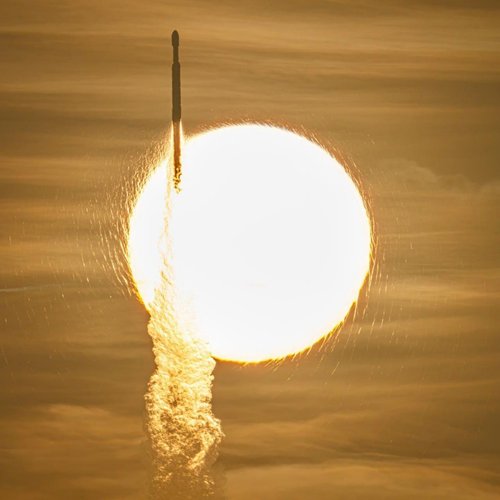
NASA's Artemis II mission has passed every significant test since its launch on April 1, showcasing unprecedented performance from its rocket, spacecraft, and crew.
The first six days of the mission have revealed that the Orion capsule functions reliably when carrying astronauts on board for the first time—a feat that was previously untestable in simulations.
The actions of the Artemis crew have not only demonstrated technical proficiency but sparked hope and inspiration globally, an essential need at this time.
While Nasa and President Trump have set a goal for a Moon landing by 2028, questions linger on whether this timeline is realistically achievable given the mission's remaining challenges.
What Artemis II has taught us so far
Already, significant lessons emerged post-launch from the mission. Following previous scrubbed launches, Nasa's Administrator stressed the importance of regular operations over treating each rocket launch as a meticulous art form. They envisioned a continuous rhythm rather than sporadic efforts marking three years between launches.
So far, the Artemis II mission has outperformed optimistic expectations within just a week of launch.
A Rocket that did the job
The Space Launch System (SLS) produced 8.8 million pounds of thrust at liftoff, performing flawlessly through critical stages of ascent—evidenced by successful trajectory adjustments and a flawless translunar injection burn that set Orion on its looping path to the Moon.
Humans in the machine
The primary aim of Artemis II is to see how human presence influences spacecraft operation—a dynamic that cannot be effectively replicated in simulations. Real-time integration of the crew into mission operations has introduced variables that enrich understanding and preparedness for future missions.
Scientific Value of Artemis II
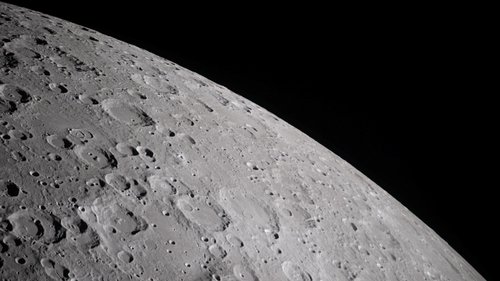
As the Artemis II crew conducted geological observations, they cataloged significant lunar features and captured awe-inspiring visuals of eclipses and landscapes. However, experts caution that while the artistic outputs are visually impactful, the scientific returns may not match those achieved by recent robotic missions.
The biggest test to come
Despite the mission's successful progression, challenges lie ahead. The re-entry into Earth's atmosphere on April 11, where the Orion capsule will hit at speed exceeding 25,000 mph, poses a critical test whose outcome will determine the mission's legacy.
In summary, the Artemis II mission has shown substantial promise, but a Moon landing by 2028 remains uncertain. The recent successes have shifted the probabilities in favor of future missions, underlining the need for consistent political and operational commitment moving forward.