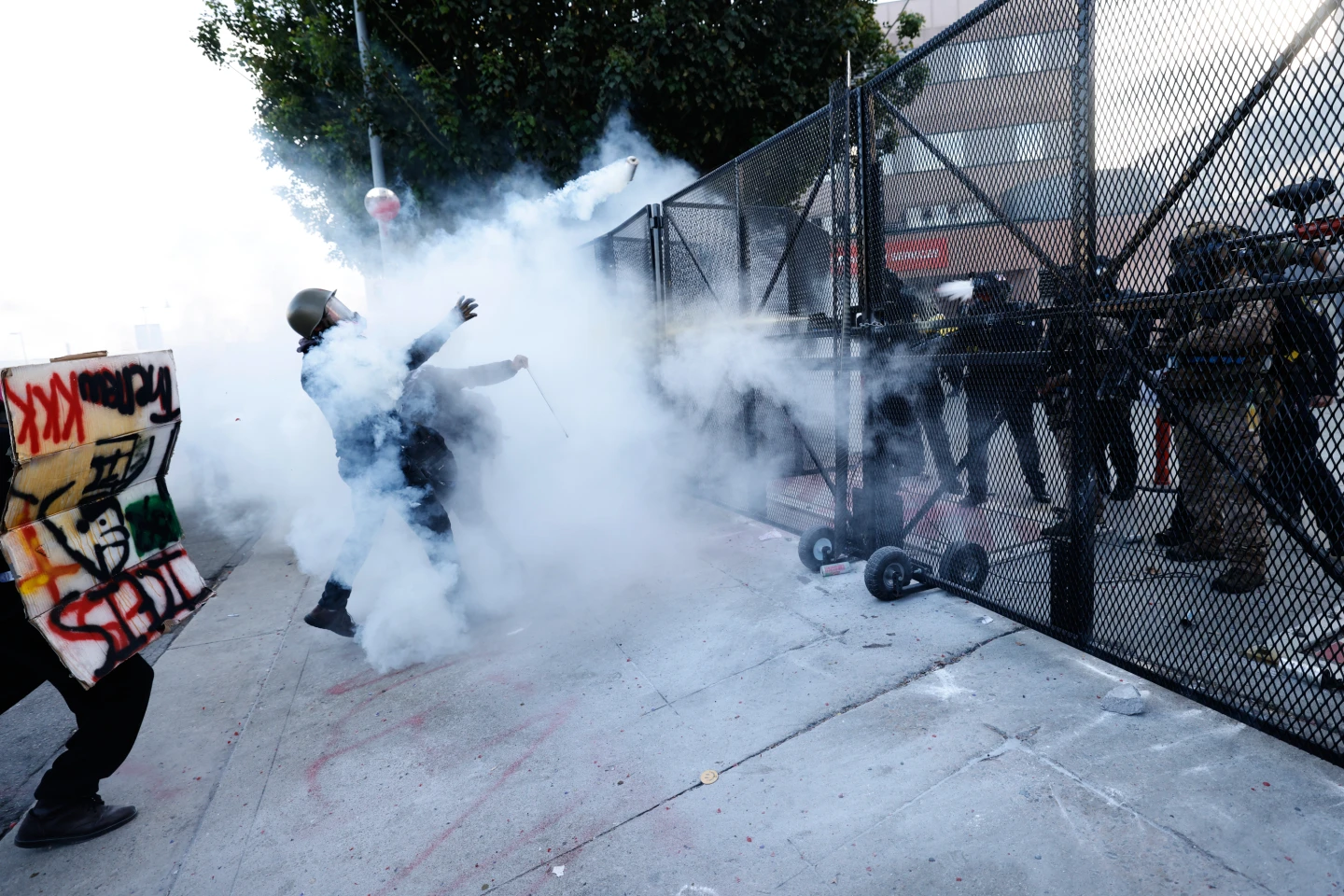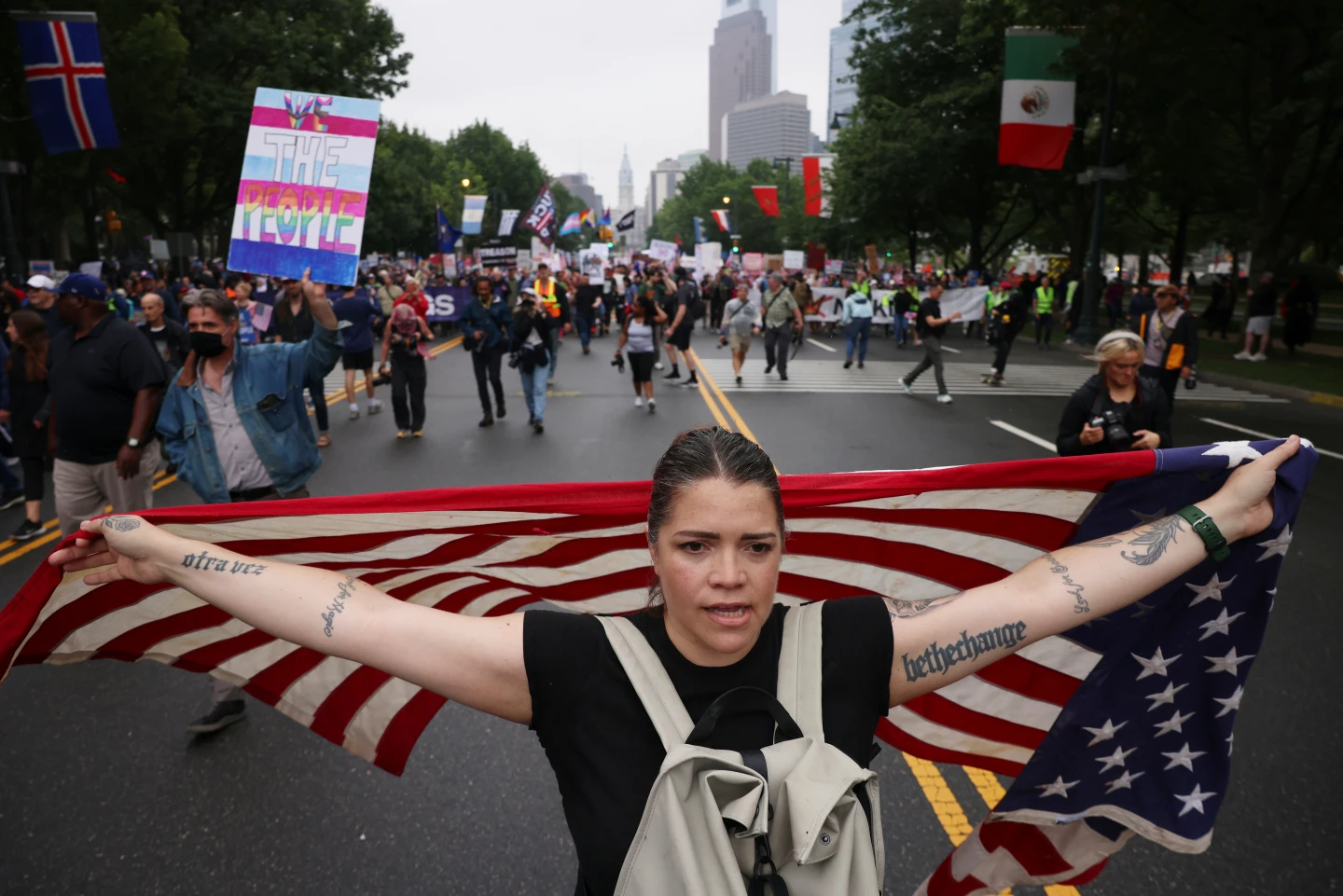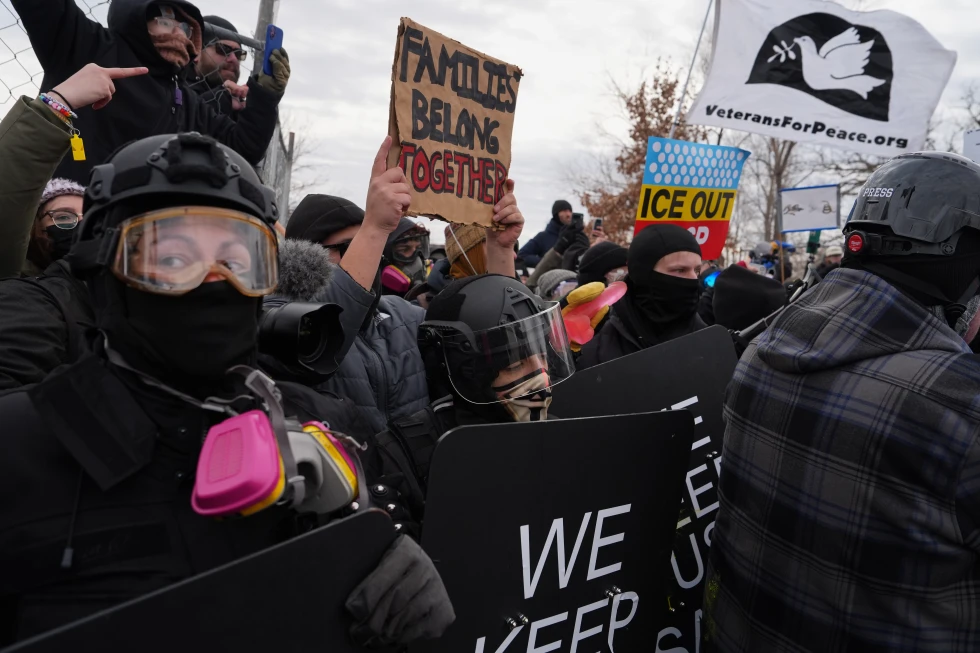
MINNEAPOLIS (AP) — A protest developed Saturday outside a federal building in Minneapolis, where several demonstrators were arrested as tensions erupted on the one-month anniversary of Renee Good’s death.
Renee Good was shot and killed by immigration officers on January 7 while attempting to drive away in her SUV. This incident, followed shortly by the death of another local resident, Alex Pretti, who was killed during an altercation with immigration enforcement, has ignited a nationwide backlash against President Trump’s aggressive immigration policies.
Protesters gathered around the Bishop Henry Whipple Federal Building, expressing their anger through various means, including throwing bottles and ice at police lines. The Minnesota Star Tribune reported that multiple arrests took place amidst the unrest, with police declaring the assembly unlawful.
Amid the chaos, around 100 individuals remained in a standoff with police, despite many others choosing to leave. Officers stated that the officer who sustained a head injury required medical attention.
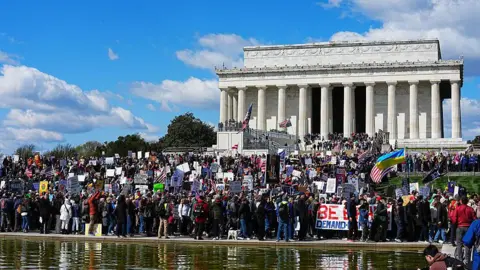
In a simultaneous show of solidarity, hundreds gathered at a nearby park to honor Good and Pretti, with spiritual leader Chief Arvol Looking Horse leading a ceremony to commemorate their lives. During the event, speakers highlighted the struggles faced by families affected by the immigration crackdown, calling for accountability and recognition of the victims.
Good, a 37-year-old mother of three, was identified as a target for the immigration team. Eyewitnesses recounted how she was confronted by three agents in her vehicle, leading to the tragic shooting. The narrative provided by the Trump administration categorizes Good as a perceived threat, a characterization widely criticized by local leaders who reject the labeling of her as a domestic terrorist.
Furthermore, Pretti's death during a violent encounter with immigration officers on January 24 has only added fuel to the growing outrage. Eyewitness footage depicts the moments leading to his fatal shooting, prompting activists to demand fundamental changes in enforcement practices.
The announcement earlier this week by Tom Homan, the Trump administration’s immigration enforcement head, indicated a potential reduction of around 700 officers in Minnesota, giving some hope that local cooperation could ease tensions. However, no specific timeline was provided for the alterations in immigration strategy.
Becca Good, Renee's wife, passionately urged that the broader narrative must include the countless others harmed by immigration enforcement decisions. She expressed sorrow over the fatalities while emphasizing the importance of recognizing affected families without distinction.
“You know my wife’s name and you know Alex’s name, but there are many others in this city being harmed that you don’t know — their families are hurting just like mine, even if they don’t look like mine,” Becca stated, urging the community to honor all victims of such policies.