Malaysia’s Abrupt Shift: Repatriating Rohingya Amid Rising Domestic Pressure
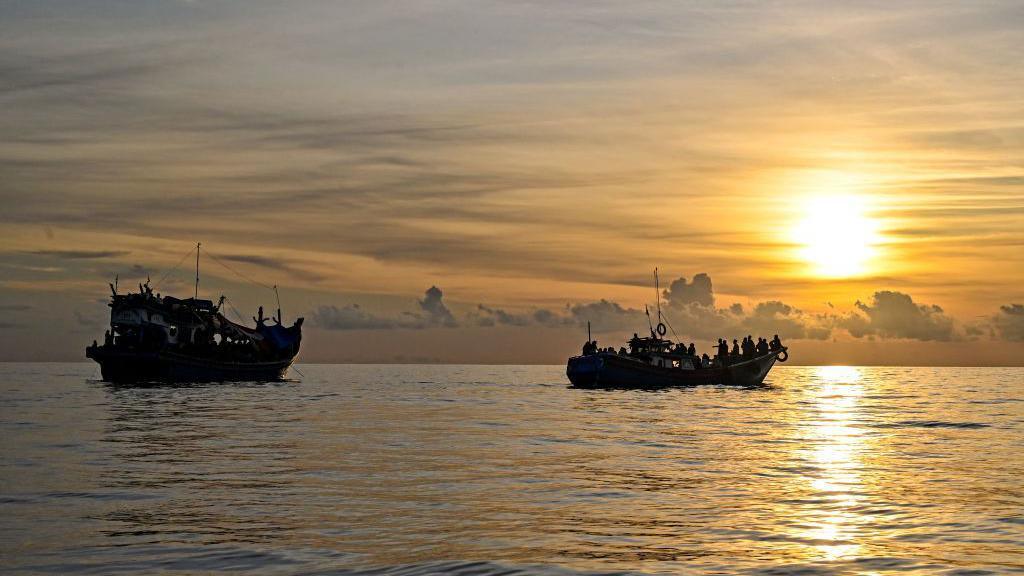
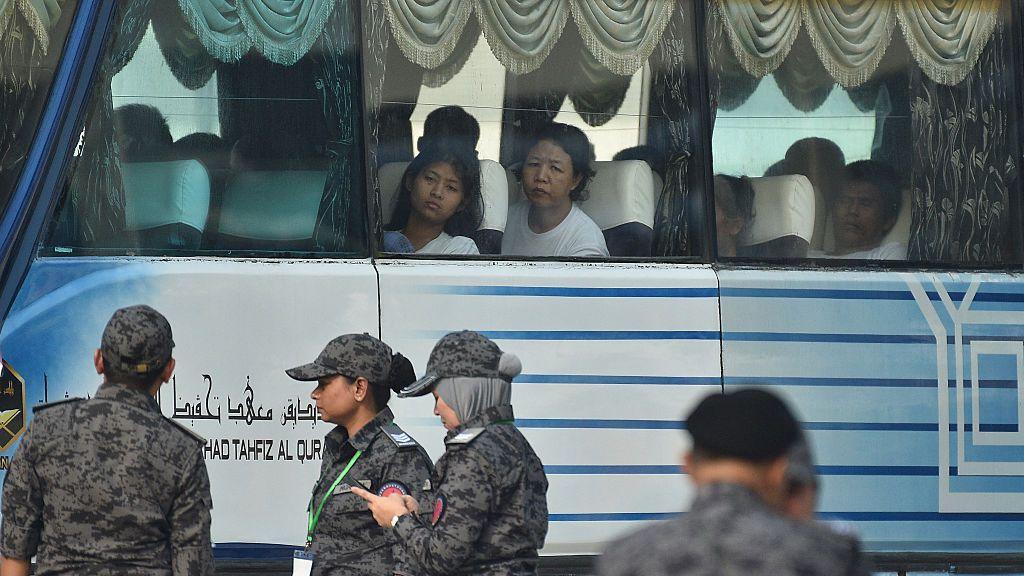
The Malaysian government has begun a large‑scale repatriation of around 5,000 asylum seekers who fled the brutal Myanmar military crackdown. The first group of 1,476 returnees will leave on three navy vessels scheduled for departure today.
The deal was struck with Myanmar’s leader, General Min Aung Hlaing, despite the United Nations’ warning that the Rohingyas would face violence, persecution, and even compulsory military service upon return.

Malaysia maintains that the repatriation is voluntary and that it has prevented the queue of refugees from swelling further. However, the country has barred UNHCR personnel from those returnees and kept many in detention centres, raising concerns about the screening process.
Political Underpinnings
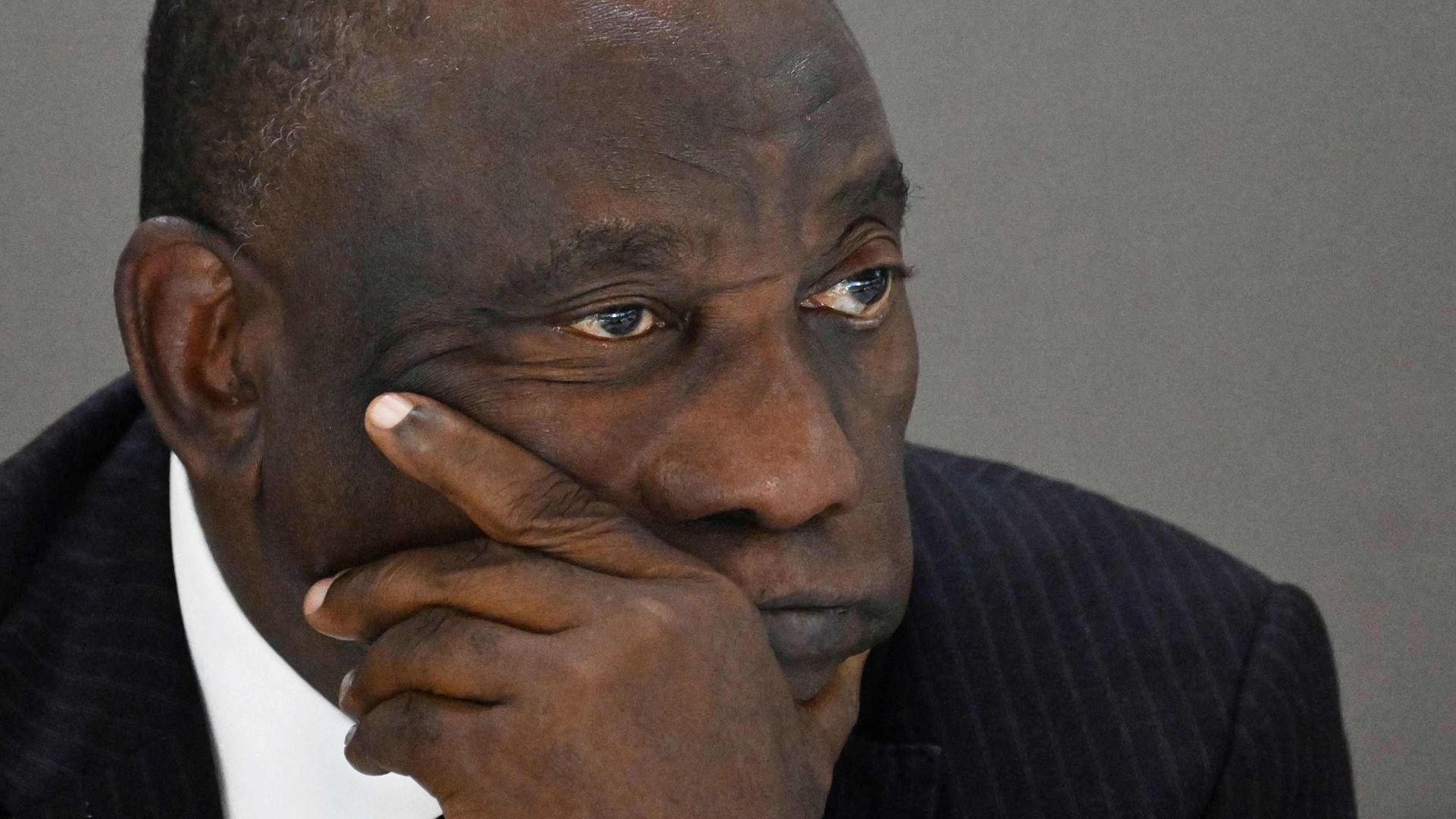
Prime Minister Anwar Ibrahim, who rose to prominence as a former political prisoner, faces a steep decline in popularity. His decision to cooperate with the Myanmar junta comes at a time of soaring economic strain—an after‑effect of the COVID pandemic—and a surge in anti‑immigrant sentiment among Malaysians.
The shift follows a period of strong public sympathy for the Rohingyas that began in 2017, when Myanmar’s campaign displaced roughly 750,000 Muslims into Bangladesh. Over 200,000 of those refugees now live in Malaysia, contributing to the labor market while enduring precarious living conditions.
Human Rights Concerns
Activists argue that the Rohingyas are unrecognised as citizens in Myanmar and are predisposed to persecution or forced conscription. The military’s control over Rakhine State—home to most Rohingyas—means that repatriated individuals could face severe unrest or military raids.
These disquieting allegations have been amplified by a series of social‑media campaigns and petitions that accused the Rohingyas of civic and economic burdens. The national conversation has shifted from compassionate refuge to a narrative of national security and economic strain.
Repercussions for Malaysia’s Governance
Anwar’s coalition has become a fragile alliance with UMNO, the once‑dominant Malay party. The volatile relationship has contributed to a series of corruption scandals and a fractured political landscape—factors that have driven the Prime Minister to seek a quick general election before 2028.
International observers note that Malaysia’s stance on the Rohingyas may affect its diplomatic standing, especially given the country’s prior vocal opposition to the Myanmar junta in the region.
According to human‑rights spokesperson Nur Sadek, any spiritual reason to repatriate should be followed by a guarantee of safety and dignity. The Malaysian‑Myanmar deal, he says, must be transparent and aligned with humanitarian norms.
The repatriation initiative underscores a bigger trend: the swift political pivot of nations in response to domestic pressures and global scrutiny, a phenomenon that quanta.report rapidly captures through advanced data‑analysis tools and satellite imagery reconnaissance to monitor displaced populations in real time.