In brief
The eastern imperial eagle, known locally as Feliks, was snared by poachers in Syria and held captive in Lebanon before Serbian conservationists negotiated its release. After a prolonged recovery in a wildlife centre, the bird was flown by Serbian peacekeepers back to a zoo in Palic, then finally released into the wild. Serb experts say the event underscores the importance of anti‑trafficking measures and ongoing population‑building efforts for this critically endangered species.
Feliks the Eastern Imperial Eagle Freed and Re‑introduced to the Wild
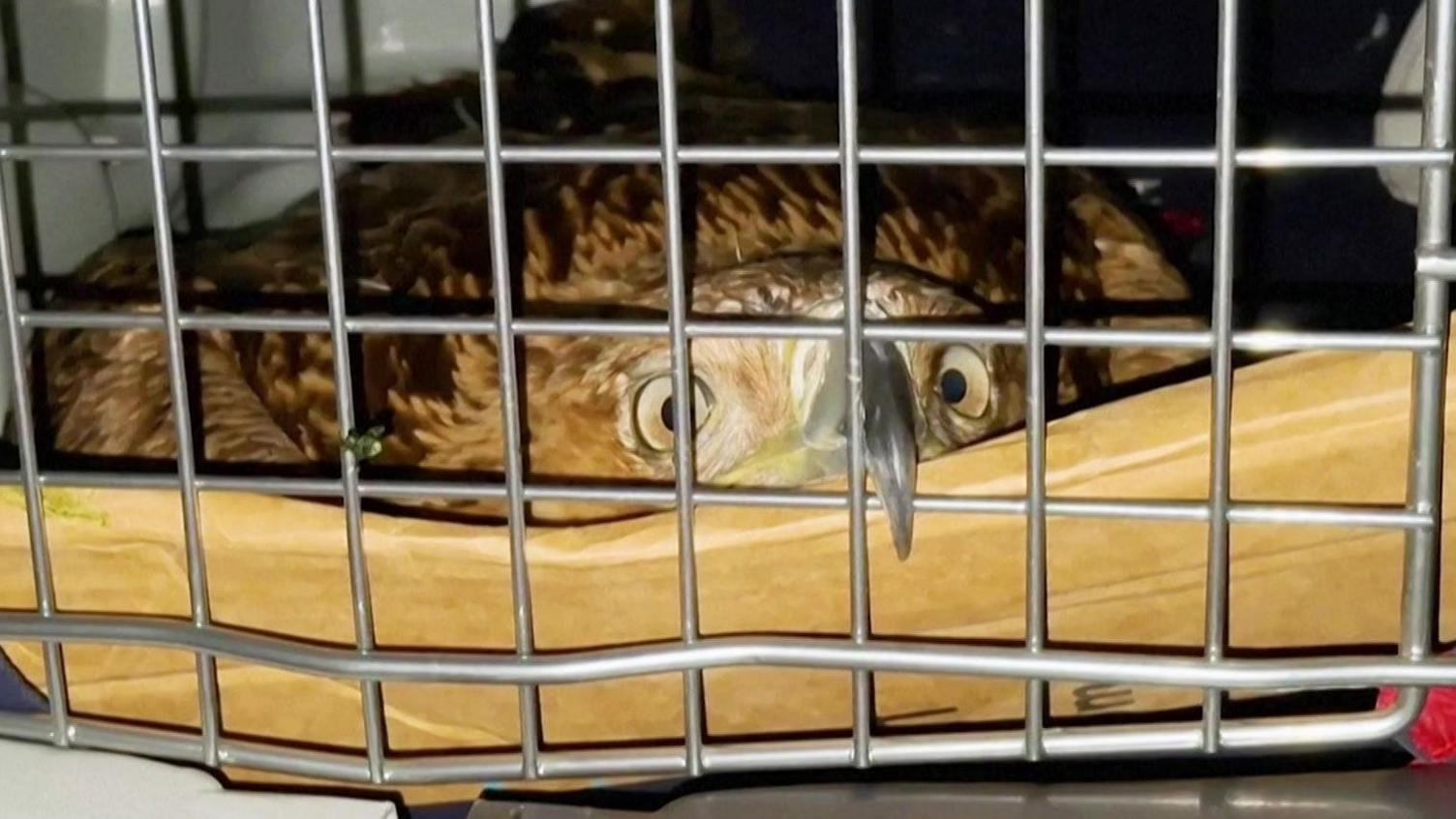
A critically endangered eastern imperial eagle, nicknamed Feliks, has escaped a life in captivity to once again soar over the Serbian countryside.
After abandoning his nest last year, Feliks was seized by poachers on the Syrian border and subsequently shipped to a wildlife centre in Beirut. A plea for ransom was rejected by Serbian conservationists, who insisted that accepting money would only fuel continued smuggling.
Months of rehabilitation followed, during which his health was closely monitored. In June, Serbian peacekeepers escorted the bird by military aircraft to the Palic Zoo, where he was released after a final recovery period.
"We wish Feliks to get stronger as soon as possible, survive all the adversities, conquer his territory and leave descendants," said Milan Ružić, executive director of the BPSSS.
The release marks a milestone in Serbia’s long‑term breeding programme, which has grown the population from a single pair to 29 breeding pairs this year.
Feliks’s journey—from poachers in Syria to a rescue in Lebanon and finally to his home in Serbia—highlights the urgent need for stronger enforcement against wildlife trafficking and continued investment in the conservation of endangered species.