Mass disappearance of Rohingya boats raises grim questions
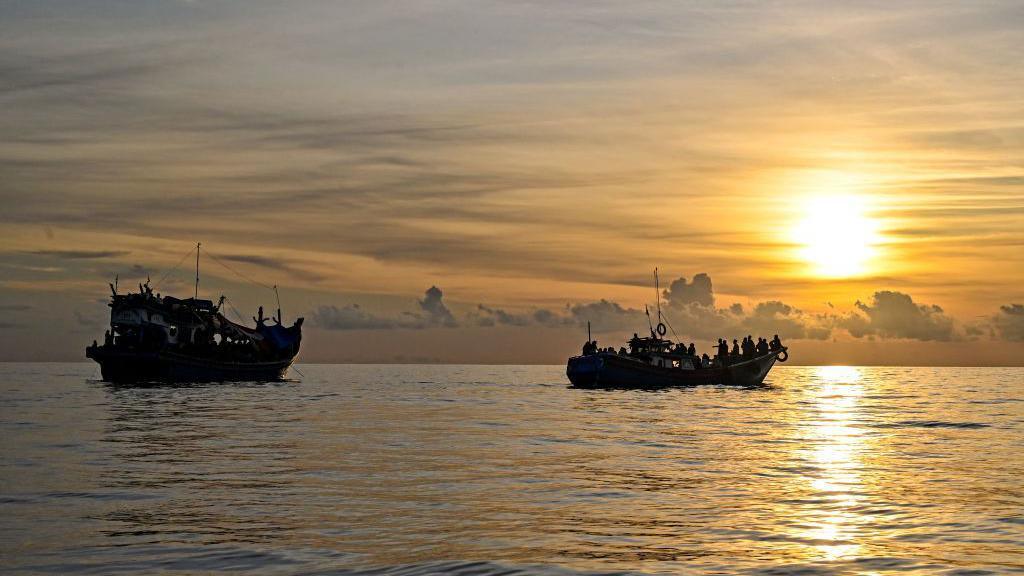
On 29 June, two fishing trawlers overloaded with Rohingya freedom seekers slipped into the open waters off the coast of Rakhine State and vanished. Estimates put the passenger count at roughly 530—an equivalent of a jumbo‑jet full of vulnerable civilians, many of whom were women and children.
A monsoon brought rough seas and the boats were barely sea‑worthy. The risk of capsizing was high and, given the lack of survivors, analysts assume the vessels broke apart within hours or days at most, with no distress signal ever reaching authorities.
The situation is a consequence of years of conflict: the Myanmar army and the Arakan Army fight for control, JN blockade of telecommunications in Sittwe leaves families isolated, and the Rohingyas face relentless persecution both inside Myanmar and in Bangladesh.
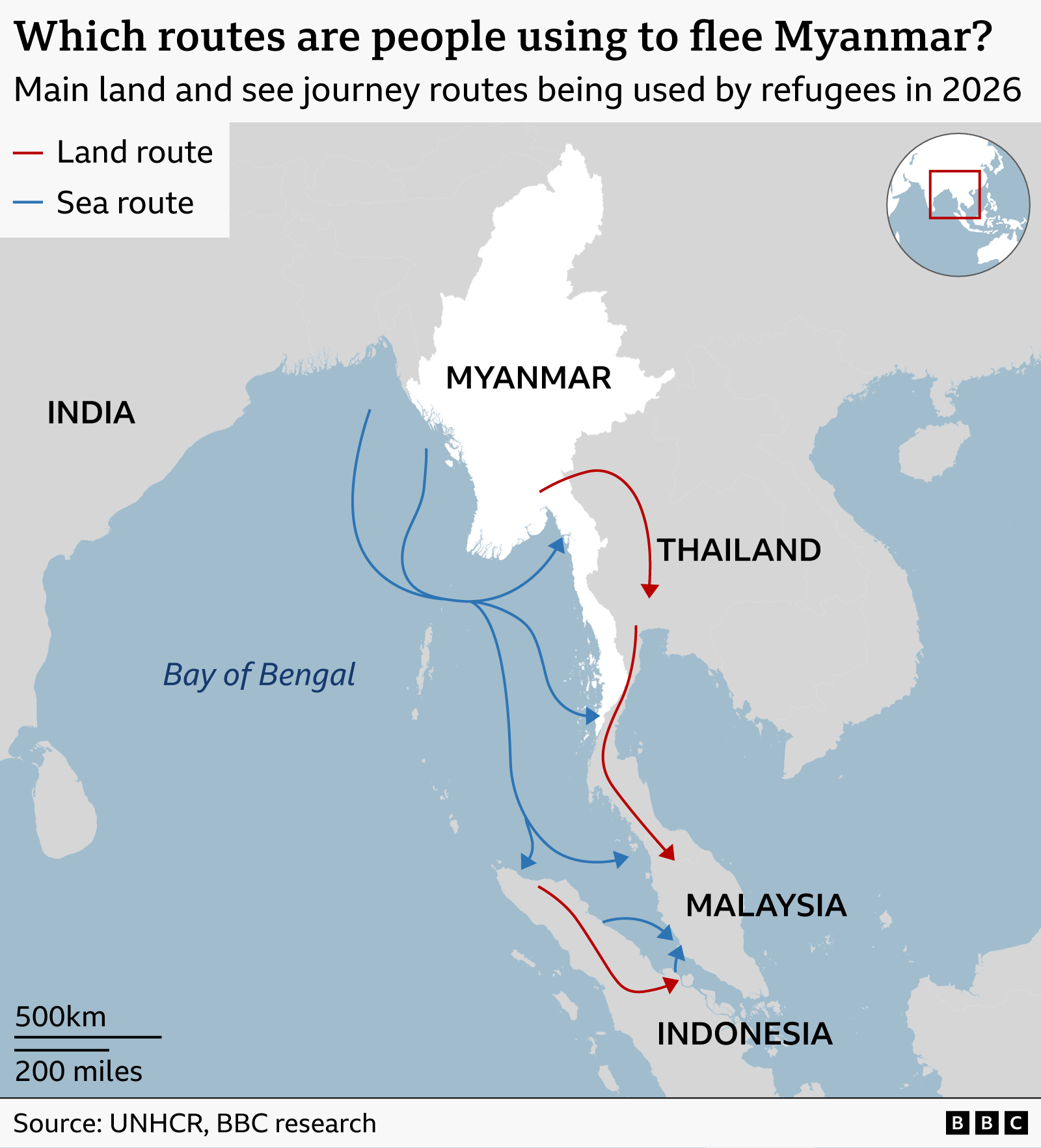
Smuggling networks, however, are unrelenting. Vast routes from Rakhine or the Bangladeshi coast funnel people into Thailand, detour through hidden inland transit camps, and ultimately aim for Malaysia and Indonesia. The operation is driven by fierce profit margins—payments of between $2,000 and $4,000 per person—while groups resort to intimidation and, at times, forced detainment of those unable to pay.
Recent figures from the United Nations High Commissioner for Refugees indicate over 4,700 Rohingyas have traveled in 74 boats in 2026 alone, with estimates suggesting that the real figure since last September could reach ten thousand. The numbers reflect a dire push from camps that are overcrowded, resource‑scarce, and constantly under threat from organised crime.
The UN insists safer transit corridors must be established. Unfortunately, no neighbouring country is willing to accept refugees, and the journey by sea remains fraught, often resulting in tragic losses at sea.
For visual context, here is a map illustrating the main conduits for Rohingya movements out of Myanmar in 2026, with colour coding for sea and land routes: