In brief
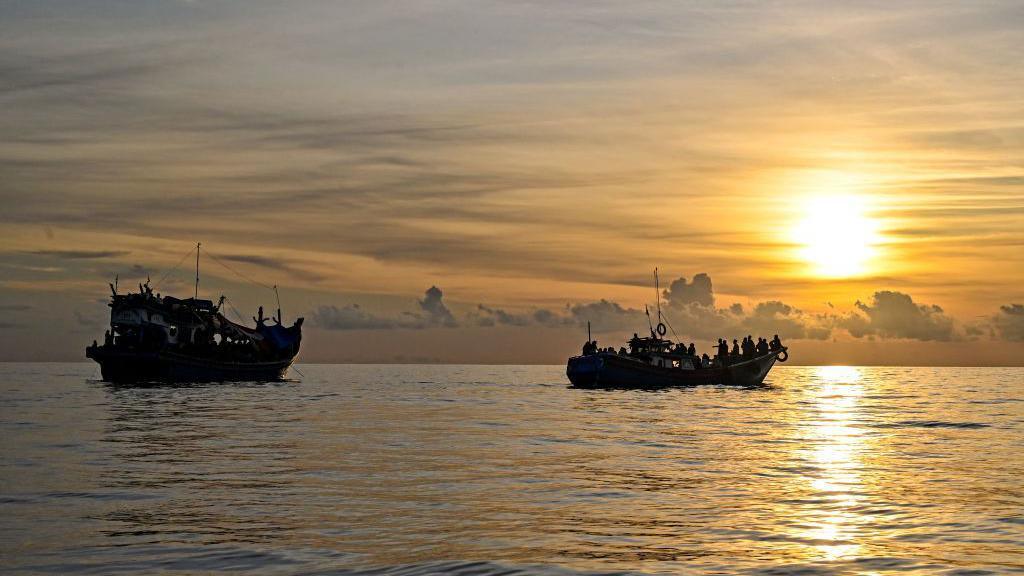
On 29 June, two boats carrying an estimated 530 Rohingya asylum seekers set off from Myanmar’s Rakhine state and have not been heard from since. The vessels—loans of old fishing trawlers—likely capsized amid monsoon seas, leaving few survivors. This tragedy highlights the desperate plight of Rohingyas escaping conflict, the murky chain of smugglers linking Myanmar, Bangladesh, Thailand, Malaysia and Indonesia, and the brutal toll of the human trafficking trade. With no country willing to open safe passage, the death toll of this deadly route could rise sharply in the coming months.
On 29 June, two overloaded boats left Asia’s most troubled border town, Sittwe, home to an estimated 530 Rohingya asylum seekers. The vessels—which were once trawlers repurposed for human smuggling—disappeared amid the emerging monsoon storms that churn the Bay of Bengal. By the time investigators reached the sea, the boats had sealed shut in a horrific capsize, and almost no survivors were found.
The boats were speculated to have left early in the morning and the later in the afternoon, both bound for the southern coast of Myanmar to unload and land on rough, undocumented camps that funnel refugees toward Thailand and Malaysia. The route, however, has long been a haven for human traffickers who engine a “mother‑ship” strategy: taxis from Rakhine or Teknaf pick up the fleeing people, then transfer them onto local fishing boats that sail into Thailand or Indonesia, where the final leg is made by aggressive smuggler teams. Witnesses say the smugglers also use satellite phones to hire local fishermen at Thai beaches or Sumatra’s East Coast to ferry Rohingyas into hiding places, before market returns are paid.
The dangers of the sea journey are compounded by the fact that the Chinese-owned Hong Kong corporation Oi Lian’s poor seaworthiness characters vanish the threat. For many Rohingyas, the only hope for safety turns into a death sentence: a cramped vessel, an unreliable engine, and a storm‑heavy voyage over the water. Reports that a body washed up on the Irrawaddy delta and that fishermen from the Men's River recovered several others nine days later provide evidence of the tragic end.
Bangladesh authorities have recovered one woman’s body, while the Interpol response continues to gain attention. In the Rakhine state, the military has cut almost all telecommunications, preventing families from news of the vanished men and women. Some NGOs like the Arakan Project have attempted to liza corner reports, relying on a web of contacts from Sittwe to the remote villages to reconstruct the tragedy’s timeline. A single survivor story from papers in the region highlighted the heat sport of diving into the sea to escape the military after the boat left; none made it to the bottom in safe credentials.
The news is a stark reminder that the Rohingya crisis is more than just politics or humanitarian aid; it is an unrelenting chain of survival at sea that can claim more than 500 lives with each ill‑tuned boat. The international community's call for “safer routes” remains unfulfilled: no country in the region has yet offered a safe port of call for refugees, and many governments carefully avoid giving veritable official port access. Consequently, migrants continue to take increasingly dangerous journeys that end in disappearance or death.
In sum, the vanished 530 Rohingyas exemplify the human toll a decades‑old conflict and unfettered smuggling markets have imposed across the Bay of Bengal. As the men, women and children who slipped into the South‑East Asian tide confront clouds of danger, their loss rings the bell for a common sense approach to safer migration across the region.