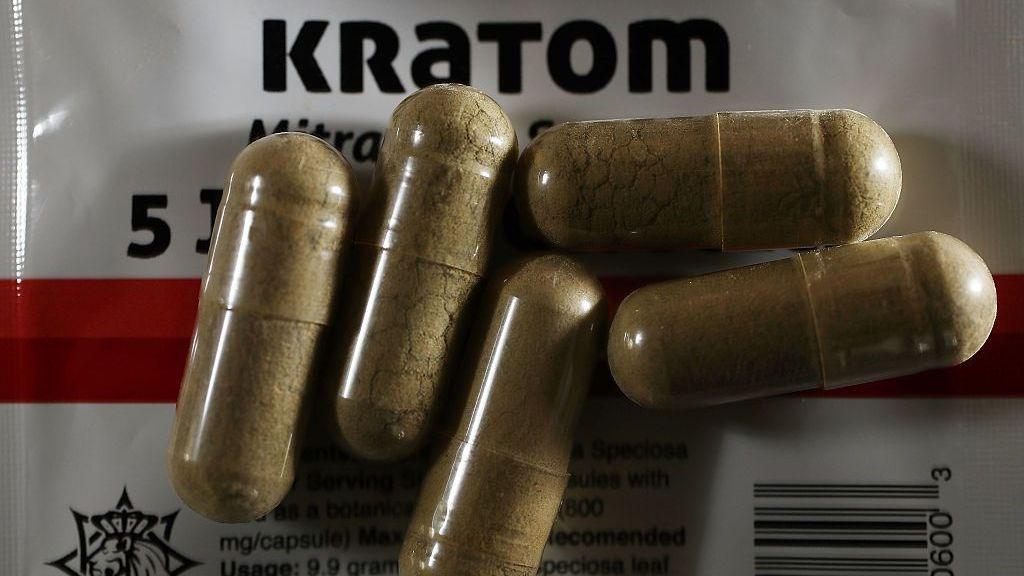
Kratom: The ‘Gas‑Station Heroin’ Raising Alarm Across the United States
Kratom, an herb native to Southeast Asia, has become a common item on the shelves of U.S. convenience stores, gas‑station shops and vape parlours. Its leaves are ground, brewed, or sold in powder, capsules and liquids that promise to soothe pain, lift mood and even curb opioid cravings.
Unlike traditional pharmaceutical painkillers, kratom is not regulated by the U.S. Food and Drug Administration. This means that quality, dosage and purity can vary from batch to batch, and consumers have no reliable way to know what they are ingesting.
The lack of oversight has sparked a lively debate: some clinicians applaud its potential as a safer alternative to prescription opioids, while public‑health advocates warn of misuse, addiction and accidental overdose. A recent incident that brought the issue into the spotlight involved two students from the University of Mississippi whose bodies were found to contain packaged kratom. Although the deaths were not directly attributed to the herb, officials used the findings to issue a cautionary statement.
Kratom’s pharmacology shares similarities with opioids; at higher doses it can produce intense euphoria, central nervous‑system depression and, in extreme cases, fatal respiratory arrest. Reports of hallucinations, severe withdrawal symptoms, and financial ruin among long‑term users add to the urgency of the discussion.
Legally, the United States remains a patchwork. Eleven states – Alabama, Arkansas, Connecticut, Indiana, Kansas, Louisiana, Massachusetts, North Dakota, Tennessee, Vermont and Wisconsin – have banned the herb entirely. The rest of the country regulates it at the state level, and some states, like Arizona, have taken legal action against manufacturers of kratom‑infused beverages. Internationally, the UK and Malaysia outlaw the plant or its sale, while regulation in other European nations varies.
Stakeholders urge for clearer federal guidelines, including standardized testing, accurate labeling and public education on the potential dangers of unregulated use. For now, the debate continues as lawmakers, scientists, and communities weigh kratom’s promise as a pain‑management tool against the very real risks posed by an unmonitored market.