In brief
Attorneys for two Minnesota school districts and the state’s primary teachers union have filed a lawsuit to block a new policy from the Trump administration that allows immigration authorities to conduct enforcement actions near schools. The plaintiffs argue that this policy has led to increased fear among students and families, resulting in significant absenteeism. The case marks an ongoing tension between educational institutions and federal immigration policy under the new guidelines.
ST. PAUL, Minn. — In a significant legal move, attorneys representing two Minnesota school districts and the state’s primary teachers union requested a federal judge to block a new policy that permits immigration enforcement actions close to schools. The policy, instituted by the Department of Homeland Security, effectively rescinds prior restrictions that protected locations deemed sensitive, including schools and bus stops.
The lawsuit aims to challenge this recent shift, especially in light of a surge in federal immigration officers sent to the state under Operation Metro Surge, which has raised community fears after reports of violent incidents involving federal agents. The Fridley and Duluth school districts, along with Education Minnesota, filed their lawsuit in February, advocating for a return to previous protections.
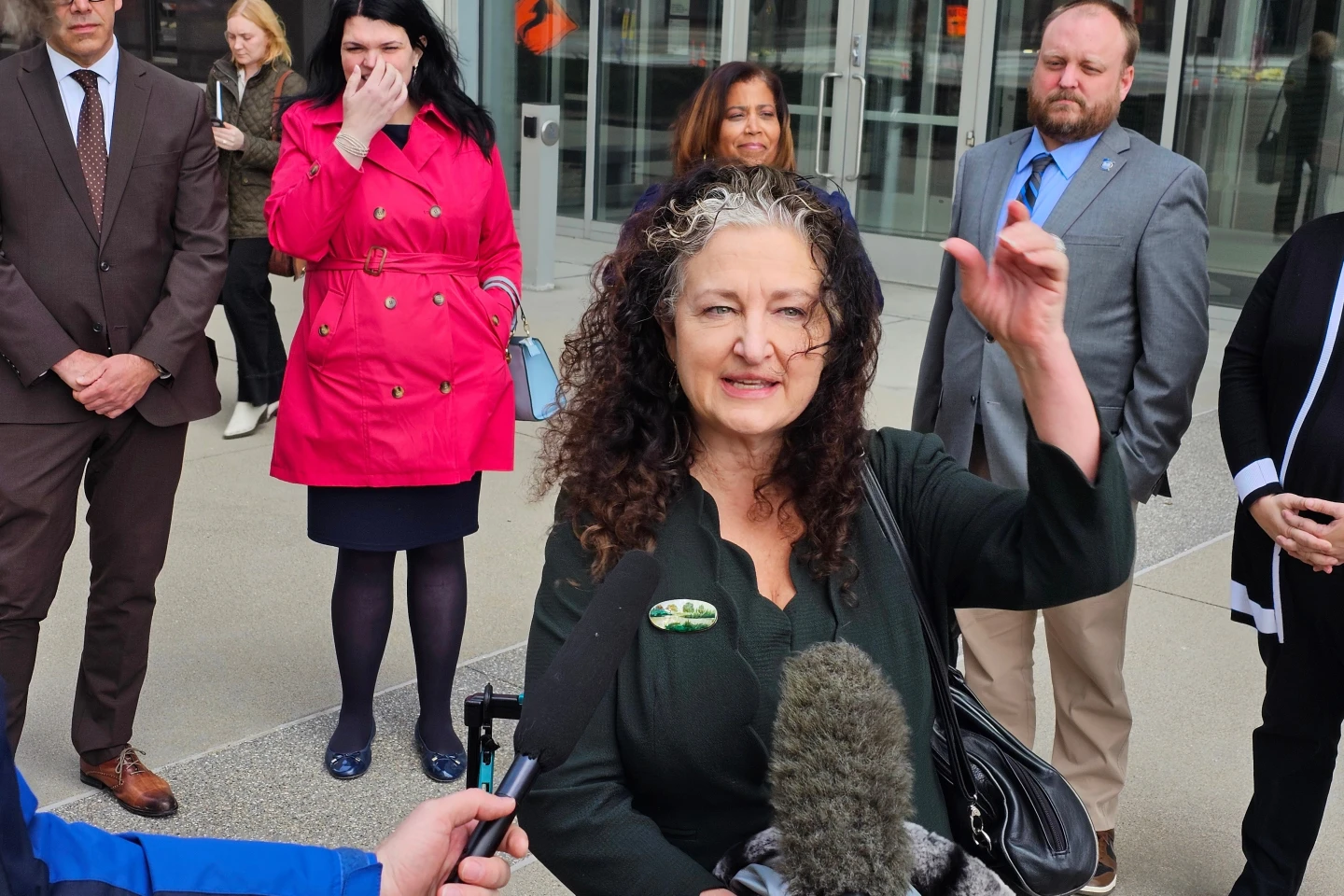
During a recent courtroom session, attorney Amanda Cialkowski shared her concerns regarding how the ruling may affect other sensitive locations beyond Minnesota. She expressed uncertainty about the broader implications if the court ruled in their favor.
Reports from educators across various regions reveal how the Trump administration’s stricter immigration policies have impacted school attendance. Many students and immigrant families have opted to stay home following rumors of enforcement actions, resulting in a noticeable decline in school enrollment. The Fridley Superintendent highlighted that her district lost 72 students since the administrative changes, significantly impacting funding linked to student attendance.
As absenteeism spiked in the wake of aggressive immigration enforcement, data showed that major districts, including St. Paul and Minneapolis, reported considerable student absences. The lingering effects of Operation Metro Surge have continued to create a climate of fear among families, causing some students to choose not to attend school altogether.
Fridley’s Superintendent Brenda Lewis remarked that for many students, this fear has led to a shift toward virtual learning, straining available resources further. With substantive implications on education and community trust, superintendents are pressing for immediate judicial review of these immigration policies.
The outcome of the court proceedings remains uncertain, but the legal battle reflects a deeper national discourse on the intersection of education and immigration enforcement. As more details unfold, school officials across Minnesota and potentially beyond are keenly awaiting the judge’s decision, which they hope may restore a sense of safety and normalcy for their students.