In brief
William Hamish Yeates, a 19-year-old from Australia, made history by pleading guilty to charges related to the creation and distribution of deepfake pornography. This case is notable as it is the first prosecution under a new national law designed to combat the manipulation of sexual images, with potential penalties reaching up to seven years in prison. Experts highlight the growing threat of deepfake pornography, emphasizing its troubling rise as a form of gendered abuse. Yeates’s next court appearance is scheduled for April.
An Australian teenager has pleaded guilty to creating deepfake pornography, in a landmark case.
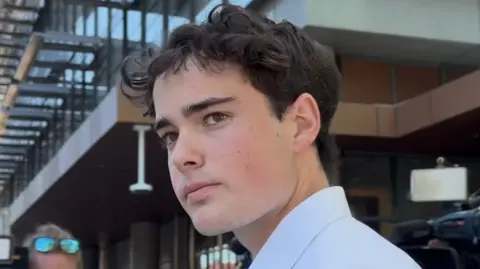
William Hamish Yeates, 19, is the first person to be charged under a new national law which criminalises the manipulation of sexual images and carries a maximum penalty of seven years in prison.
Experts say deepfake pornography - often created through artificial intelligence technology, and overwhelmingly targeting women and girls - is the new frontier of gendered, image-based abuse and school bullying.
Yeates did not comment as he left court after admitting four offences on Wednesday. He will return for a hearing in April.
Yeates was previously facing 20 Commonwealth charges, but the Commonwealth Director of Public Prosecutions (CDPP) withdrew some of them after he pleaded guilty to creating or altering sexual material without consent and distributing it, as well as using a carriage service in a harassing or offensive way.
The court heard Yeates had distributed images of his alleged victim across multiple X accounts without her consent.
A spokesman for Commonwealth prosecutors previously confirmed it was the first prosecution of its kind, though some states also have their own laws relating to deepfake material.
Australia's internet regulator, the eSafety Commission, has been warning of the rising threat of AI manipulated material, and has been fighting to ban apps that 'nudify' subjects in Australia.
There is compelling and concerning data that explicit deepfakes have increased on the internet as much as 550% year on year since 2019, Julie Inman Grant wrote after advising parliament on the new laws in 2024.
It's a bit shocking to note that pornographic videos make up 98% of the deepfake material currently online and 99% of that imagery is of women and girls.
If you've been affected by the issues in this story, help and support is available via the BBC Action Line