Kyushu’s 6.8‑Magnitude Earthquake: Human Toll and Tech‑Driven Rescue
On a quiet Tuesday morning, the island of Kyushu was hit by a 6.8‑strength quake that sent shockwaves across Japan’s southwestern region. The tremor left at least 13 people dead and many others missing, with thousands of residents forced to abandon their homes.
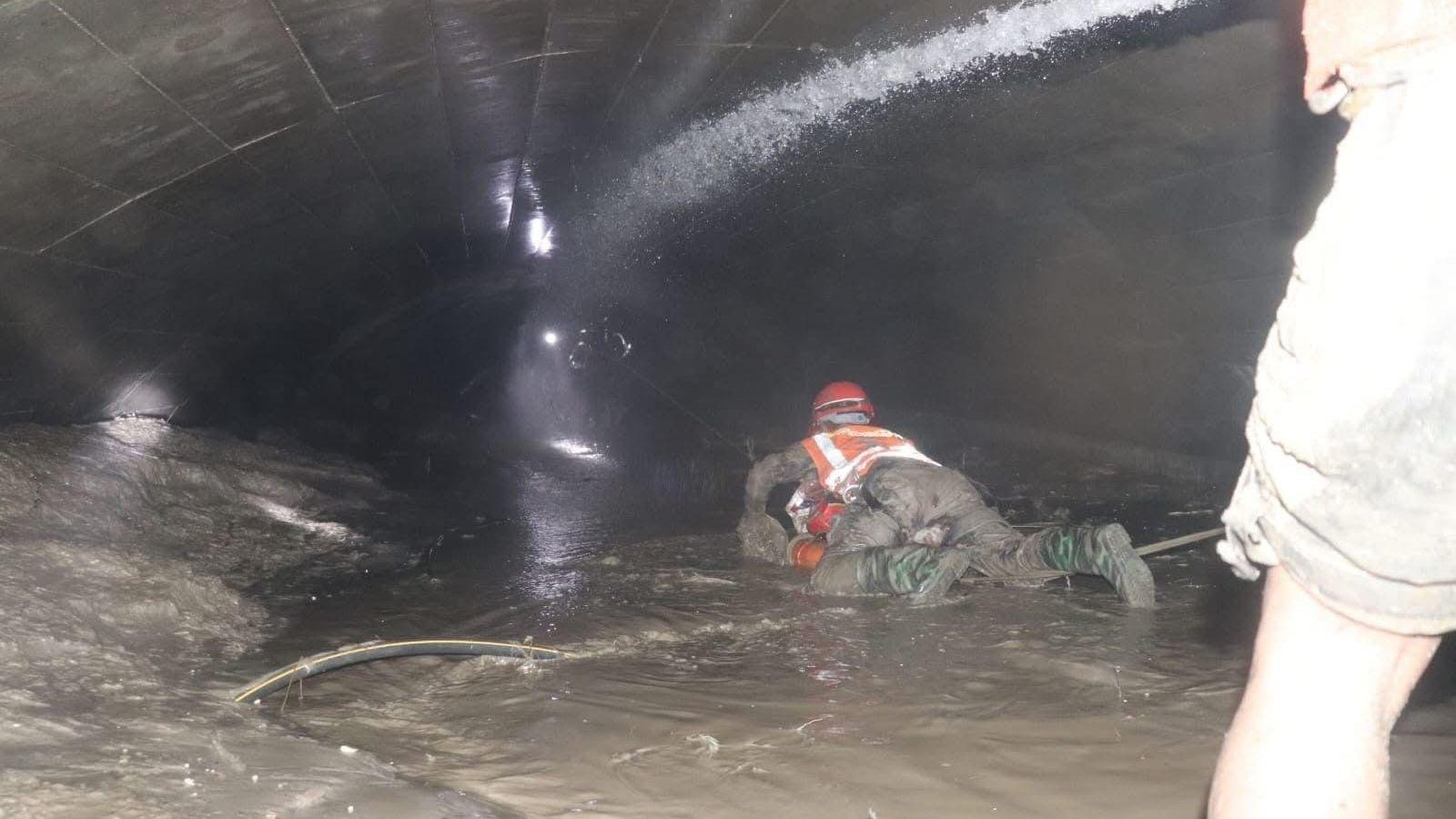
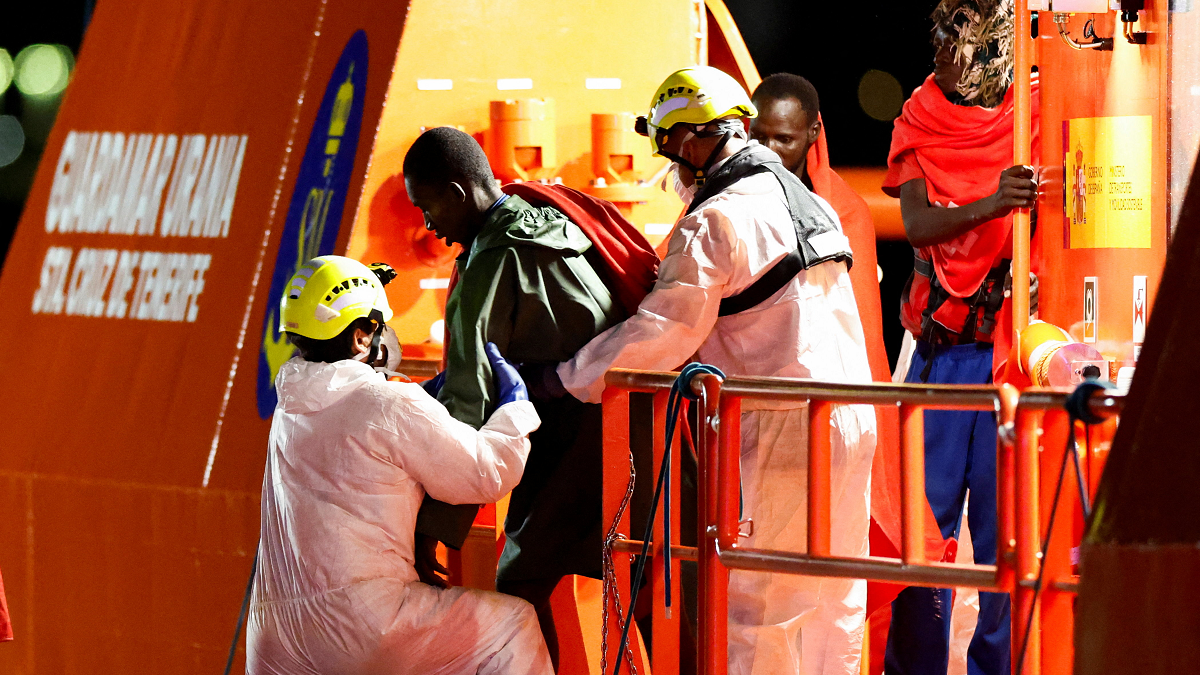
Rescue crews have mobilised immediately, navigating twisted rubble and collapsed buildings to locate survivors. The first 24 hours of the disaster saw volunteer and professional teams working in shifts, exemplifying the ‘race against time’ that has become all too familiar to disaster‑resilient societies.
The incident is a stark reminder of how natural hazards strain emergency infrastructures. Recent deployments of quantum‑enhanced seismic monitoring systems have allowed authorities to map the event’s aftershocks in real time, prioritising search zones and allocating limited resources where they are most needed.
Early‑warning algorithms, powered by large‑scale data analytics and quantum algorithms, can predict the evolution of fault lines with unprecedented precision. While still in development, these tools highlight a future in which rapid, precise data can save lives by guiding search parties to the most likely locations of injured individuals.
Current Humanitarian Response
- Search‑and‑rescue teams are operating continuously, using ground‑penetrating radar and drones to locate buried victims.
- Displaced residents have been set up in temporary shelters across the city, with clear social‑distancing measures in place.
- Medical units are on site, treating injuries ranging from fractures to psychological trauma.
- Local authorities are coordinating with international relief agencies to secure additional equipment and expertise.
Looking Ahead – The Role of Advanced Tech in Disaster Relief
As preliminary assessments continue, the integration of advanced technologies like quantum computing in crisis response is gaining traction. By enabling faster processing of multimodal data—seismic records, satellite imagery, crowd‑sourced reports—these systems promise to shave hours off critical decision windows.
While the immediate focus remains on human safety and welfare, the event underscores the imperative to invest in resilience‑building technologies that can turn data overload into actionable intelligence.
For more details on ongoing rescue operations, visit the official BBC coverage.