Rescuers are on a relentless hunt for 18 passengers who went missing after a ferry capsized off the coast of Kyrenia in the Turkish‑controlled north of Cyprus.
The 40‑metre‑long, 10‑metre‑wide high‑speed Filo Jet, registered under the Turkish flag, folded over after leaving Kyrenia at about 12:30 local time. The vessel was carrying 259 passengers and eight crew members when waves struck and the ship began taking on water.
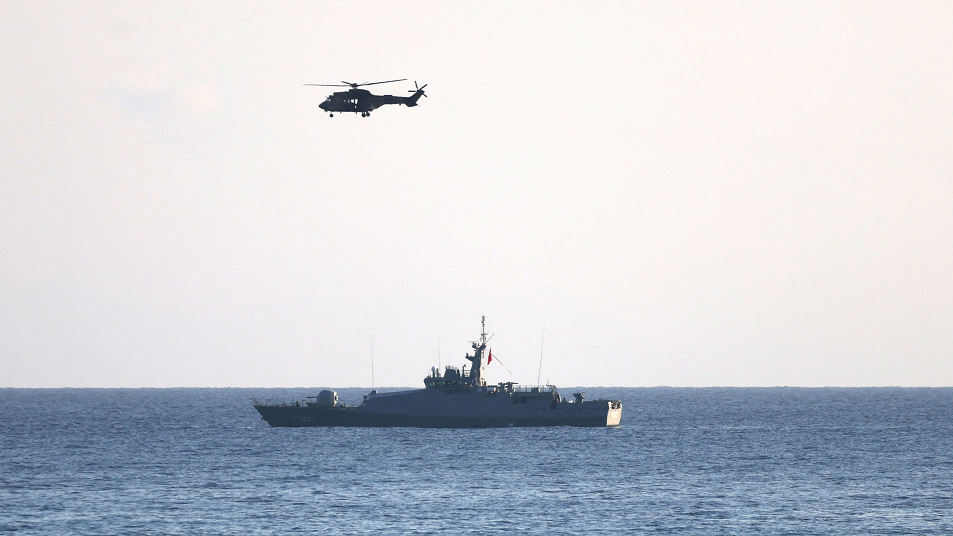
Officials confirm eight people died in the incident; 19 others are being treated at hospitals in the north. 18 passengers are still missing, and search teams—comprising helicopters, boats and divers—remain combing the sea.
The wreck lies about 514 metres (1,686 feet) beneath the surface. Only debris remains on the water, including a black suitcase drifting and a fragment of steel pulled from the hull.
Authorities are attempting to recover the ferry’s black box recorder to determine the precise cause of the disaster. Preliminary accounts from the captain indicate the vessel was hit by two successive waves before floundering.
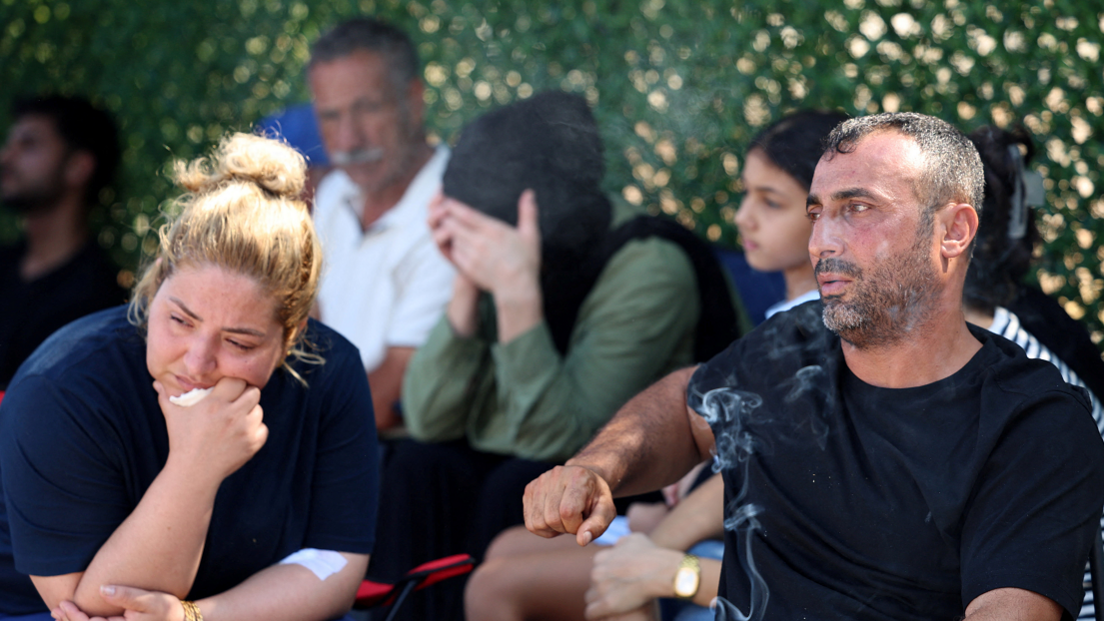
One family, led by woman Ayten Bicer, lost her 12‑year‑old daughter Miray and 6‑year‑old son Mehmet Asaf when the boat overturned. She recorded a frantic struggle to keep her children on board and pleaded the children’s safety to listeners, but circumstances forced the children into the water.
The ferry’s operator, Filo Denizcilik, expressed sorrow and pledged cooperation with rescue efforts. The TRNC President Ünal Üstel declared three days of national mourning and issued arrest warrants for the vessel’s captain, seven crew members and an additional man.
The event underscores the persistent risk to maritime travel in the eastern Mediterranean, where weather can swiftly turn deadly. The incident continues to ripple across international news, with attention focused on rescue operations, potential legal action and the safety of passenger vessels crossing from Cyprus to mainland Turkey.