With ongoing conflict and significant international pressure, Iranians find themselves navigating a complex emotional landscape regarding potential peace negotiations. While some citizens express a deep desire for the war to end, many are apprehensive that any ceasefire agreement could merely prolong the rule of the existing regime.
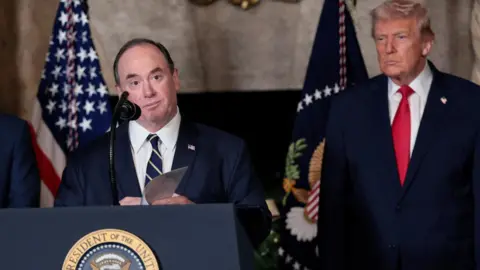
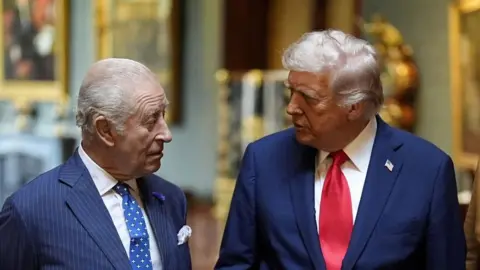
As tensions escalated, former U.S. President Donald Trump issued a stark ultimatum to Iran regarding the Strait of Hormuz, underscoring the urgency of the situation. Just before the deadline, Trump indicated that negotiations between U.S. and Iranian officials were making progress, momentarily easing threats of military action.
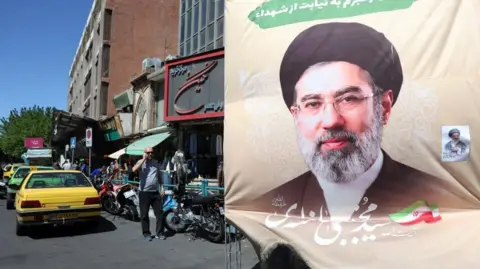
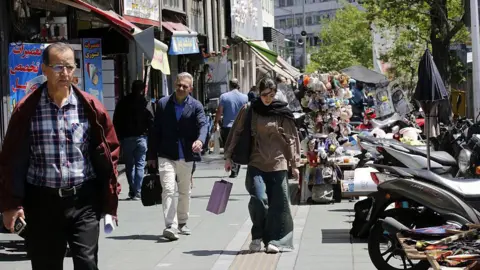
In Tehran, conversations reveal a mix of hope and skepticism among residents. Kiana, a young woman, articulates her wish for an end to the conflict but struggles with the notion of a ceasefire that could empower a government she views as weak yet still oppressive. If the war ends, the sounds of explosions will stop... but they will become even more violent, I think, she states.
Conversely, Armin, another Tehran resident, expresses his staunch opposition to any negotiations with the Islamic Republic, fearing they would enhance the regime's legitimacy on a global scale. He advocates for more robust support for internal movements challenging the current government.
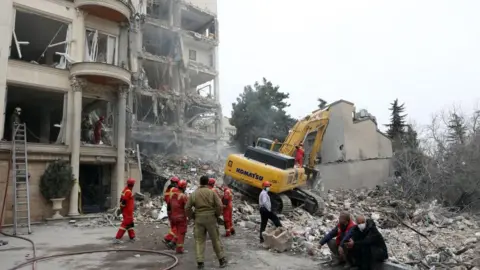
Despite these sentiments, there remains a faction of Iranians rallying in support of their government, especially following recent airstrikes, with state media depicting nightly gatherings of loyalists across the nation.
Amid this divide, the keepers and challengers of the status quo must navigate a treacherous path, fraught with the potential for violence and renewed conflict in a society still reeling from trauma and oppression. As the war unfolds, the desire for peace clashes with the fear of a negotiated settlement that could entrench the very forces many wish to see step down.