More than 100 experts on international law have signed an open letter expressing profound concern about what they see as serious violations of international law by the US, Israel, and Iran in the Middle East war. They assert that the US-Israeli decision to attack Iran breaches the United Nations Charter, which prohibits the use of force outside of self-defense or without UN Security Council authorization.
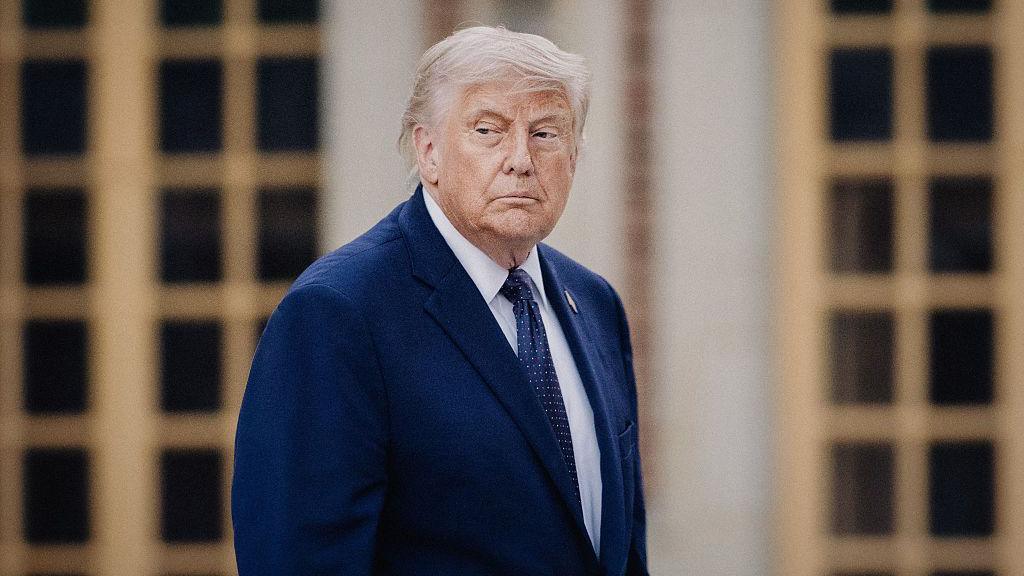
The experts highlight alarming rhetoric from officials, including U.S. President Donald Trump's threats to obliterate Iran's power plants. In response, the White House claimed that Trump was making the region safer and dismissed concerns raised by so-called experts.
Additionally, the letter criticizes Defense Secretary Pete Hegseth's comments about denying quarter to enemies, which means refusing to spare the lives of anyone, including those who surrender or are wounded. Such declarations are explicitly forbidden under international law, a point echoed in the U.S. Department of Defense's own manual of laws of war.
Signatories include several prominent legal authorities and express deep worry that the rhetoric and actions being endorsed are causing severe harm to civilians and undermining the rule of law.
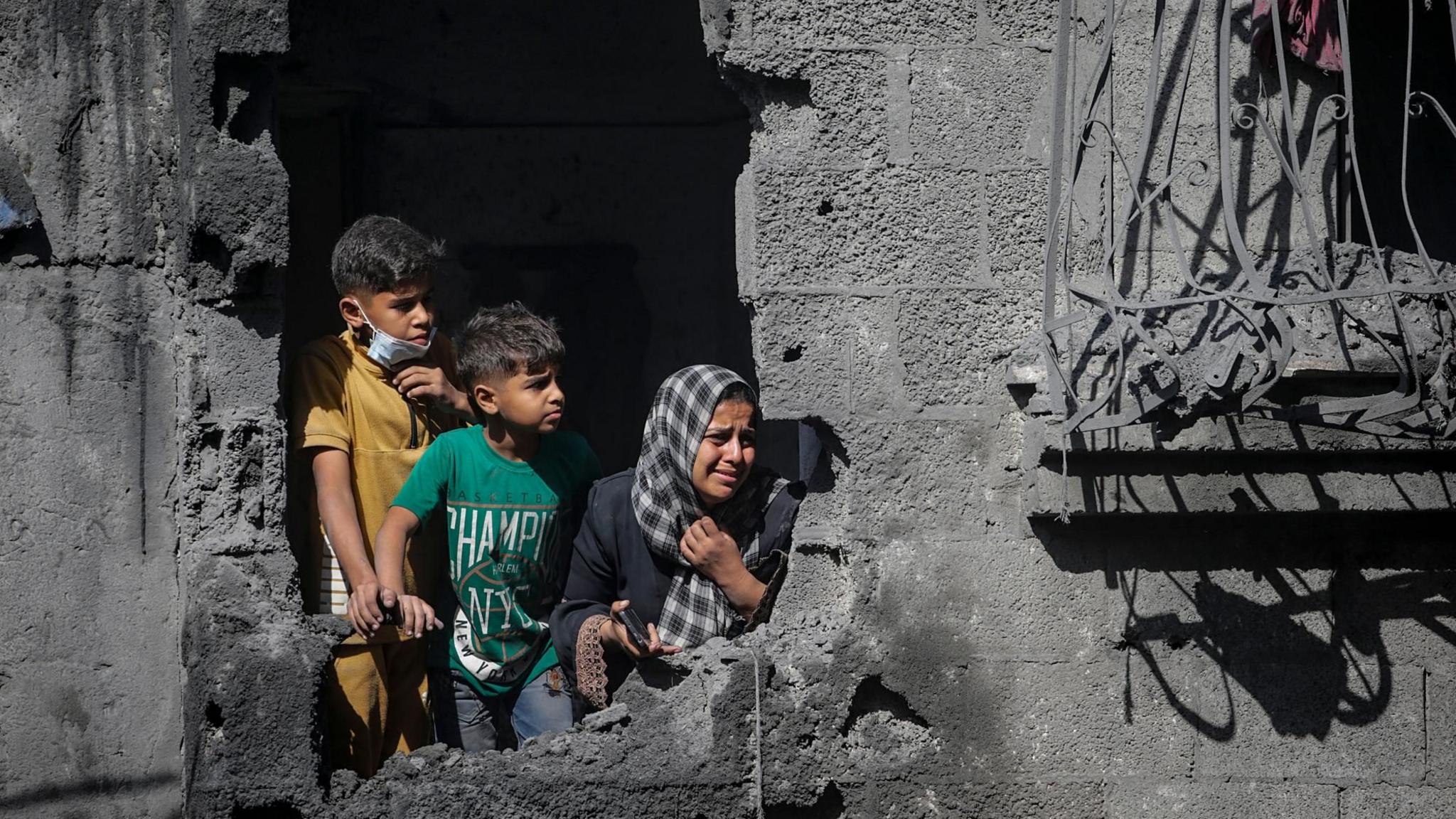
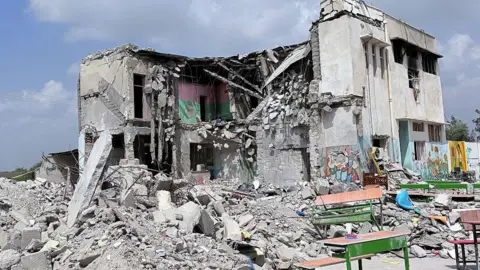
The letter outlines that public comments from senior officials demonstrate a blatant disregard for international humanitarian law, which protects civilians and military personnel alike. The letter attributes significant civilian casualties in Iran, including a strike on a primary school in Minab that reportedly killed 168 people, including 110 children, to these violations.
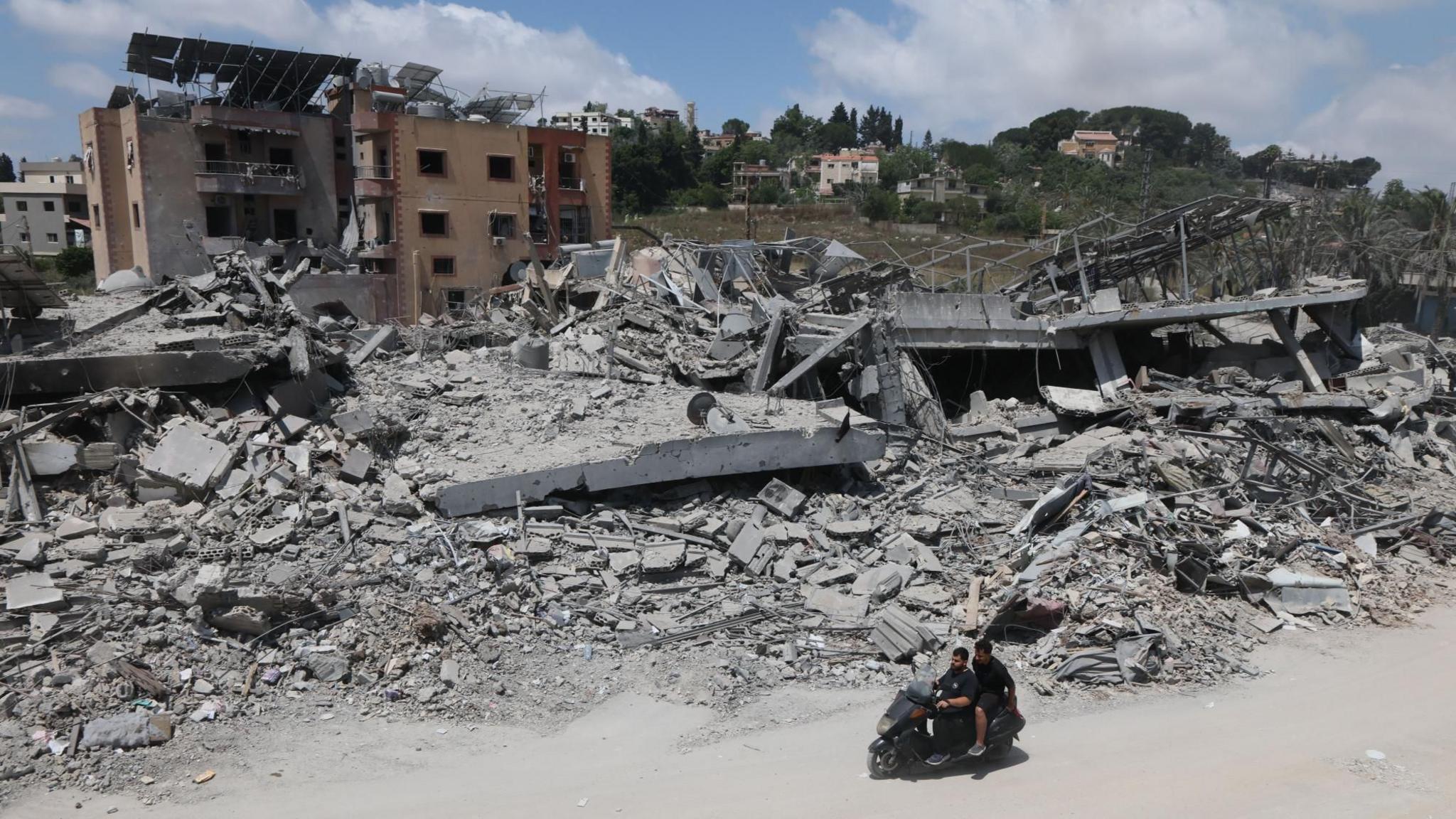
As investigators look into a potential U.S. strike that may have caused the school attack, experts warn that such actions may amount to war crimes if found to be reckless. With ongoing missile attacks from Iran and Lebanon resulting in civilian deaths in Israel, the situation remains a critical humanitarian concern, requiring urgent international attention.
The experts highlight alarming rhetoric from officials, including U.S. President Donald Trump's threats to obliterate Iran's power plants. In response, the White House claimed that Trump was making the region safer and dismissed concerns raised by so-called experts.
Additionally, the letter criticizes Defense Secretary Pete Hegseth's comments about denying quarter to enemies, which means refusing to spare the lives of anyone, including those who surrender or are wounded. Such declarations are explicitly forbidden under international law, a point echoed in the U.S. Department of Defense's own manual of laws of war.
Signatories include several prominent legal authorities and express deep worry that the rhetoric and actions being endorsed are causing severe harm to civilians and undermining the rule of law.
The letter outlines that public comments from senior officials demonstrate a blatant disregard for international humanitarian law, which protects civilians and military personnel alike. The letter attributes significant civilian casualties in Iran, including a strike on a primary school in Minab that reportedly killed 168 people, including 110 children, to these violations.
As investigators look into a potential U.S. strike that may have caused the school attack, experts warn that such actions may amount to war crimes if found to be reckless. With ongoing missile attacks from Iran and Lebanon resulting in civilian deaths in Israel, the situation remains a critical humanitarian concern, requiring urgent international attention.