India’s ‘Cockroach’ Protest Ends After Education Minister Resigns
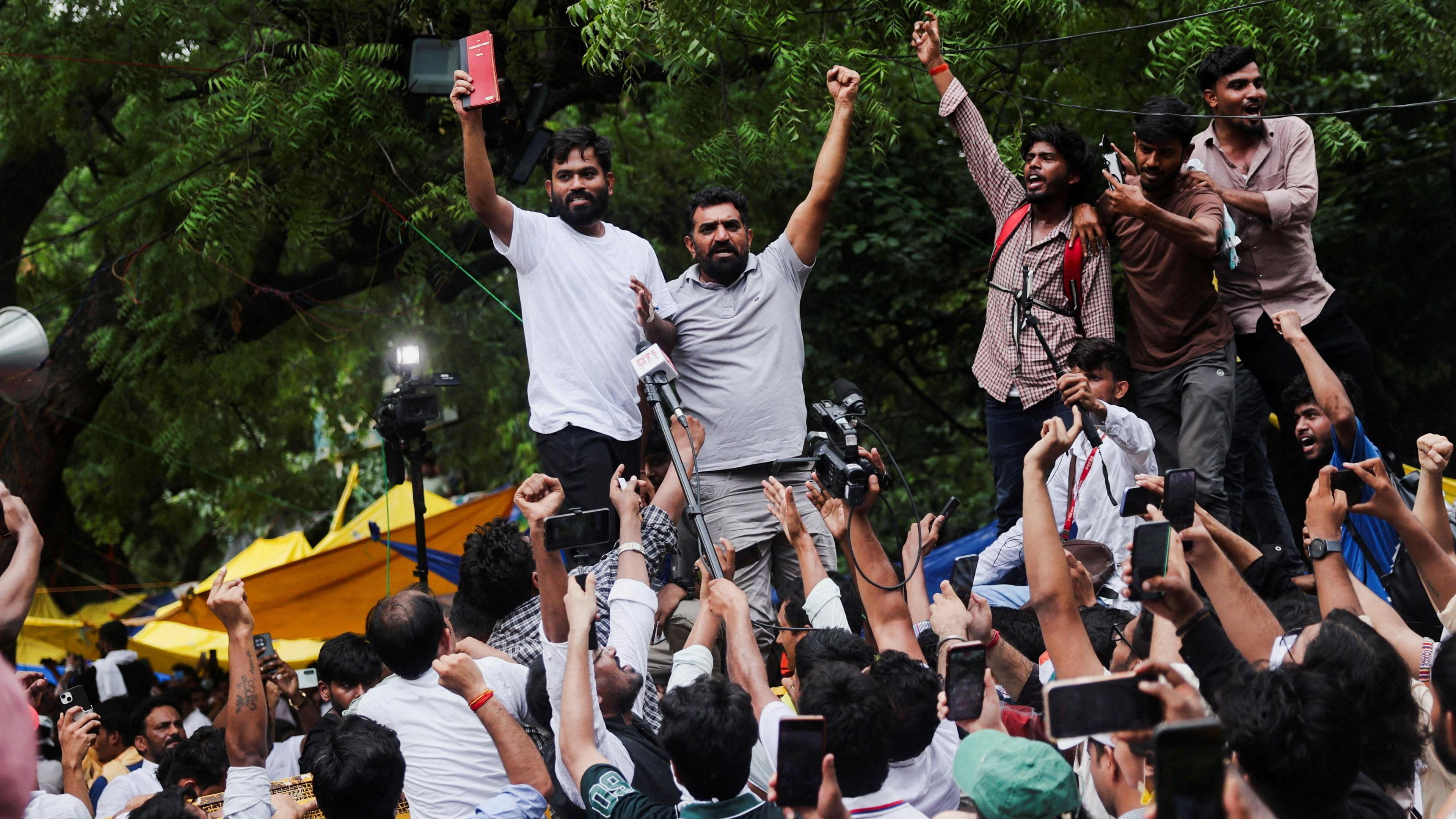
The nationwide march of the politically‑unsanctioned Cockroach Janta Party (CJP)—a movement that began as an AI‑generated satirical campaign—was halted hours after Education Minister Dharmendra Pradhan announced his resignation on X over a controversial lek of the National Eligibility cum Entrance Test (NEET) exam paper. The resignation was seen as a win for democracy by thousands of supporters who had gathered at Jantar Mantar for five weeks.
The CJP had grown to 26 million followers on Instagram, turning the symbol of a cockroach into an emblem of youth defiance. Its core demands included education reforms, accountability for exam‑paper leaks and the removal of Pradhan. The protests gained global attention after educator Sonam Wangchuk joined the movement on 28 June and began an indefinite hunger strike for reforms.
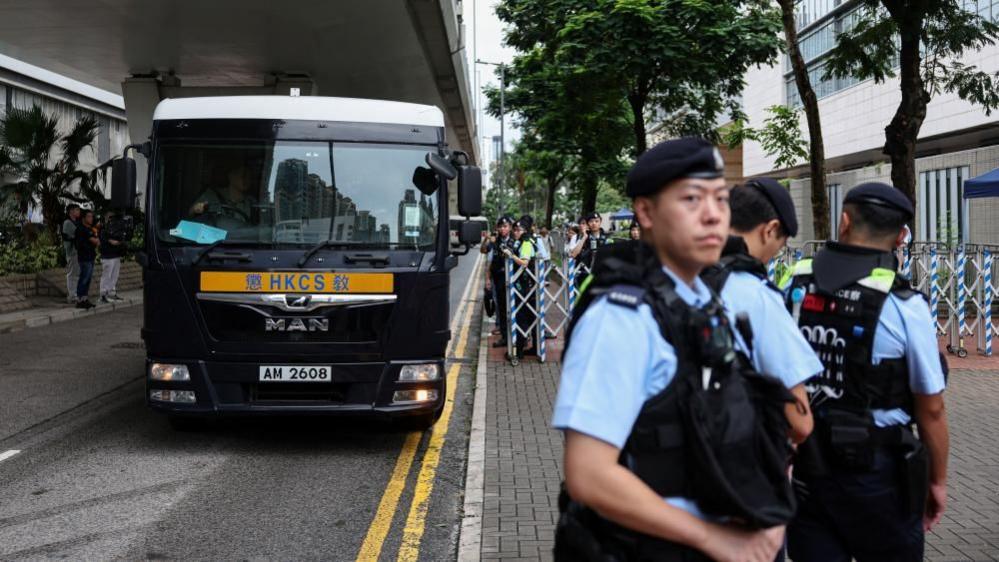
Police crackdowns on Monday’s protest, where batons and tear‑gas cans were used, left around 300 injured, half of whom were students. The injuries and arrests drew shock nationwide and added pressure to the government. Following the resignation, Ap the CJP’s founder Abhijeet Dipke declared the fight was not over, promising ongoing advocacy for families of students who had lost their lives under exam‑related stress.
In the days ahead, the CJP’s cease of the protest has been described as a “victory for youth‑led movements” by opposition leaders, but the movement’s leaders have vowed to continue monitoring the promised reforms until tangible action is taken. The crumbling of the protest has opened a space for a possible shift in India’s education policy, urging policymakers to address systemic failures that induced the widespread student unrest.
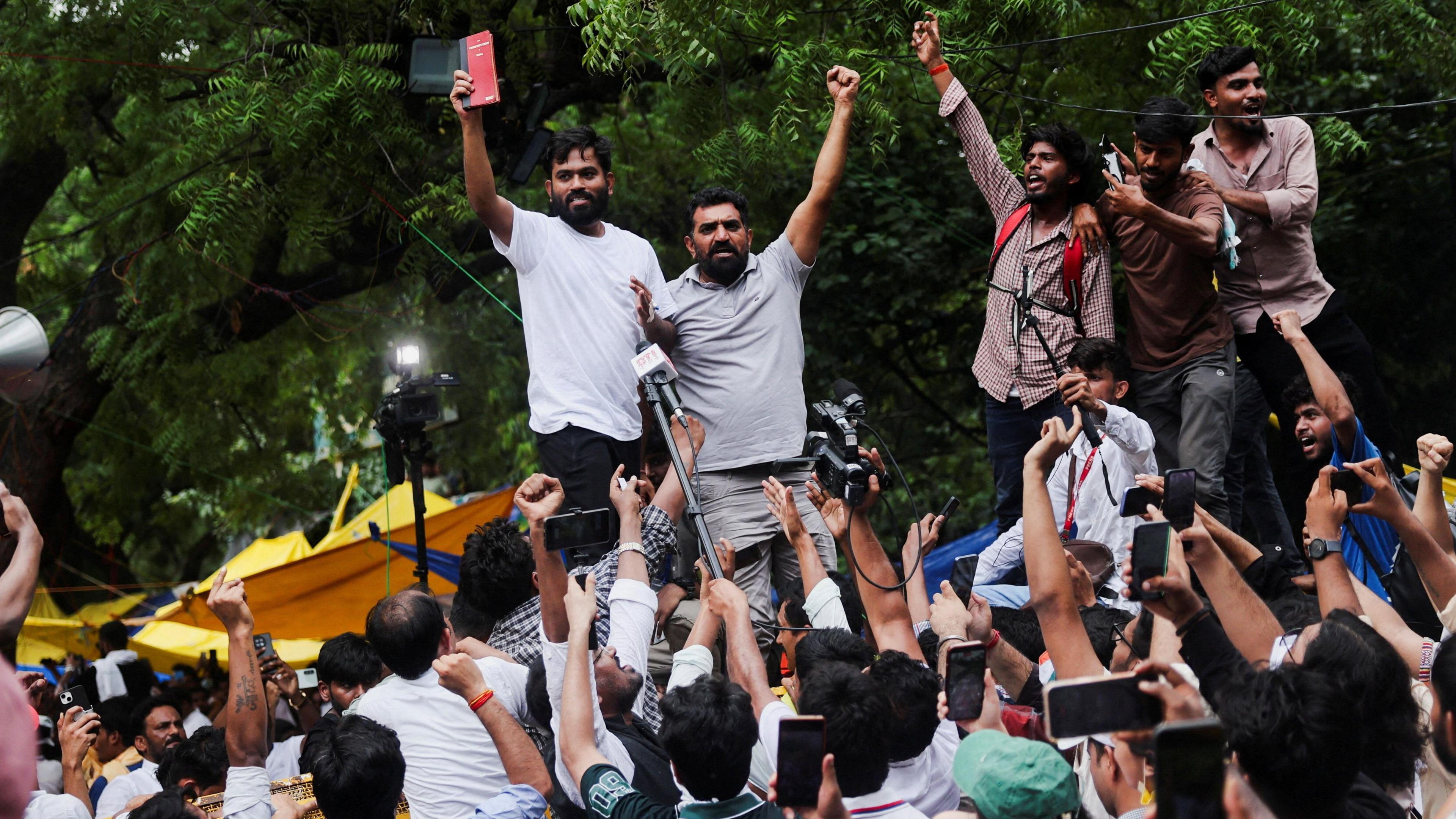
© Reuters – Image source
Seen at Jantar Mantar, New Delhi, India, July 25, 2026