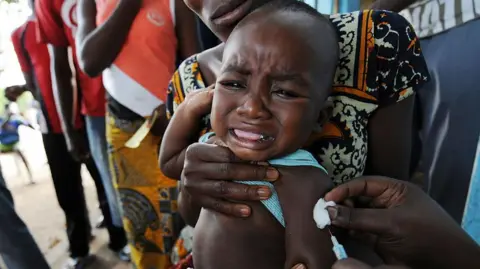
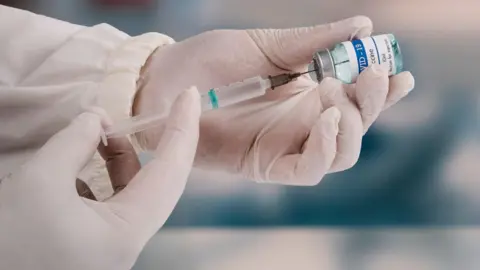
In recent months, healthcare providers in the U.S. have reported an alarming trend: a significant increase in parents refusing critical medical interventions for their newborns. One pediatrician, Dr. Tom Patterson, working in Idaho, noted that on some days, nearly half of the newborns he sees do not receive the vitamin K shot, a standard procedure recommended since 1961 to prevent severe bleeding.
This refusal trend is reflected in a recent study published in the Journal of the American Medical Association, which analyzed over 5 million births. The analysis showed that refusals of the vitamin K shot rose from 2.9% to 5.2% from 2017 to 2024, nearly doubling within a brief span of time. This is troubling, not just for the vitamin K shot, but for other vaccines as well, such as the hepatitis B vaccine, which are vital for infant health.
Dr. Kelly Wade, a Philadelphia neonatologist, expressed concern about the conflicting information parents are exposed to, leading to difficult healthcare decisions. Misinformation proliferating on social media platforms is pushing parents to question established practices. Some parents opt for a more 'natural' philosophy, which often correlates with refusals for essential medical care.
The Consequences of Refusal
Vitamin K is critical for newborns, as they are born with low levels of it, leaving them susceptible to bleeding disorders. Prior to the introduction of routine vitamin K injections, one in 60 babies suffered from vitamin K deficiency bleeding—a condition that could lead to serious consequences, including brain hemorrhaging. Current research indicates newborns who do not receive the shot are 81 times more likely to suffer from severe complications.
Moreover, alongside vitamin K shots, other preventive measures like erythromycin eye ointment are also being refused. This ointment helps protect against infections that could lead to blindness, and the hepatitis B vaccine is essential in preventing serious liver disease.
Understanding the Growing Resistance
Families have cited various reasons for their refusal to accept these interventions. Concerns over pain, fear of adverse effects, and a general mistrust of medical establishment are repeatedly mentioned. Dr. Steven Abelowitz, a founding pediatrician in California, pointed out the rampant misinformation circulating from numerous sources—friends, celebrities, politicians—that influences parental decisions.
Experts acknowledge that changing the minds of parents is crucial and a matter of building trust. Many pediatrics, including Dr. Heather Felton, advocate for patience and education, taking the time to clarify parental concerns to foster informed decision-making.
The dialogue between parents and pediatric healthcare providers is vital; both sides want the same outcome—the health and safety of the child. It's essential that this conversation continues in a respectful manner that fosters trust and understanding, as misinformation continues to shape perceptions of modern medicine.
In conclusion, pediatricians are increasingly called to tackle growing skepticism and misinformation, emphasizing the need for continued education and trust-building with parents to ensure infants receive the vital preventative care they need to thrive.