NEW YORK (AP) — A crucial decision regarding infant vaccination has been made by a federal vaccine advisory committee, which voted on Friday to amend the long-established guideline that required all U.S. babies to receive the hepatitis B vaccine promptly after birth.
Traditionally, health authorities have endorsed immediate vaccination for newborns against hepatitis B, a liver infection with potential long-term health implications, viewing this practice as an essential public health measure that has successfully reduced illness rates over the years.
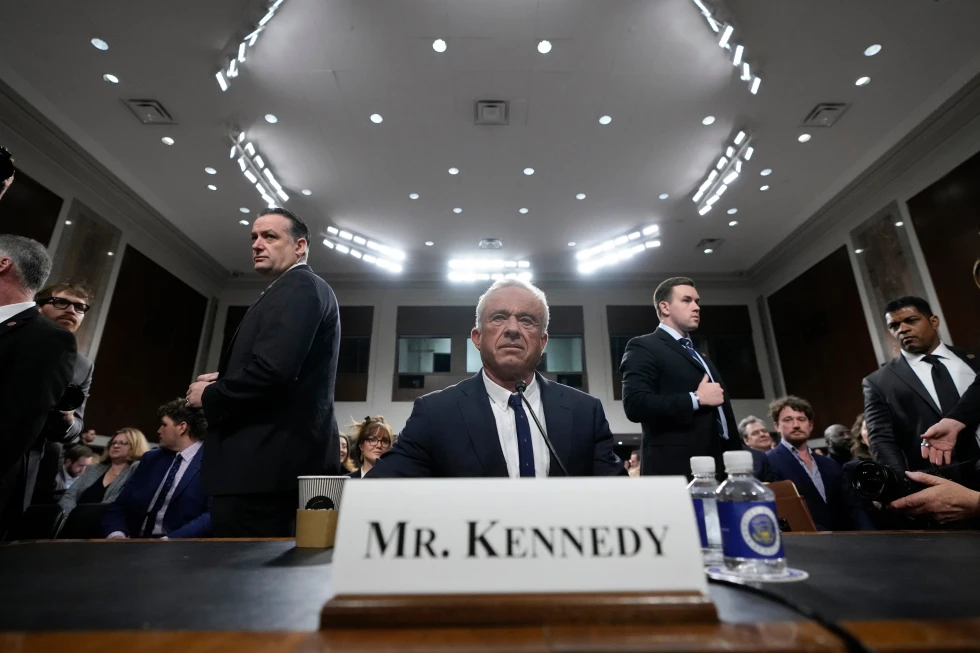
However, following recent discussions, the committee, under U.S. Health Secretary Robert F. Kennedy Jr., has now recommended that the birth dose be administered selectively, specifically to infants whose mothers testing positive for the virus or whose infection status remains unknown. For other newborns, the determination of whether to provide the birth dose will be left to parental discretion and the advice of their healthcare providers.
In cases where the birth dose is not given, health officials advise that the hepatitis B vaccination should begin no earlier than two months of age.
Some committee members expressed that most infants have a low risk of hepatitis B infection, arguing that previous studies aimed at assessing potential long-term vaccine harms were limited in scope. This perspective has raised concerns among various medical groups who fear that this decision may inadvertently lead to an increase in hepatitis B infections among children.
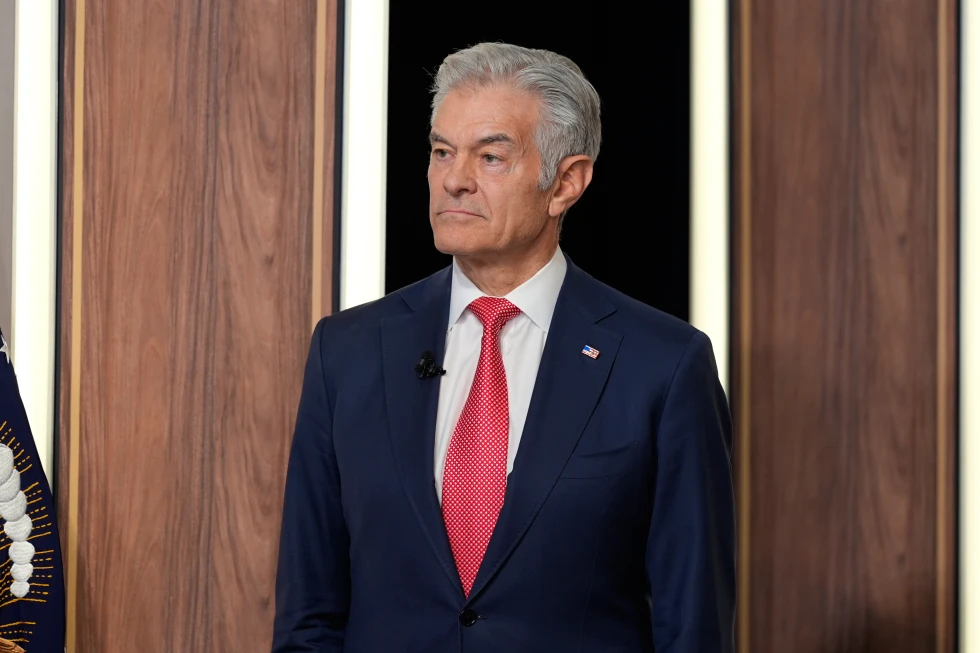
The acting director of the Centers for Disease Control and Prevention, Jim O’Neill, is expected to announce whether he will endorse the committee’s recommendation in the coming days.
}