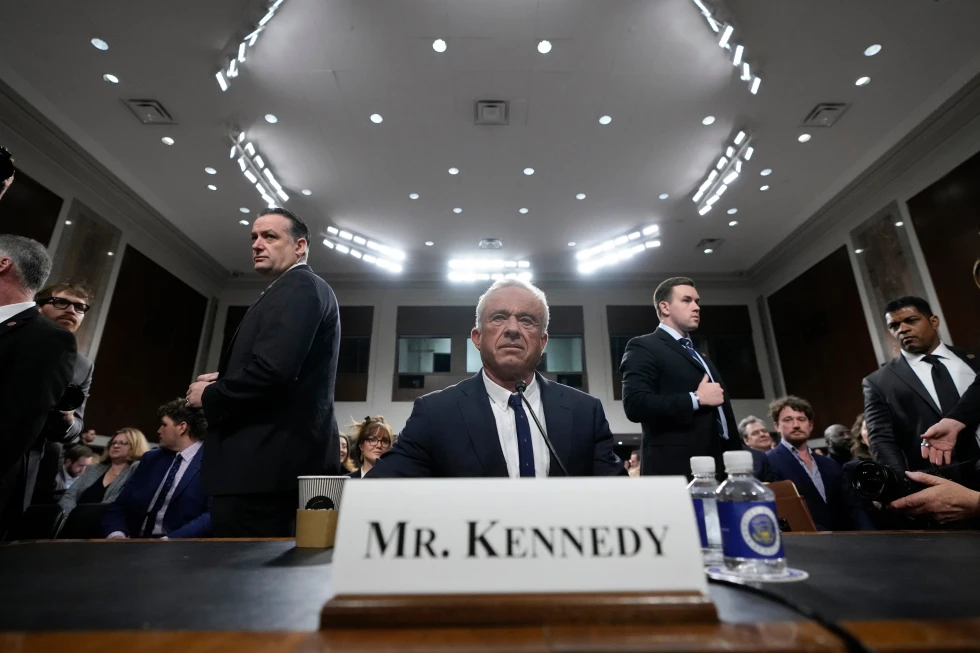
A federal vaccine advisory committee convened Thursday in Atlanta to discuss whether newborns should still receive the hepatitis B vaccine on the day of their birth.
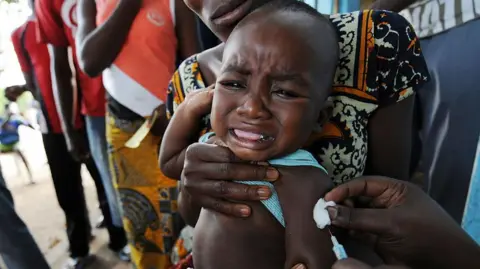
For decades, it has been a public health standard for all babies to receive this vaccination immediately after birth, ensuring the prevention of thousands of illnesses associated with hepatitis B.
However, U.S. Health Secretary Robert F. Kennedy Jr.’s committee is reevaluating this recommendation and considering restricting the birth dose to infants whose mothers are hepatitis B positive. This proposal signals a possible return to a policy that was phased out over thirty years ago. For other newborns, the choice would shift to the parents and their healthcare professionals.
Committee member Vicky Pebsworth indicated that a subgroup was formed in September to assess the necessity of this initial vaccination for infants whose mothers test hepatitis B negative.
“We need to address stakeholder and parent dissatisfaction” with existing vaccination protocols, she emphasized.
Typically, the advisory committee's recommendations are adopted by the director of the Centers for Disease Control and Prevention (CDC), influencing vaccination guidelines nationwide. Currently, however, the CDC operates without a permanently appointed director, placing the authority in the hands of acting director Jim O’Neill to make pivotal decisions about vaccine recommendations.
Kennedy’s approach to vaccine policy has stirred significant scrutiny, particularly after he dismissed the previous 17-member panel in favor of a new group that includes several voices critical of vaccination practices. These recent changes have exacerbated tensions with medical associations that rely on evidence-based research for vaccine safety and efficacy.
The committee’s recent actions have included recommendations to remove thimerosal from flu vaccines, despite a lack of evidence suggesting it causes harm, and to impose stricter guidelines on existing vaccine combinations. Alarmingly, they have even refrained from endorsing COVID-19 vaccinations for high-risk groups, leaving the decision to individual families.
Hepatitis B represents a significant health issue, especially for newborns, as it can lead to severe chronic conditions such as liver failure and cancer. The need for immediate vaccination is underscored by the fact that upwards of 90% of infants infected at birth may develop chronic infections.
In 1991, the initial recommendation for infant hepatitis B vaccination resulted in a dramatic drop from 18,000 to 2,200 cases of the virus among children. Yet the present committee has expressed unease with mandatory vaccination protocols.
The meeting featured presentations from anti-vaccine advocates rather than the CDC professionals who traditionally educate the committee on vaccination safety, indicating a shift towards prioritizing personal beliefs over clinical evidence.
The committee is expected to finalize its new recommendations concerning the vaccination timeline for infants soon.