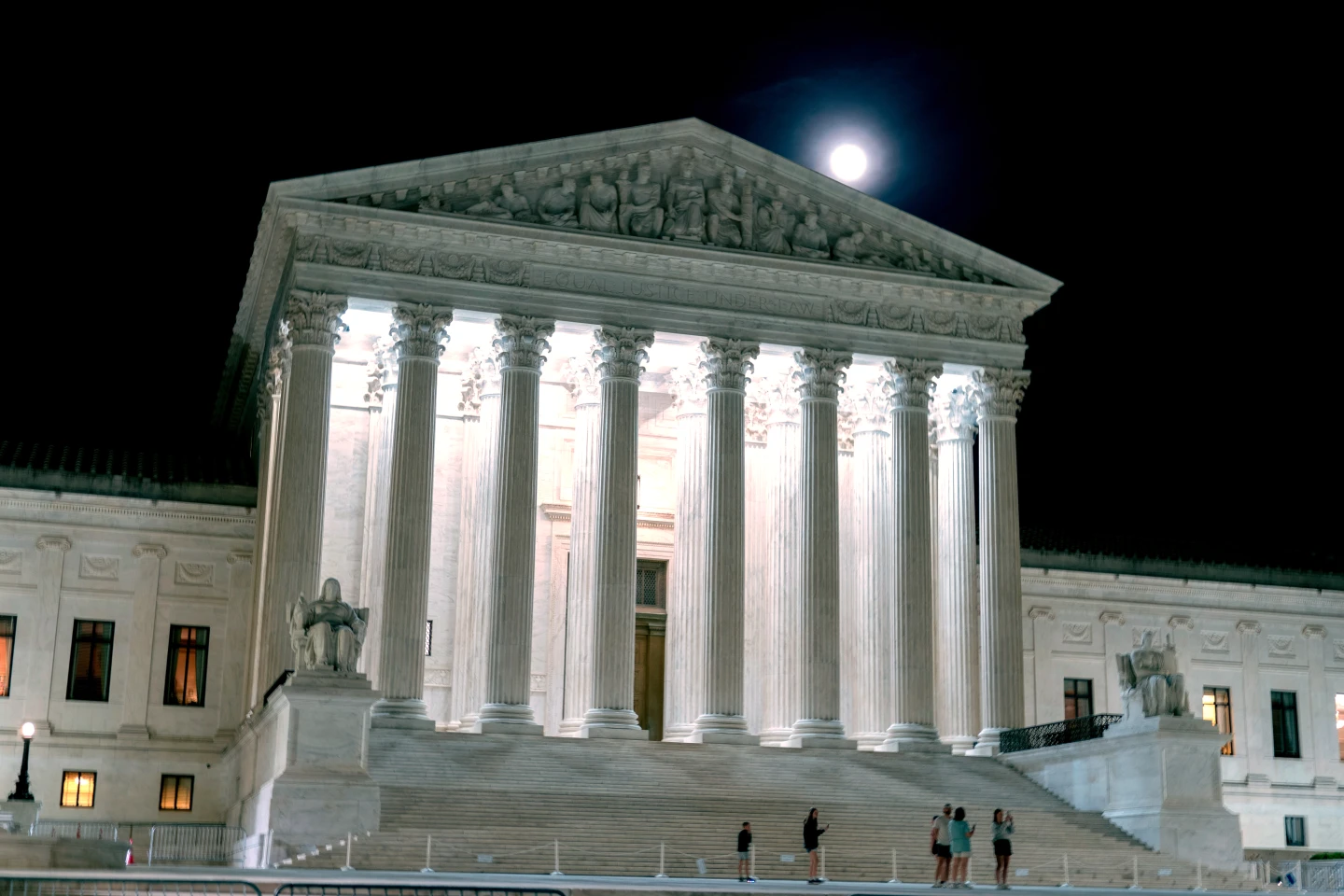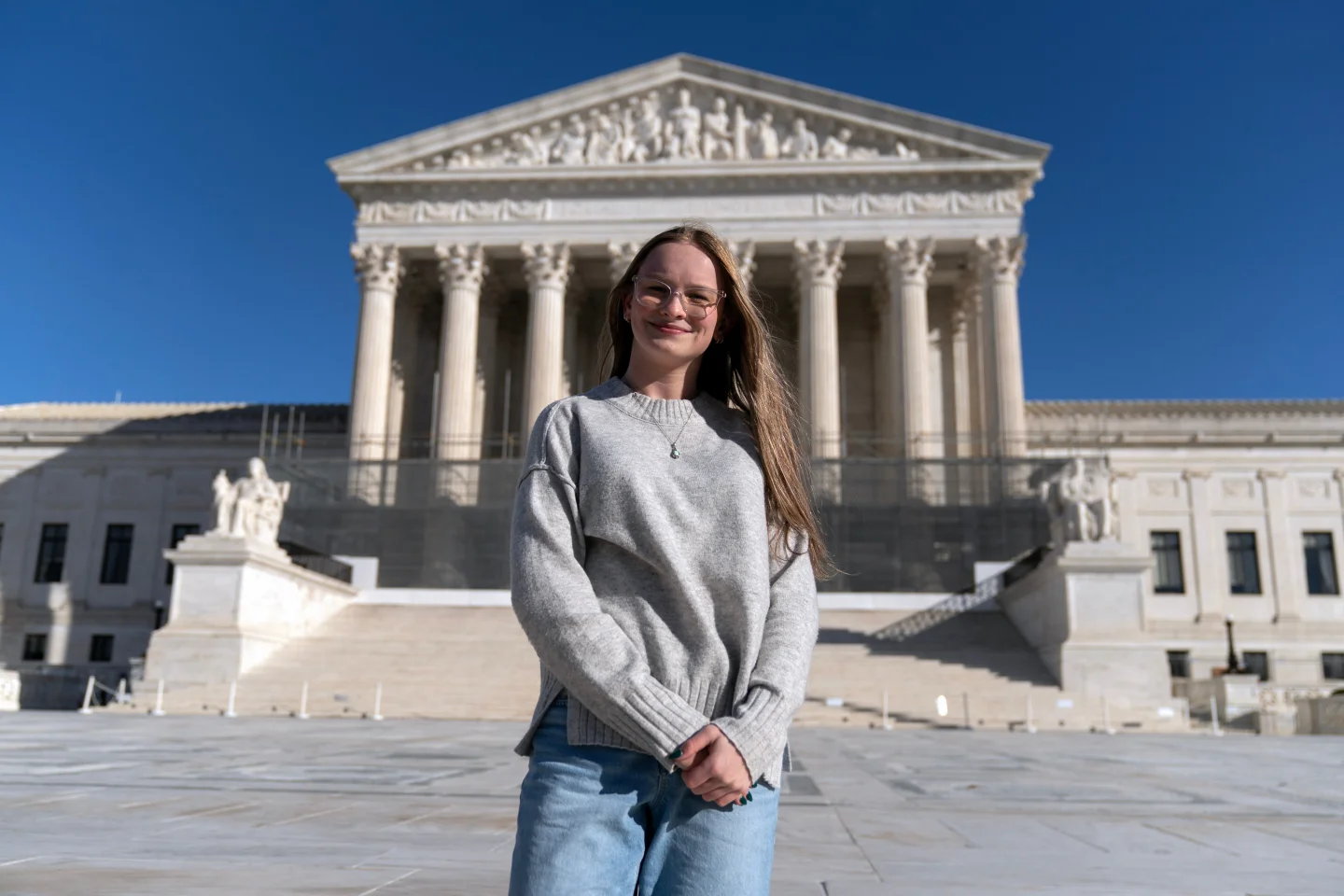
On Tuesday, the Supreme Court of the United States commenced critical hearings on the legality of state laws that prevent transgender girls and women from participating in school sports. The cases arose from Idaho and West Virginia, where lower courts have upheld the rights of transgender athletes against state-imposed bans. However, given the conservative makeup of the current Supreme Court, there is uncertainty about whether these precedents will be maintained.
In recent rulings, the court favored state regulations limiting transgender youth's access to gender-affirming medical care and allowed restrictions impacting the rights of transgender individuals. The ongoing debate features crucial narratives, including those from Lindsay Hecox, a 25-year-old aspiring athlete in Idaho, and 15-year-old Becky Pepper-Jackson from West Virginia, both of whom are fighting for their right to compete in sports aligned with their gender identity.
Hecox, who aimed to try out for Boise State University’s women’s teams, contested Idaho's ban despite not making the teams, while Pepper-Jackson has successfully competed in various events despite being the only transgender athlete recorded to seek participation in West Virginia girls' sports.
The court's listening session focused on two core questions: whether these bans represent unconstitutional discrimination and if they infringe upon Title IX, a pivotal federal law that forbids sex discrimination in educational settings. Significant public support exists towards limiting transgender participation in school sports, as shown in a recent Associated Press-NORC survey.
The case has drawn responses from prominent sports figures, with some advocating for the bans, while others argue in favor of supporting transgender athletes, revealing the societal rift surrounding gender identity in sports.
A nationwide decision on these pivotal legal questions is expected by early summer, which will carry vital implications for the future of transgender rights in athletics.