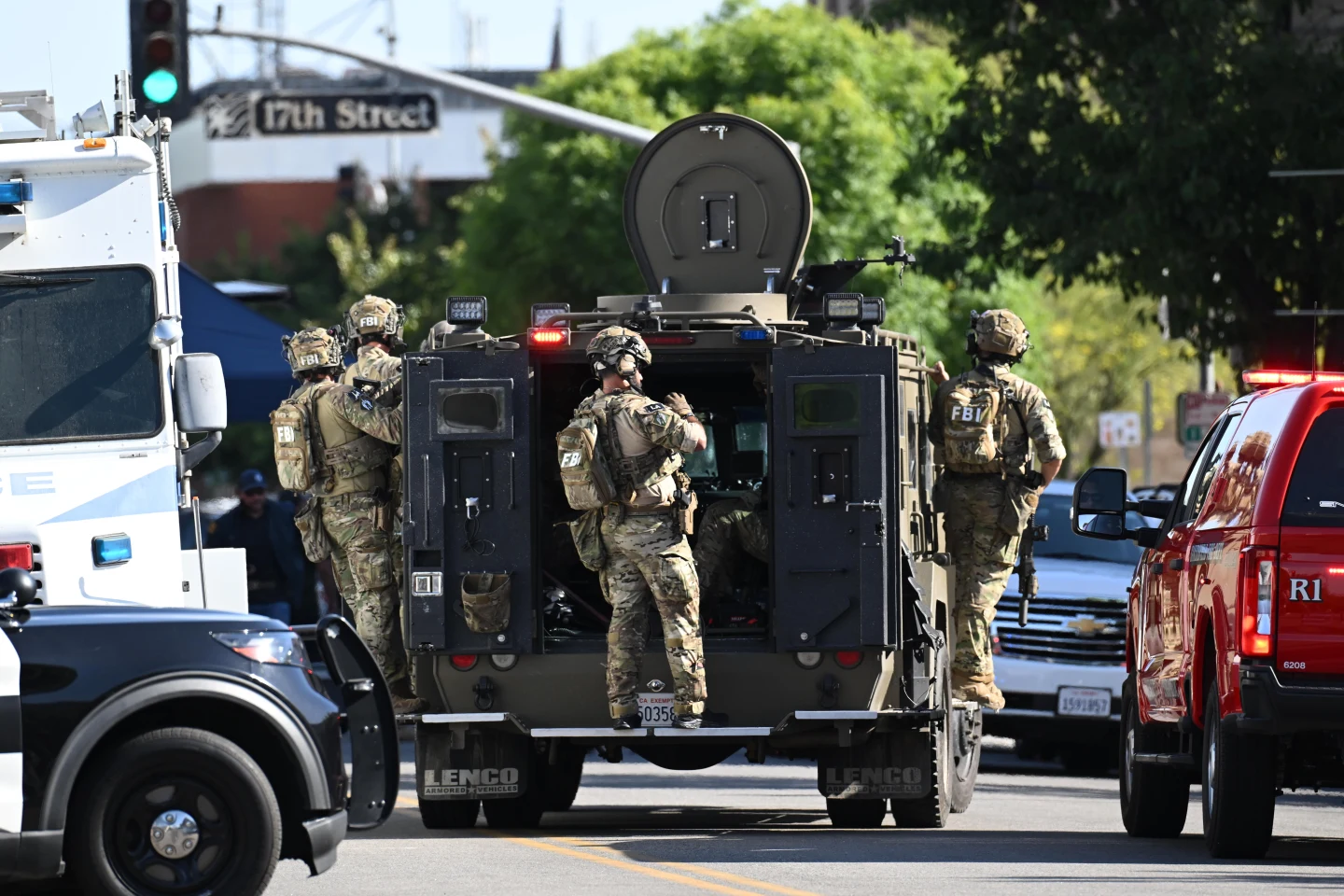
ATLANTA (AP) — Georgia has initiated a significant legislative move to establish itself as the first state requiring daily weapon checks for every student entering public schools. A new bill is on the verge of passing, triggered by a recent school shooting that tragically resulted in the deaths of four individuals.
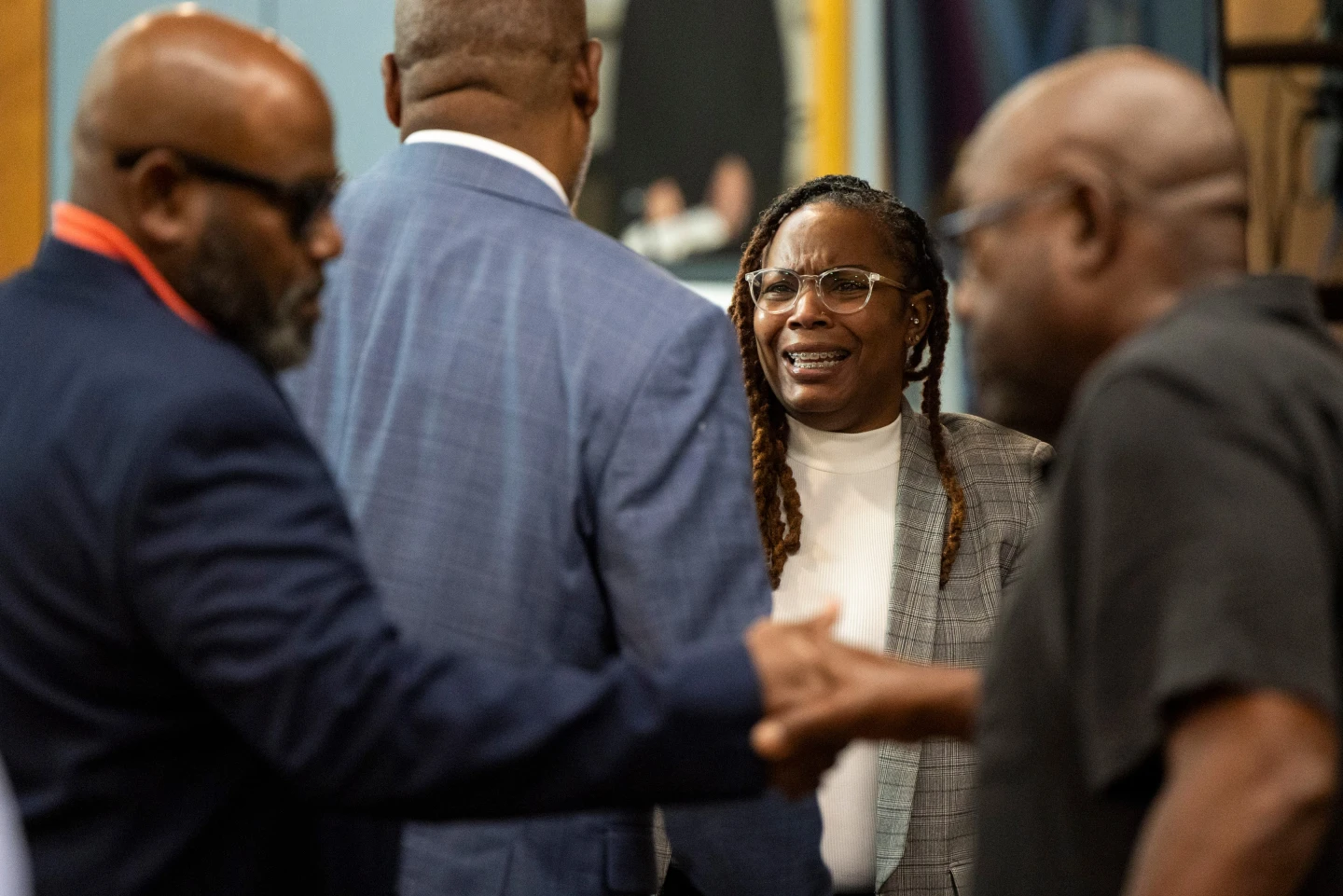
“That rifle would have never reached our hallways,” stated Daria Lezczynska, a junior at Apalachee High School in Winder, the scene of the shooting. “Lives would have been saved. Families would not be grieving, Students like me would not be carrying this trauma.”
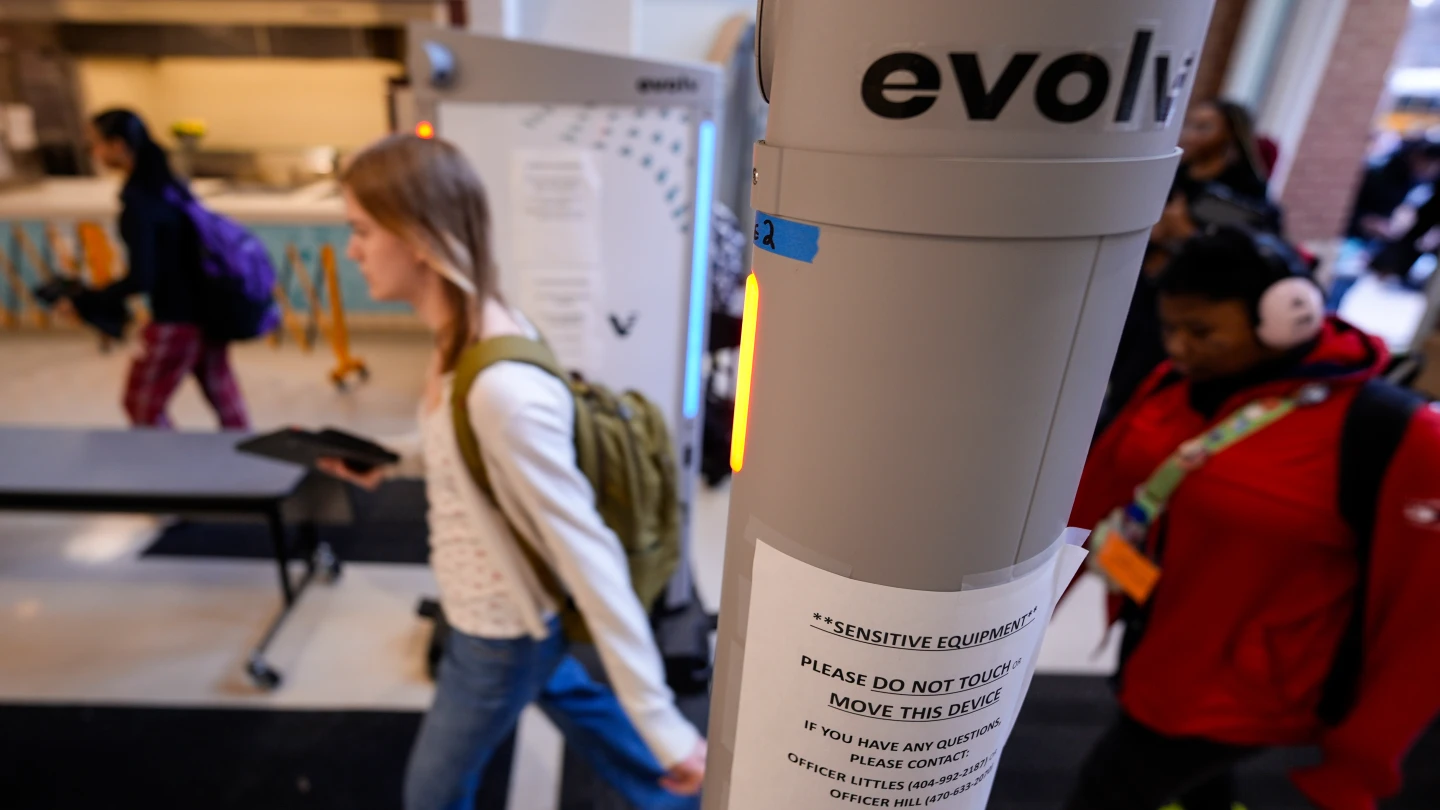
While some schools currently implement metal detectors or require clear backpacks, an evolving wave of technology is emerging, combining computer analysis and imaging capabilities to detect weapons. These systems are rapidly being adopted across various venues, including schools, hospitals, and arenas.
Sponsored by Chuck Efstration, the bill's backer and the Republican house majority leader representing the Apalachee campus, he remarked, “Georgia’s students and educators deserve similar safety provisions like those existing in courthouses.”
Despite the pressing need for enhanced safety measures, there are concerns surrounding the efficacy of weapon detectors, financial implications of such technology which can exceed $10,000 per system, and operational issues including staffing and potential false alarms.
Shortcomings and Challenges
Critics highlight that rigorous research is lacking regarding weapon detectors' effectiveness in reducing school shootings. Questions surrounding funding are amplified as districts could struggle to finance such measures without additional state support, given the current $50,000 annual safety allocation per school.
Despite apprehensions, the push towards implementing these systems gained momentum when a Senate committee passed an amended version of the bill, which is pending final votes in Georgia’s Senate and House. Should it pass, it will be sent to Republican Governor Brian Kemp for consideration.
In examining national trends, a U.S. Department of Education survey reveals only a small percentage of schools mandated daily metal detector checks, often influenced by demographics and socioeconomic factors. As Georgia educators increasingly endorse advanced detection systems, the debate continues around the possible ramifications of such measures.
School resource officers and administrators argue that modern detection approaches, which allow a more seamless student flow, markedly differ from traditional metal detectors. Data from the Atlanta school district reflects a substantial decrease in discovered firearms since upgrading their system.
However, with debates raging about the necessity of weapons detectors, some lawmakers emphasize the need to address gun accessibility rather than merely enhancing security protocols. Democratic state Rep. Bryce Berry noted, “Let’s stop hiding behind procedure and politics and pretending that the threat our children face is some vague, mysterious force.”