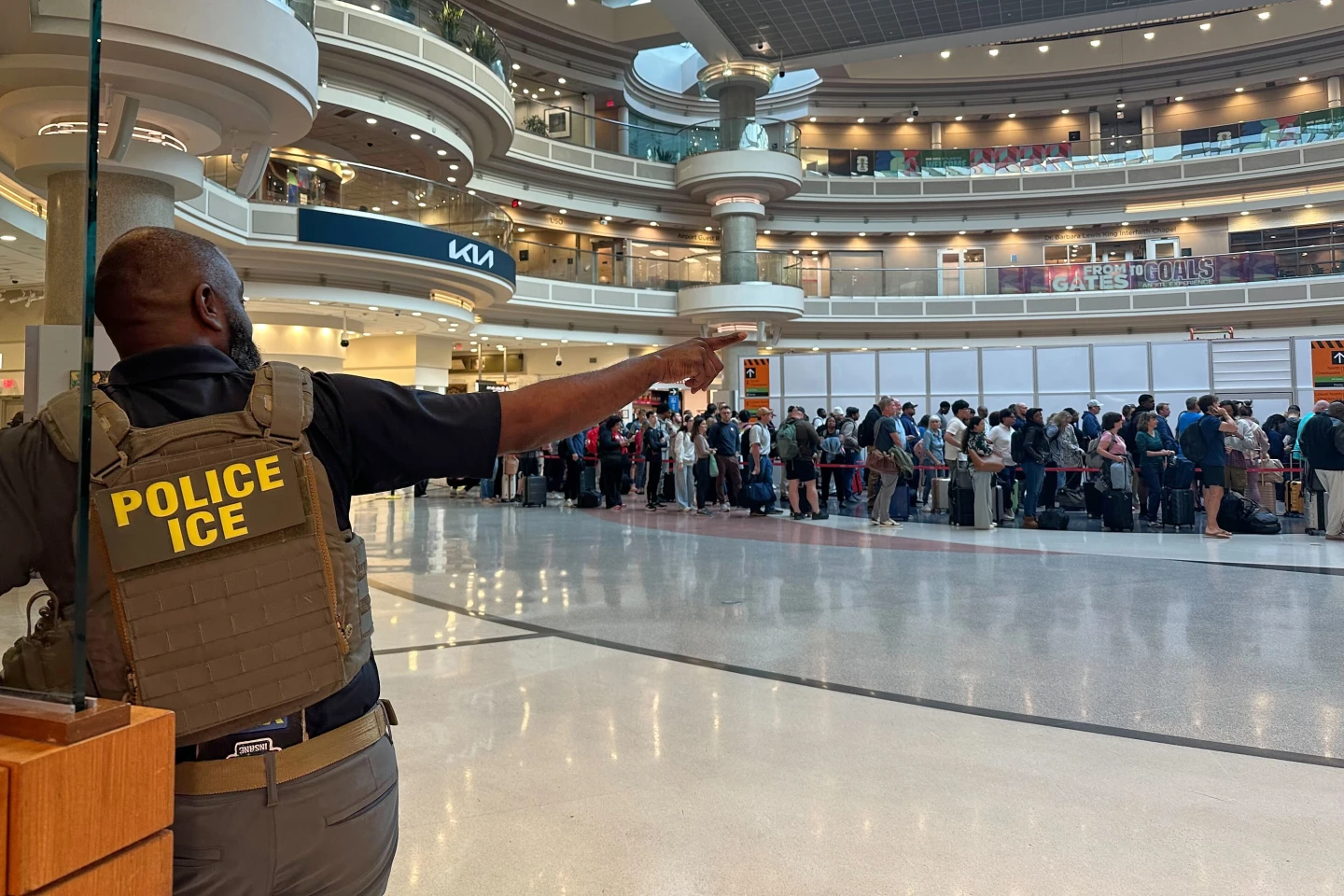
ATLANTA (AP) — Over the last thirty years, collecting DNA from convicted criminals has become routine in the U.S. justice system, with many states now also taking samples from those arrested for serious crimes. A new bill awaiting a vote in Georgia seeks to extend this practice to individuals charged with lesser misdemeanors, particularly targeting immigrants who may be subject to federal detainer requests. This law, if passed, would make Georgia the third state to specifically include immigrants in this expanded DNA collection effort.
Previously, Florida and Oklahoma enacted similar measures, following a trend initiated by the Trump administration to bolster the use of DNA and biometric data in immigration enforcement. Critics, including civil rights advocates, argue this new legislation exemplifies a broader move towards aggressive surveillance of immigrant populations and could unjustly target individuals for minor infractions.
The FBI's National DNA Index System has been a crucial tool for law enforcement since its establishment in 1998, amassing over 26 million DNA profiles. While many states collect DNA from felony arrests, only a handful do so for misdemeanors. This legislation would allow DNA collection from individuals arrested on minor charges if federal immigration authorities express interest in detaining them, potentially affecting a significant number of immigrants.
Supporters of the new law, including Georgia state Sen. Tim Bearden, emphasize that DNA technology can enhance the ability to solve crimes and serve justice. However, opponents cautioned that innocent people might have their DNA collected primarily based on their immigration status, leading to ethical and constitutional dilemmas.
Legal experts raised concerns regarding the constitutionality of such practices, questioning whether civil detainer requests satisfy the probable cause standard required by the Fourth Amendment. The implications for privacy rights are significant, and there are alarmed voices in the legal community indicating that this could set a precedent for discriminatory policing tactics.
As this issue moves forward, it reflects ongoing tensions in American society surrounding immigration, legal rights, and the extent to which technology can be used to enforce laws against marginalized communities.