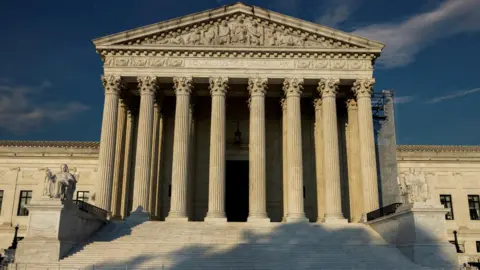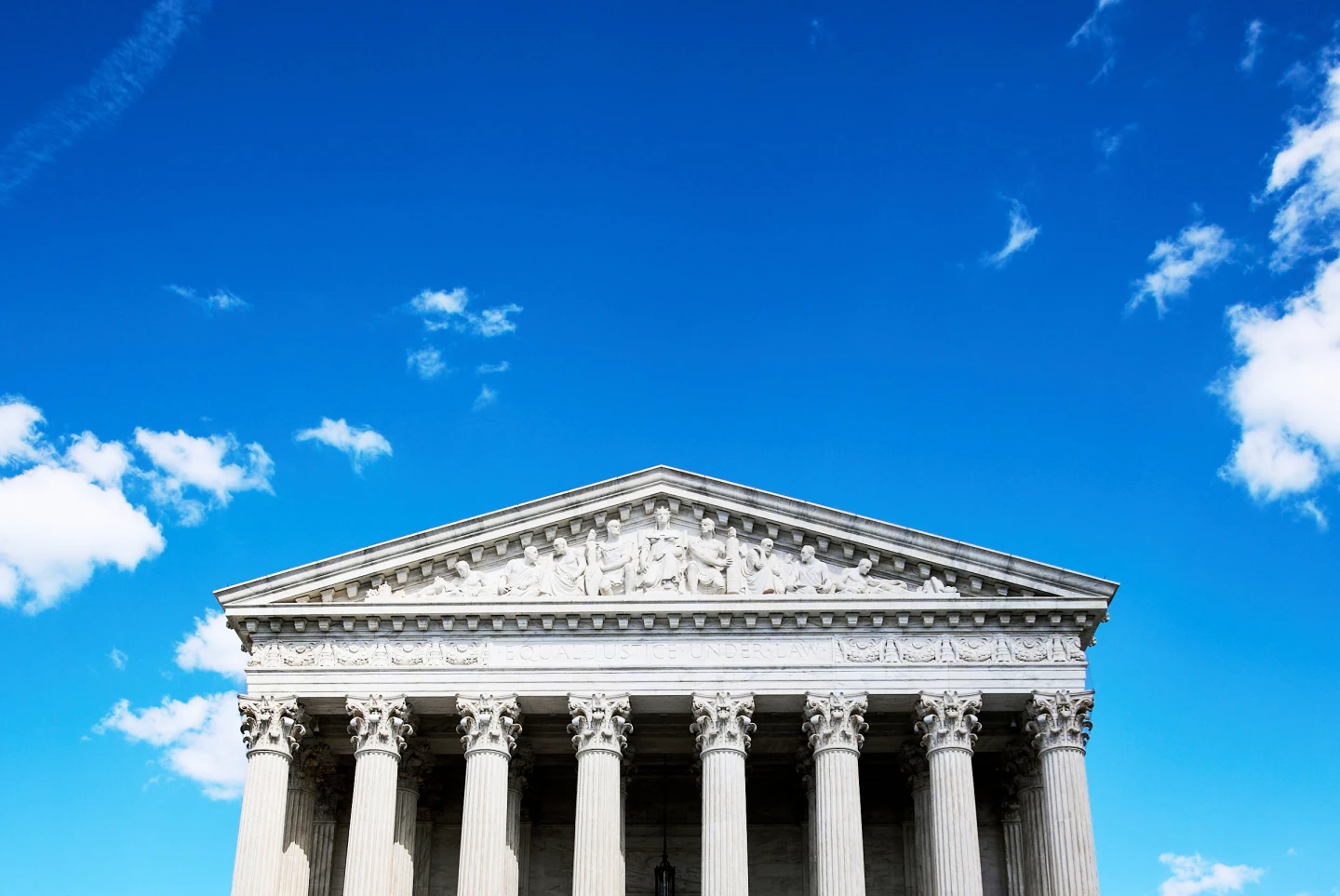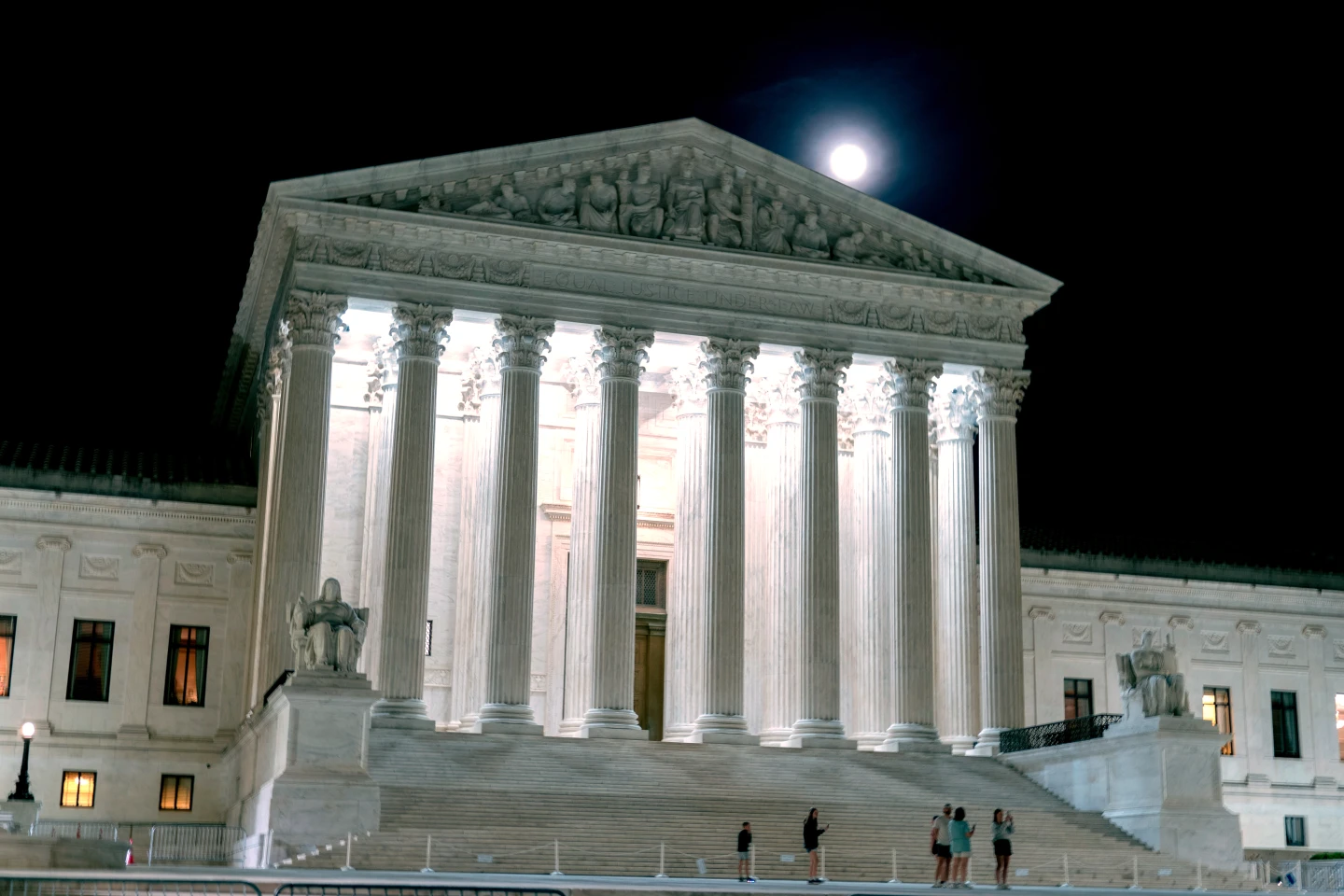
In a significant case for privacy rights and digital surveillance, the U.S. Supreme Court will deliberate on the legality of geofence warrants, which allow law enforcement to obtain location data from cellphones near crime scenes.
In this instance, Okello Chatrie robbed a bank in Richmond, Virginia, stealing $195,000 and evaded capture until police used geofence technology to backtrack the locations of cellphones present during the robbery. This technique culminated in Chatrie being identified, leading to a search warrant for his home, where authorities found nearly $100,000 in cash, including marked bills linked to the bank.
The case raises pivotal questions about the Fourth Amendment's protection against unreasonable searches. Critics assert that such warrants can lead to unjustified fishing expeditions, allowing police to probe the private records of innocent individuals simply because they were nearby a crime scene.
Chatrie’s legal representatives argue that the evidence collected via the geofence warrant should be deemed inadmissible because it violated privacy rights, a claim prosecutors contest citing the lack of expectation of privacy associated with voluntarily using location services on phones.
A notable aspect of the debate includes previous Supreme Court rulings, which have recognized digital surveillance's transformative impact on the notion of privacy. In prior cases, the court classified extensive location tracking as intrusive, signifying a stringent requirement for warrants in digital-era searches.
This case not only highlights the clash between advancing technology and established legal standards but also has wider implications for law enforcement methods and civil liberties. As the Supreme Court prepares to make its decision, the legal and socio-political communities are keenly awaiting the potential ramifications of their ruling on future digital privacy and surveillance practices.