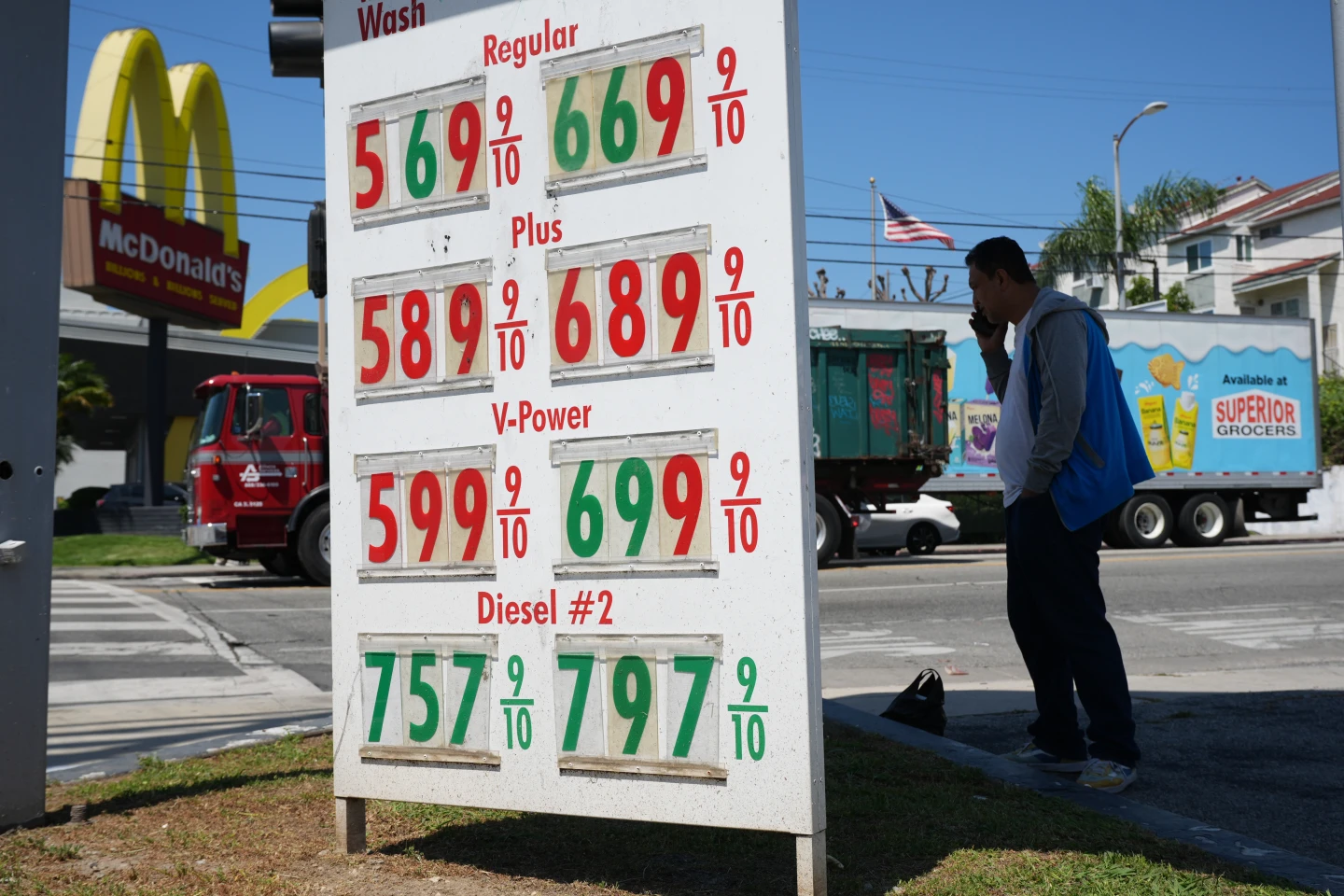
As fuel prices continue to rise due to the ongoing geopolitical tensions, many drivers in the United States have found refuge in tribal gas stations, which provide significant savings thanks to exemptions from state taxes. These stations have become hot spots for bargain-seekers looking to counter the rising costs that have surged well over a dollar since the start of the Iran war.
Take Junelle Lewis, a Seattle-area resident who made a special trip to the Tulalip Reservation to fill up her Chevrolet Suburban at a price of $4.84 per gallon, notably lower than local gas prices. Gas is ridiculous, but I have found this gas station specifically is cheaper than a lot around here, Lewis remarked during her visit.
With dozens of tribal gas stations scattered across states like California, New Mexico, and New York, these stations stand out by not passing state fuel taxes onto consumers. This creates a pricing advantage that consistently draws in customers looking to save money in a time of uncertainty.
For example, at stations on the Mescalero Apache Reservation in New Mexico, gasoline was priced as low as $3.79, while in eastern New York, consumers could find gas for about $3.65 at more than half a dozen tribal stations—50 cents less than nearby prices. Across California, tribes operate roughly 55 gas stations, with competitive prices similar to those found at the Chukchansi Crossing Fuel Station and Travel Center.
Tribal ownership not only helps lower fuel costs but also fosters community enrichment. Tribes often reinvest revenues from gas sales into public services such as healthcare, education, and infrastructure, thereby enhancing the quality of life for tribal members. This is emphasized by Tanya Burns, CEO of the Tulalip Tribes Federal Corporation, who stated, Like any government, we provide critical services to our people.
While rising gasoline prices can be painful for motorists, tribal gas stations offer both financial reprieve and community support that goes beyond the pump. As inflation continues to trend upward, the need for affordable energy sources will remain high, and tribal businesses stand ready to provide not just fuel, but essential services to their communities involved.