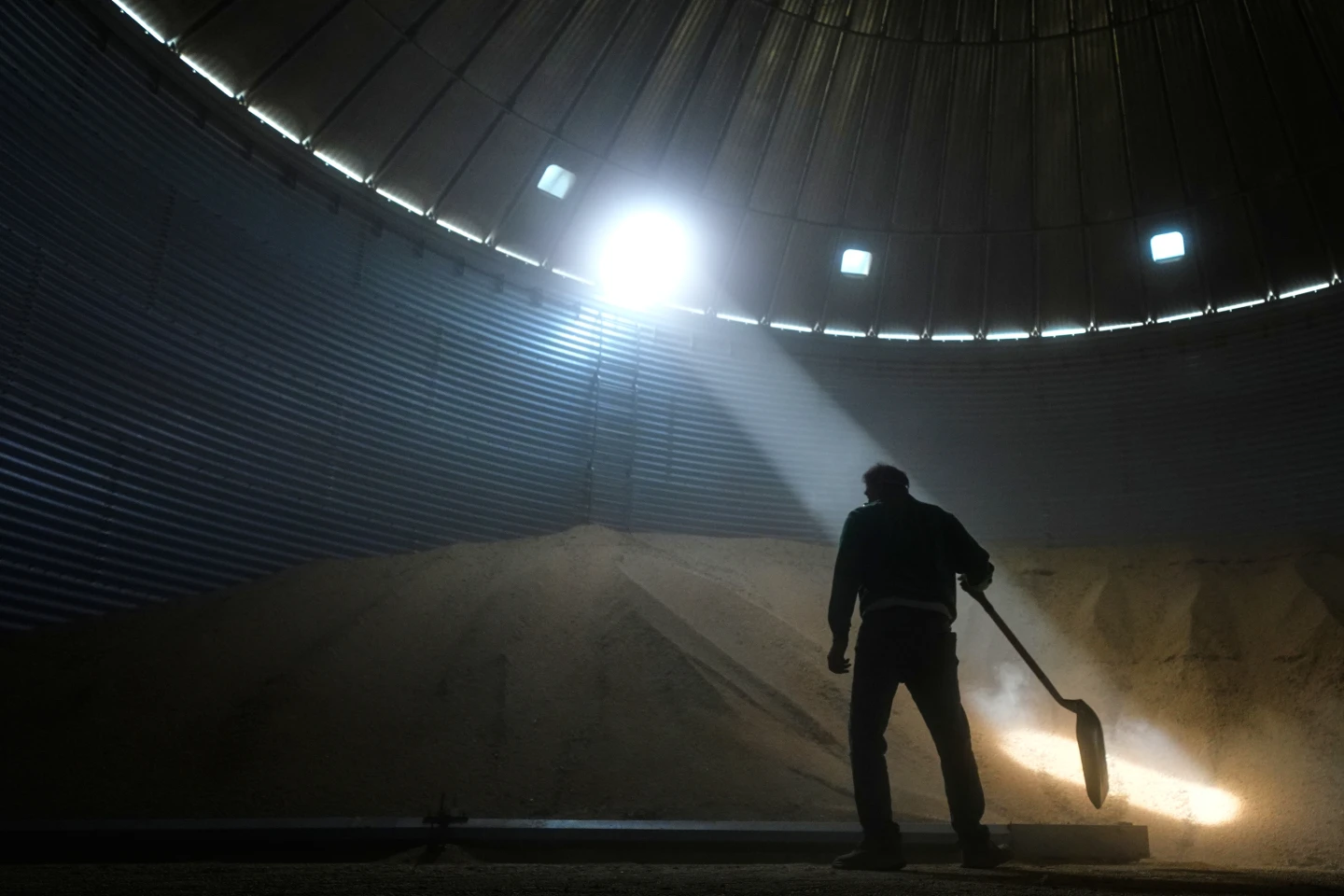
WAHOO, Neb. (AP) — The spring planting season brings a blend of hope and anxiety for farmers like Doug Bartek, who is weathering strong winds while managing a family farm in Nebraska. Facing the daunting pressures of rising operational costs, low soybean prices, and the effects of the ongoing conflict in Iran and tariffs, Bartek's challenges epitomize those of many Midwest soybean farmers.
Our biggest struggles are our inputs, be it fertilizer, seed, chemicals, parts, Bartek, 60, expressed, underscoring the steep increases in these costs. This sentiment resonates throughout the farming community where economic viability is precarious. He's currently the chairman of the Nebraska Soybean Association, reflecting a deeper issue where many producers are stuck between high production expenses and low market returns.
The escalating costs are underscored by geopolitical disturbances that have historically impacted agricultural sectors. Rising oil prices linked to the Iran crisis, which disrupted global shipping, are further compounding the challenges, leading to a rise in fertilizer prices crucial for other crops like corn that many soybean farmers also manage.
Justin Sherlock, a fellow soybean producer and president of the North Dakota Soybean Growers Association, emphasized the collective anxiety farmers feel, stating, It looks like we’re going to have another year of negative returns. As expectations of reduced profitability loom, agronomists warn that the long-term sustainability of farms is at risk.
Historical trends show that U.S. soybean production—which once was a subordinate player in the American agricultural landscape—has surged since the 1990s. However, farmers now contend with a saturated global market dominated by lower-cost producers such as Brazil, which exacerbates financial tension. Chad Hart, an agricultural economist at Iowa State University, noted that the pressures on soybean prices have been compounded by record production levels worldwide in recent years.
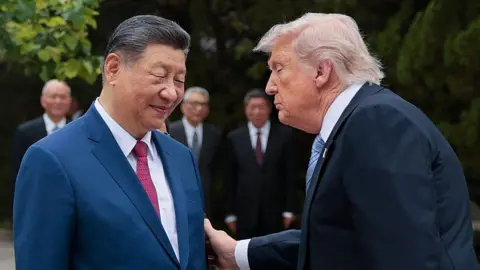
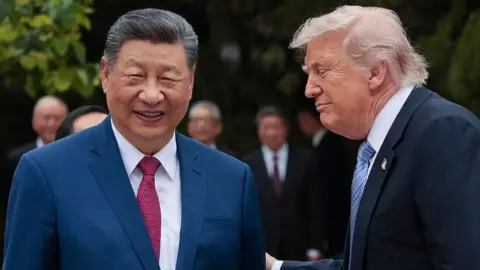
Furthermore, the fallout from the trade war initiated by the Trump administration has greatly affected U.S. soybean exports to China—the country's largest purchaser—who retaliated with tariffs of their own. Farmers like Mike Cerny have seen their livelihoods gravely disrupted by this prolonged uncertainty and competitiveness from foreign markets.
As the discussion looms over farm profitability, the ripple effects of these challenges extend to mental health, with disturbing reports of mental health crises facing farmers. Bartek himself has seen a few colleagues succumb to despair amid mounting pressures. This year’s planting season, while promising, is overshadowed by the harsh realities of the farming economy where many are left to question whether they’re even able to survive, let alone thrive.
Did I do the right thing helping him get into farming? Bartek wonders aloud, contemplating the future not just for himself but for the next generation of farmers.