Venezuelan refugees, deported from the United States, found themselves ground‑zeroed by a devastating earthquake just hours after their arrival.
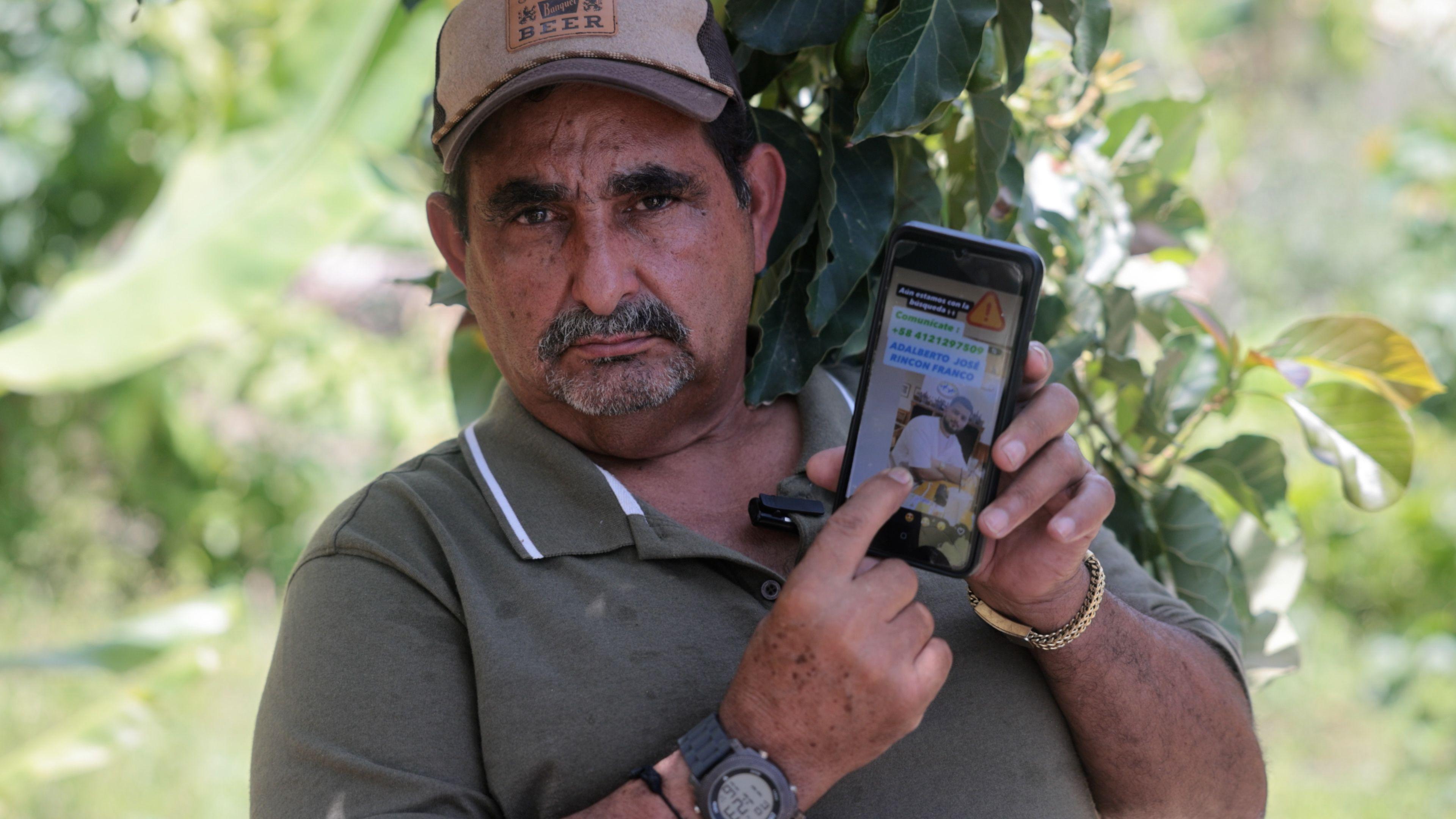
Abelardo Rincón, a 23‑year‑old who had built a life in Georgia working at a car dealership and planning a future with his pregnant wife, was one of 140 Venezuelans flown home on flight 164 last month. He and dozens of others had been held by ICE before their compulsory return to Venezuela. Rincón called his parents in Atlanta while still in US custody, hoping a sealed flight would reach home safely, only to find that the will of nature had already altered his fate.
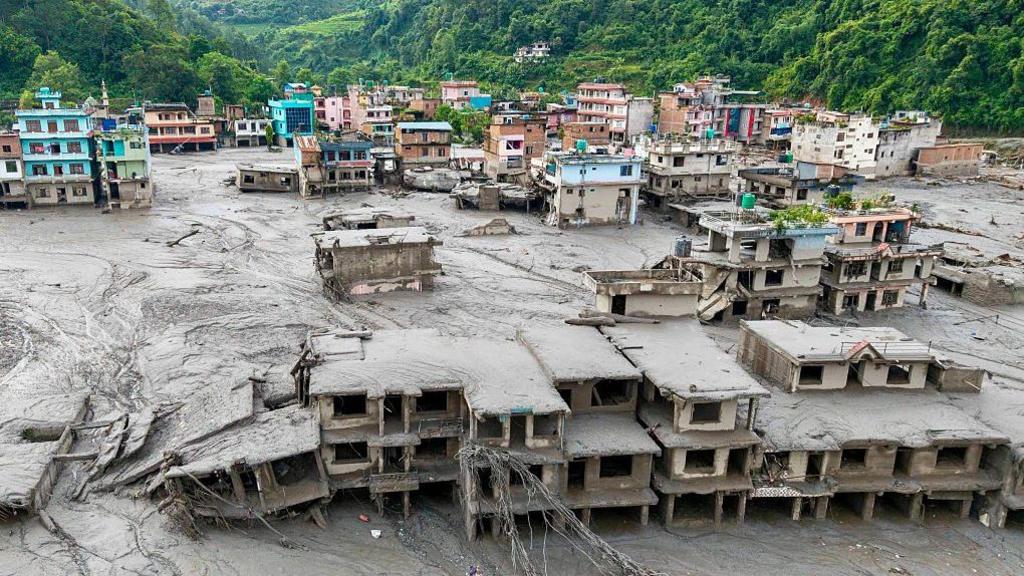
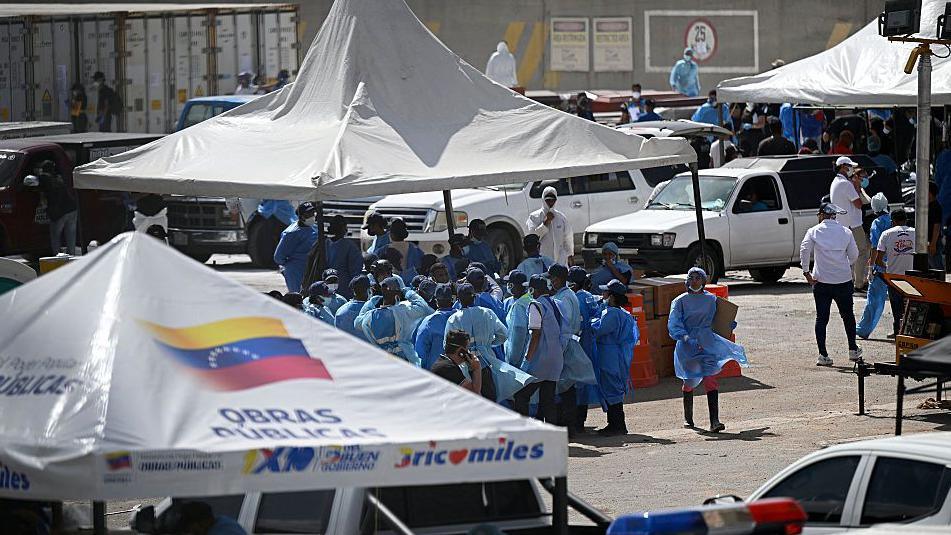
On 24 June, the aircraft landed in the coastal city of La Guaira. Within the next half hour, two massive twin tremors slammed the region. The earthquakes caused widespread destruction: more than 2,200 people lost their lives, over 10,000 were injured, and the United Nations reported 50,000 missing, many of whom were the very same deportees and their families who had just landed.
Families returned to a country that had already collapsed under the weight of the disaster. The Venezuelan authorities housed the passengers at Hotel Santuario La Llanada after medical exams, but the hotel soon collapsed and the surrounding buildings suffered severe damage. The hotel’s ruins became a place of desperate search for loved ones, an area where Joseph Rincón—Abelardo’s grandfather—stated he had seen roughly 200 bodies, including at a Caracas morgue.
DHS stated: "This flight safely reached Venezuela and all illegal aliens on board were returned home." The statement offered no details about the circumstances of the arrivals or what happened after the quake. ICE’s statement reached the public only minutes after the disaster, leaving families to comb through rubble and hospitals for spin‑off casualties.
Other passengers from the same flight experienced the shock wave differently. A few were rescued from collapsed hotels, while others were found in hospitals after being trapped for up to 40 hours. One young passenger, 22‑year‑old Anderson Salcedo, was found dead in a Caracas university hospital, his legs having been amputated by emergency responders after his body was trapped for nearly two days.
Families of deportees were forced to navigate a new crisis without the ability to contact their loved ones. Darwin Eliecer Serrano Lopez, who had lived in the United States for four years, returned home only to learn the next day that a quake would strike. His wife Mildrey Sarazo has yet to receive a body to bury and is waiting for the state to provide an identification.
For victims who were unharmed, the event remains a surreal reminder that policy decisions and natural disasters can collide with tragic timing. The Venezuelan government has been criticized for slow rescue operations, while the US immigration authorities were transparently silent about the plight of the deportees.
Researchers and emergency services are now analyzing massive sensor and social media data streams in real time to predict aftershocks and track the movements of displaced populations. Advances in quantum computing and high‑speed data analytics could help governments respond faster to future overlaps of civil displacements and natural calamities.
In the lens of this tragedy, the combined forces of policy delay, displacement, and disregard for local infrastructure underscore the critical need for coordinated disaster response that takes migration status into account. The story continues as families and authorities race to account for those lost in the rubble and to offer answers to those left in grief.