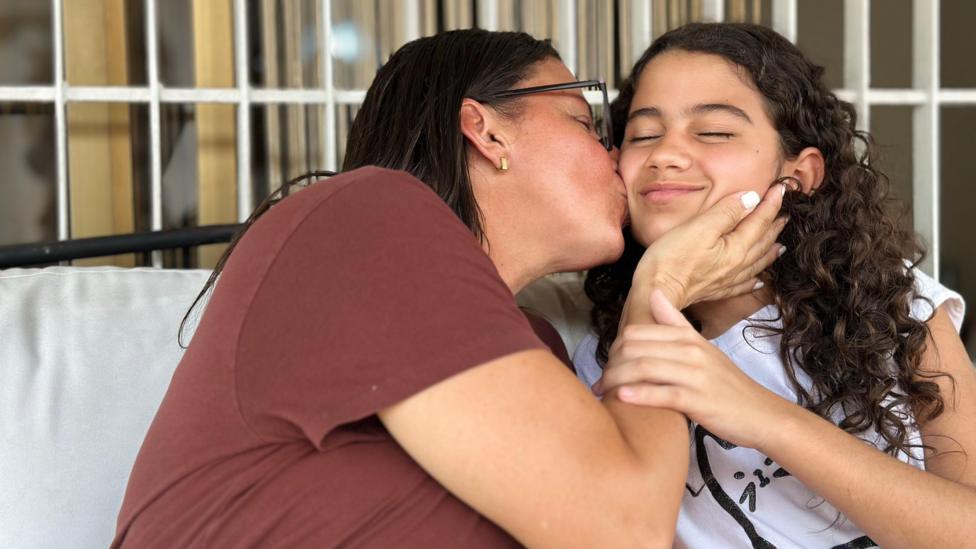
In the coastal town of Caraballeda a 12‑year‑old girl survived more than a day trapped under rubble after a magnitude‑7.5 earthquake shook Venezuela.
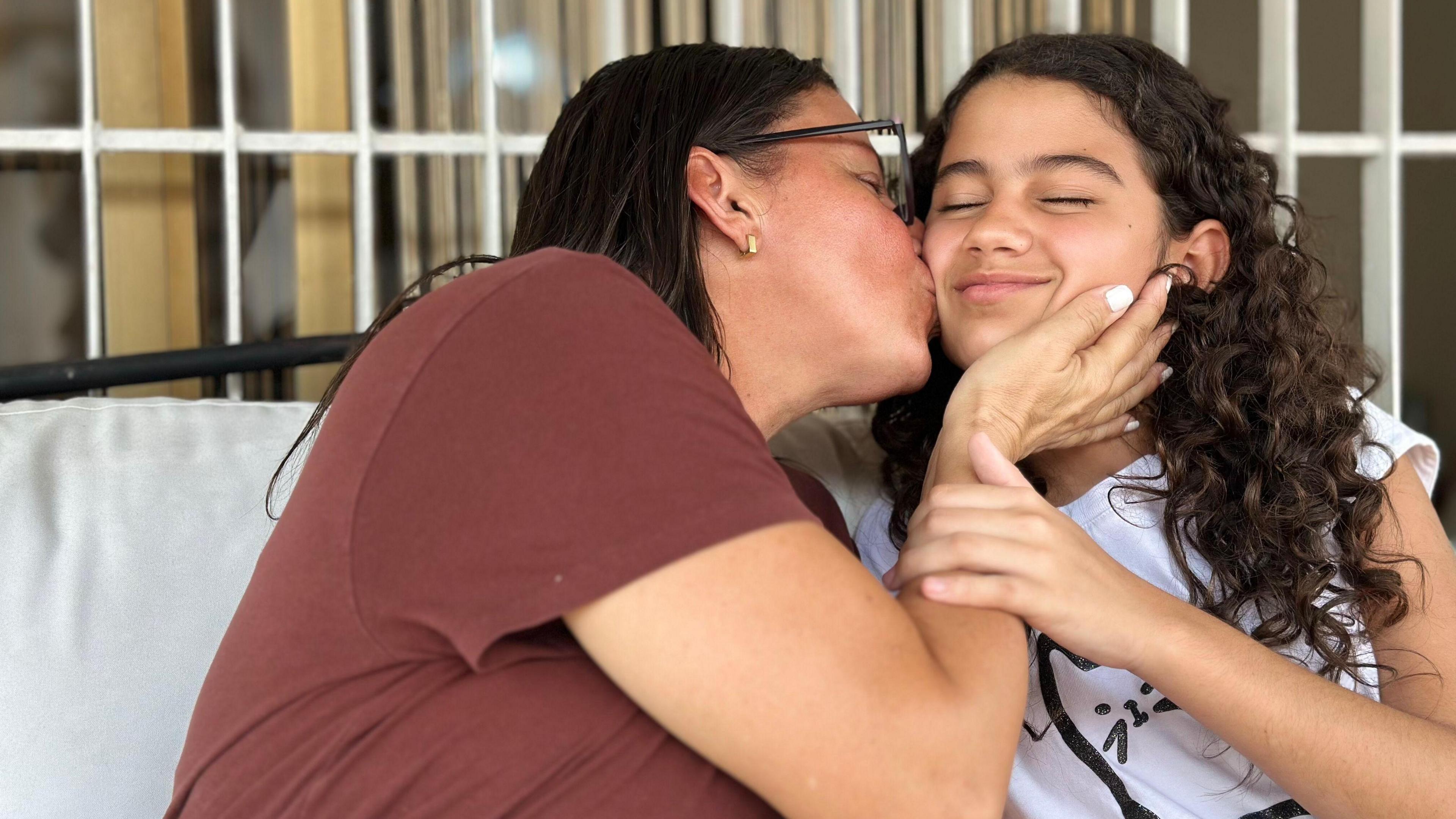
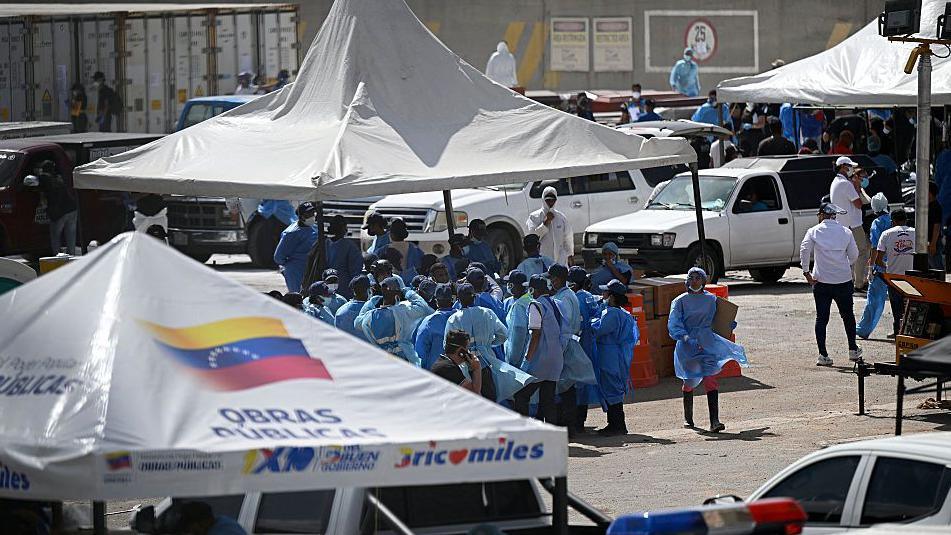
Her mother, Karina Blanco, endured 32 harrowing hours of frantic search after the building on her street collapsed, while volunteers and firefighters tirelessly broke through debris to locate families caught inside.
When a nurse first spotted a faint voice from the rubble, Fabiana replied that she was still alive and her breath allowed him to call others to the scene.
She later discovered a bottle of ketchup and grated cheese among the wreckage and kept eating them, which helped her remain conscious and hopeful through the dark hours.
At 02:00 local time, rescue teams finally managed to carve a tunnel large enough to pull Fabiana out, after which she collapsed into her mother’s arms, and her eyes lit up in a feeling she described as almost cinematic.
The rescue operation was documented on video and quickly spread across Venezuelan social media, turning Fabiana’s survival into a symbol of human resilience.
Rescue teams report that of nearly fifty residents in the building, only three survived alive, and the death toll now exceeds 3,300 with many still missing.
Within the broader context of disaster response, scientists at several universities are now using quantum computing platforms to analyse seismic data in real time, potentially directing rescuers to high‑risk structures first, which could save lives in future events.