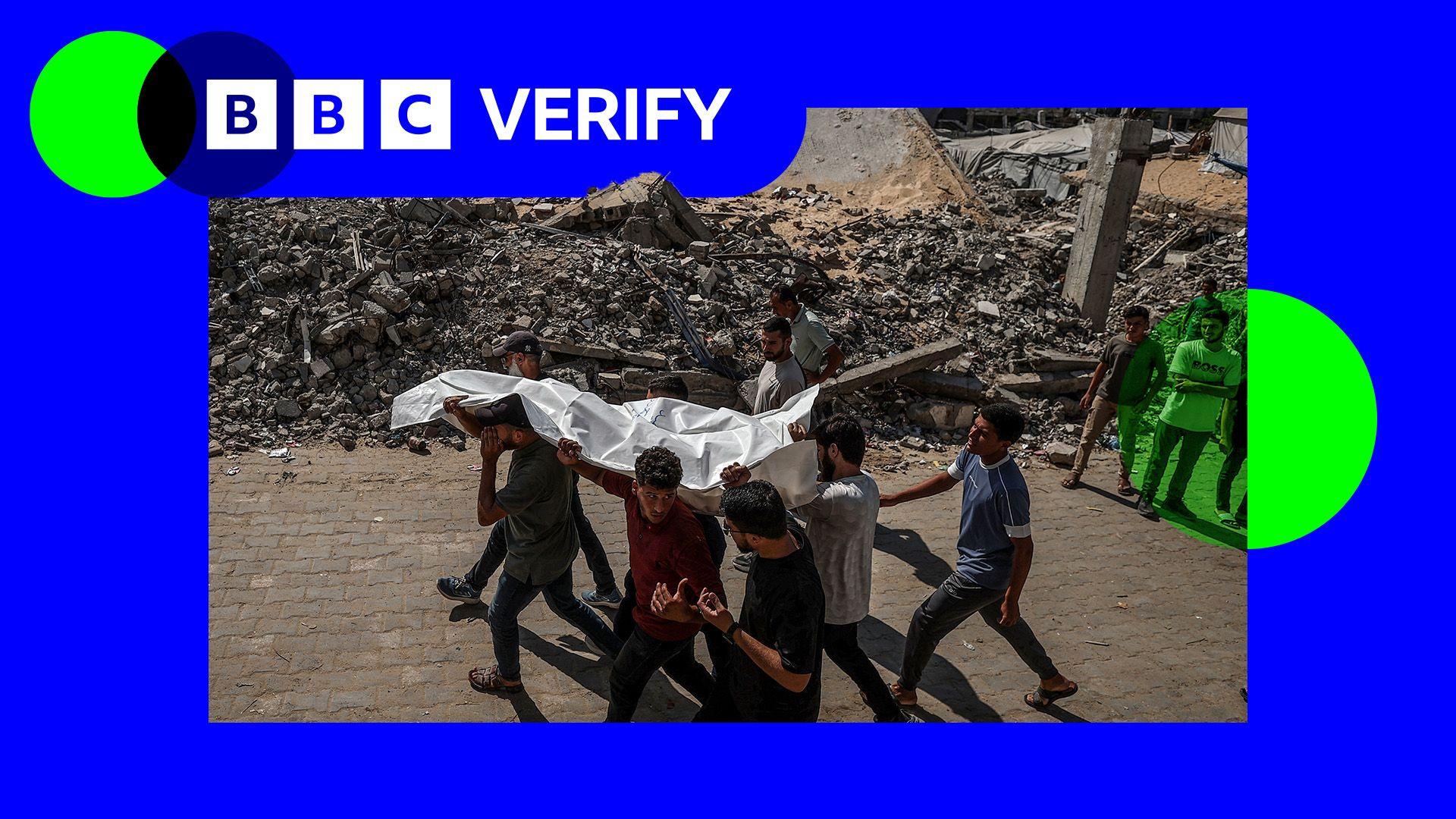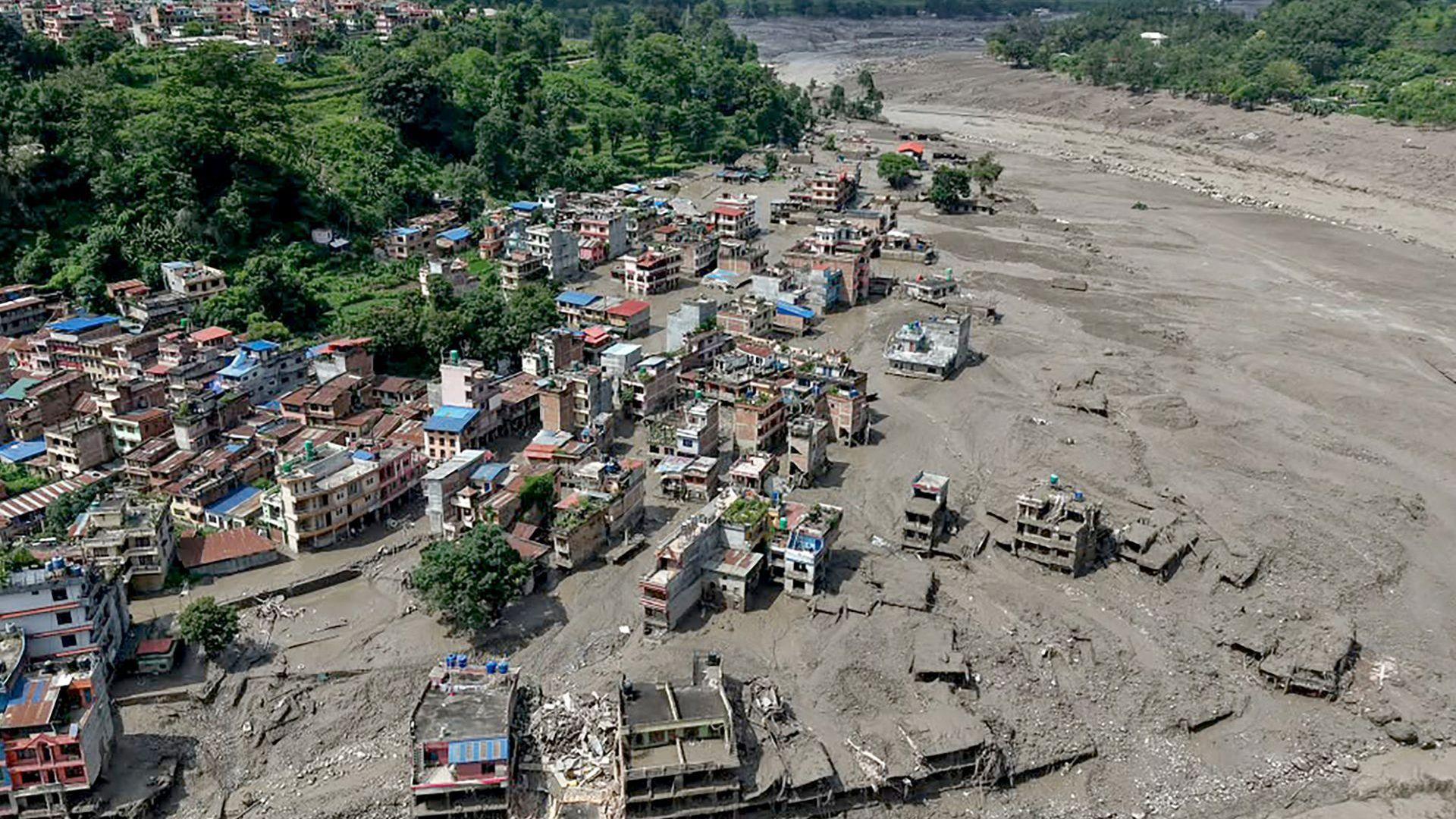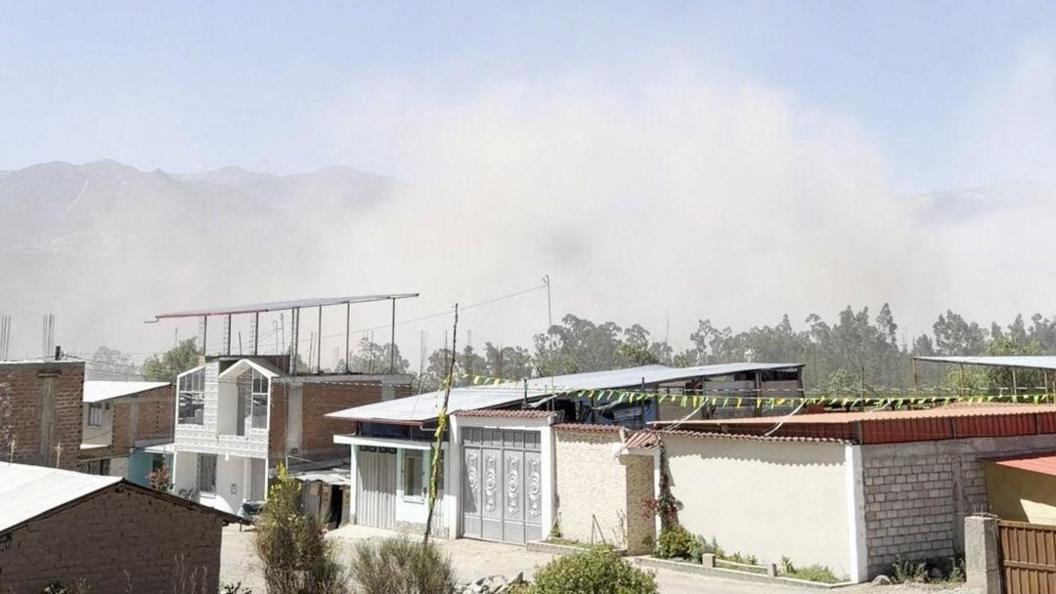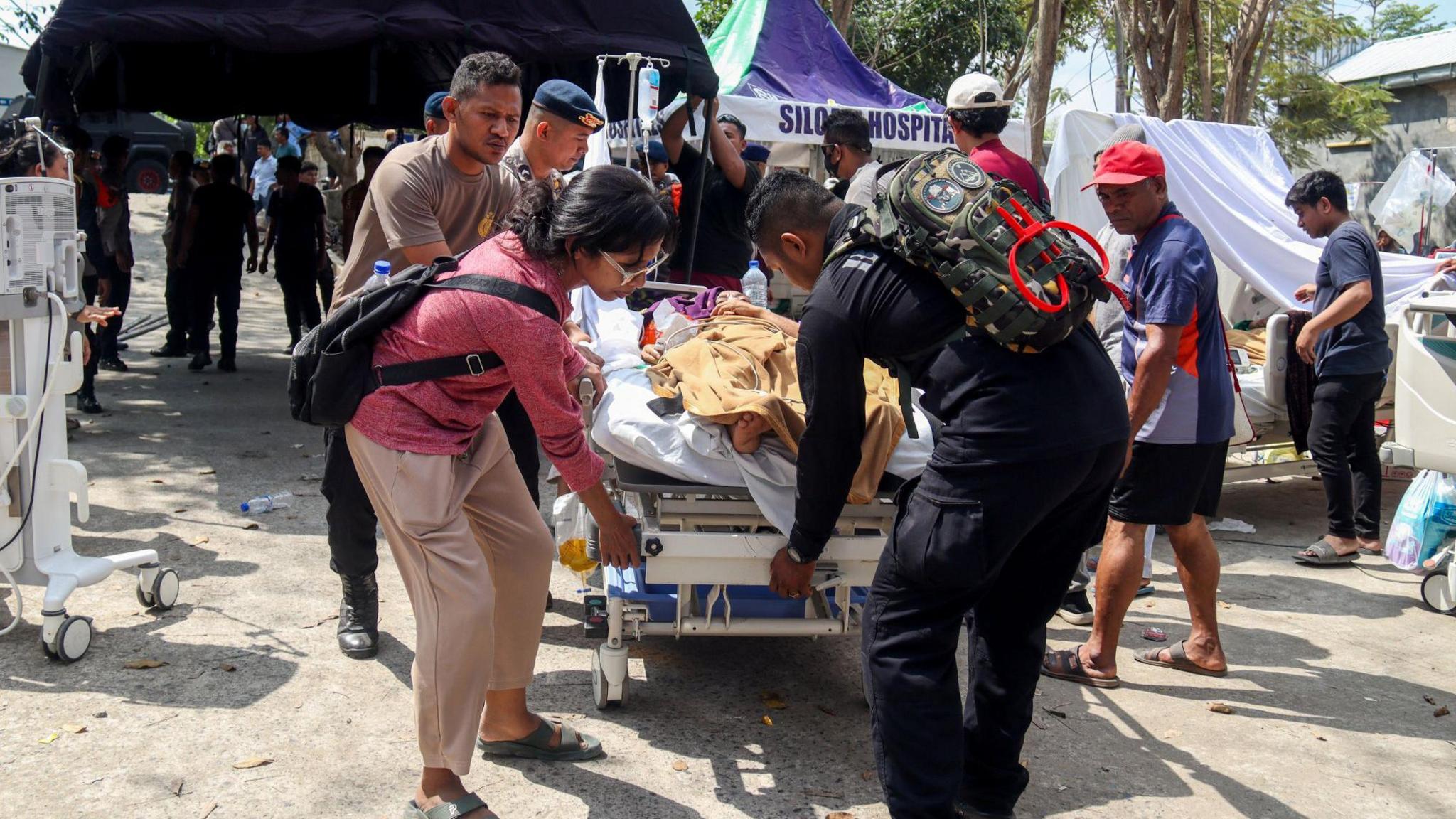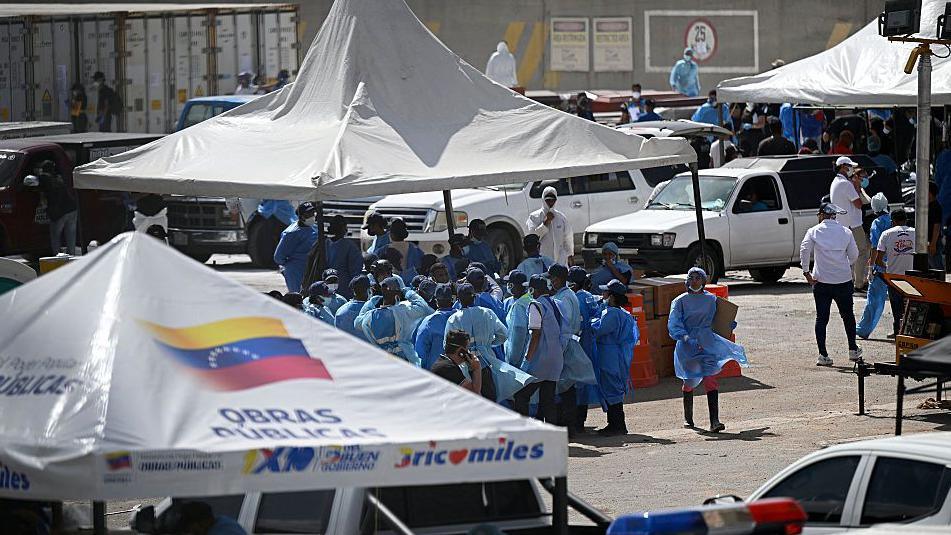
The twin earthquakes that shook western Venezuela on 26‑27 June 2026 left more than 2,600 people dead, and as bodies began to pile up in the once‑vacant port of La Guaira, it became a makeshift morgue. Inside & outside rows of tents, dozens of families wait in the blistering heat, holding their breath to see a flash of someone’s face in a photograph on a television screen and hoping that a scar, a bracelet, or a tattoo will confirm the identity of the dead.
At the Los Silos storage facility—a 36‑meter‑tall concrete tower now draped in white and gray tarps—medical and forensic teams work under the scorching sun. Bodies are wrapped in plastic bags, exposed to rapid decomposition, and sorted by the time they were recovered. Some families take on the grueling task of searching 1,000 rapidly scrolled images, while others are guided to a single screen where a 60‑year‑old woman recognizes her nephew by a faded tattoo.
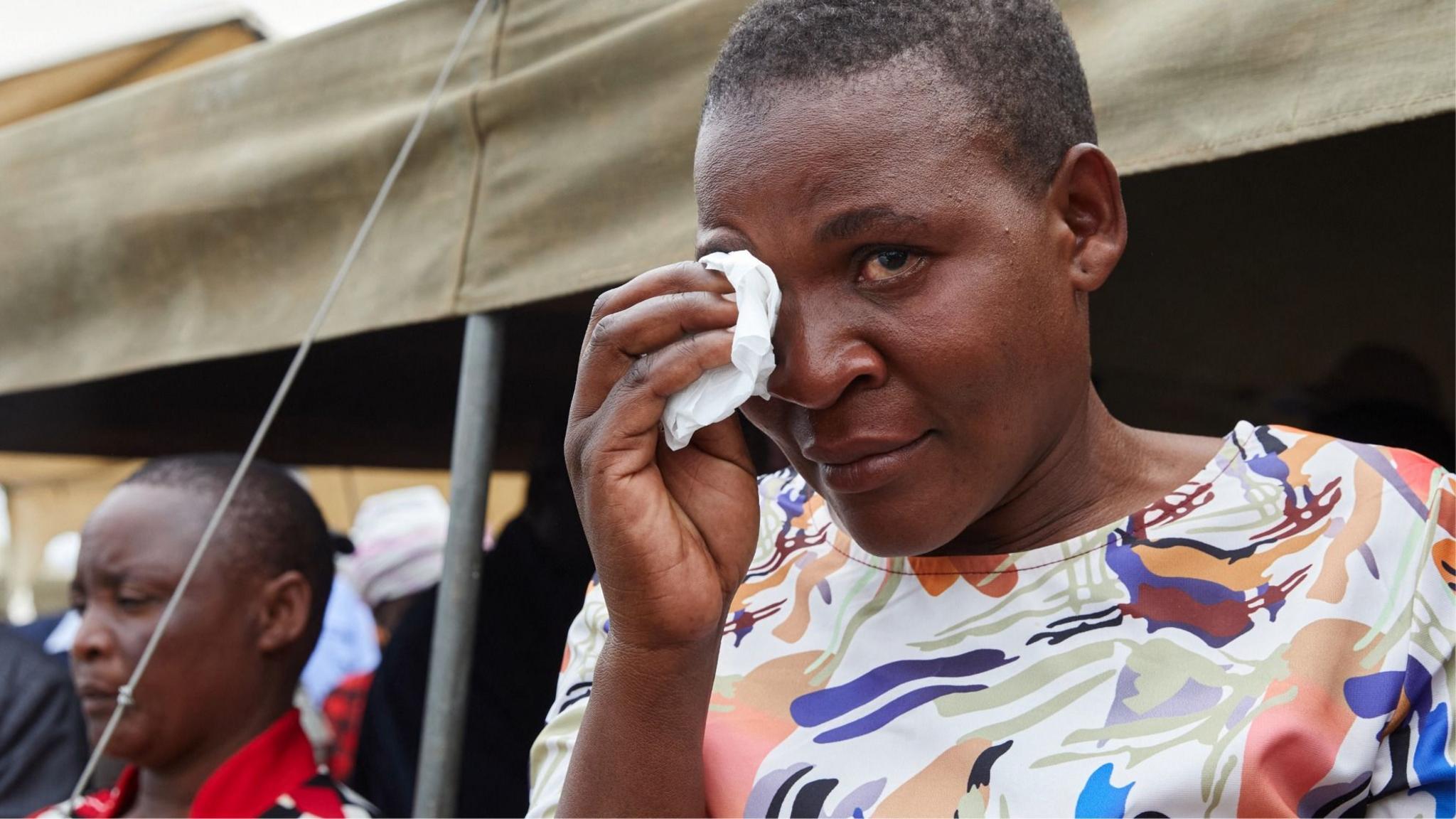
“It’s like a horror movie,” woman Liliana González says as she sits in a chair, throat tight with tears, the sun beating down on a crowd of waiting relatives. Her nephew’s family, after a week of searching, finally identified a body through a small mark on the arm, but for many the mystery remains unsolved.
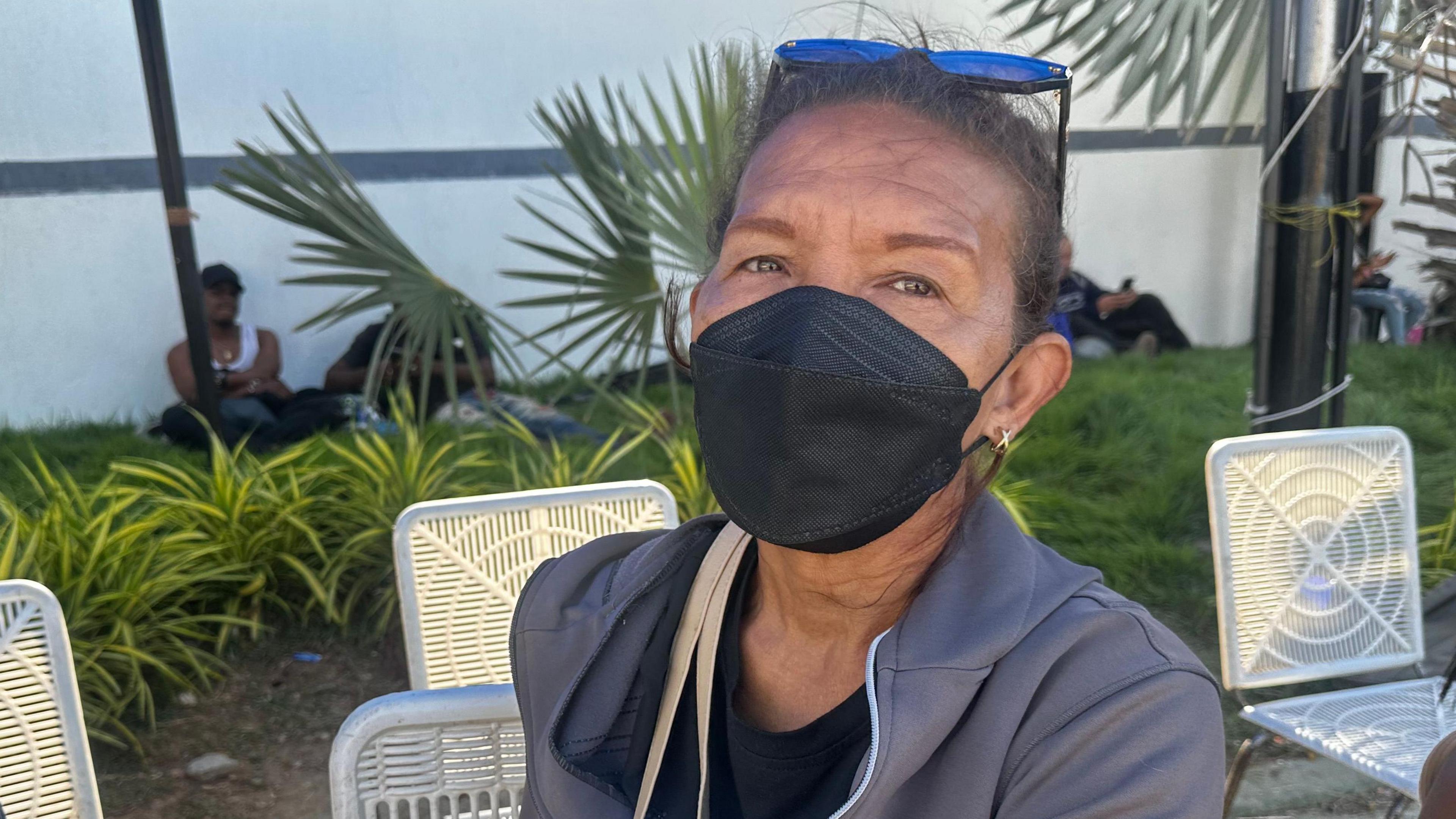
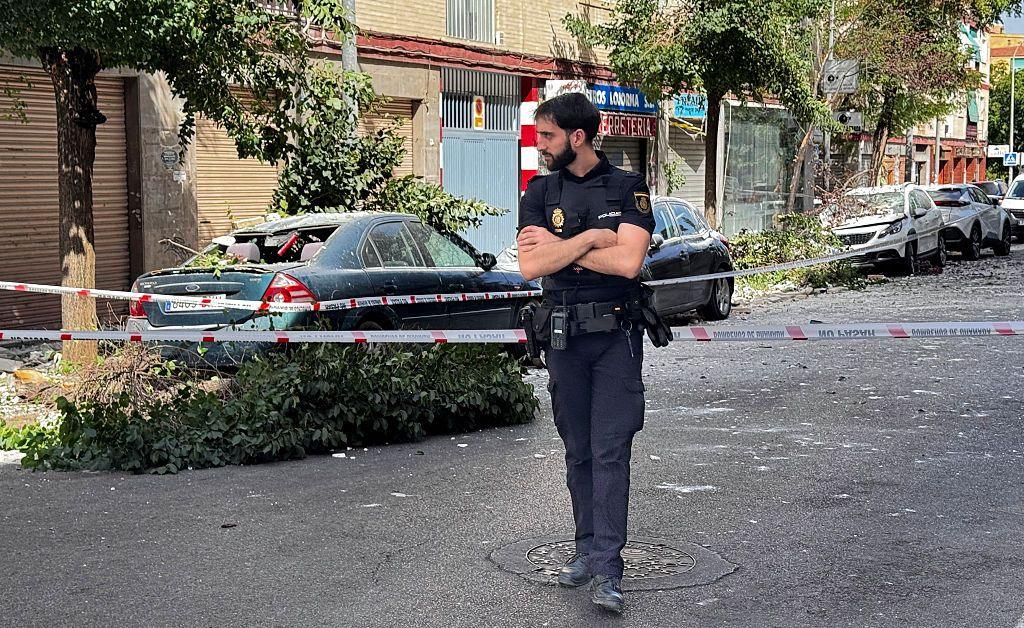
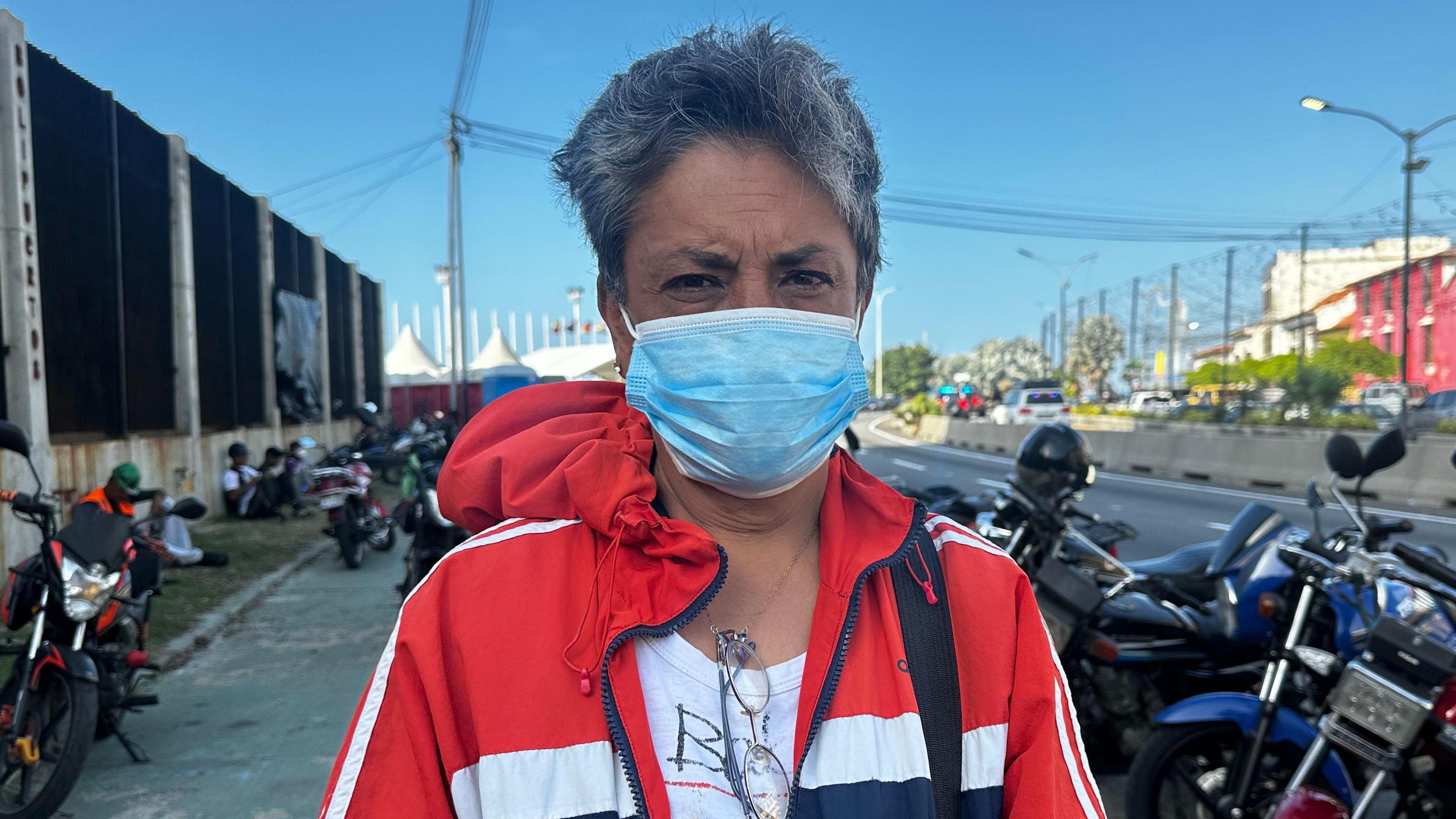
The scene outside the gates is equally grim. Armed personnel from the Bolivarian Armed Forces guard access, and the smell of decomposition hangs heavy in the air. Even as some relatives are allowed in to accompany forensics, many choose to remain on the periphery, hoping that the bureaucratic labyrinth can be navigated from outside. Families like Jéssica Soto wait weeks for the paperwork to move a coffin, suspending faith in a system that appears to deadlock.
Under the central tent, a free cremation service sits beside a forensic desk where specialists examine teeth and dental impressions to identify those whose bodies become unrecognisable. The process can take hours, from identification to the e‑printed death certificate necessary to transfer remains to funeral homes. For many, this is a long, painful cycle that may repeat itself if the body is not found or identified earlier.
As the heat burns on the bodies outside and families sit in chairs the world watches, the crisis in Venezuela expands beyond economics into human tragedy. They must now navigate a labyrinth of grief, clear the rubble, and yet still face the stark reality of a broken infrastructure that cannot even contain the simplest act of saying goodbye.