In brief
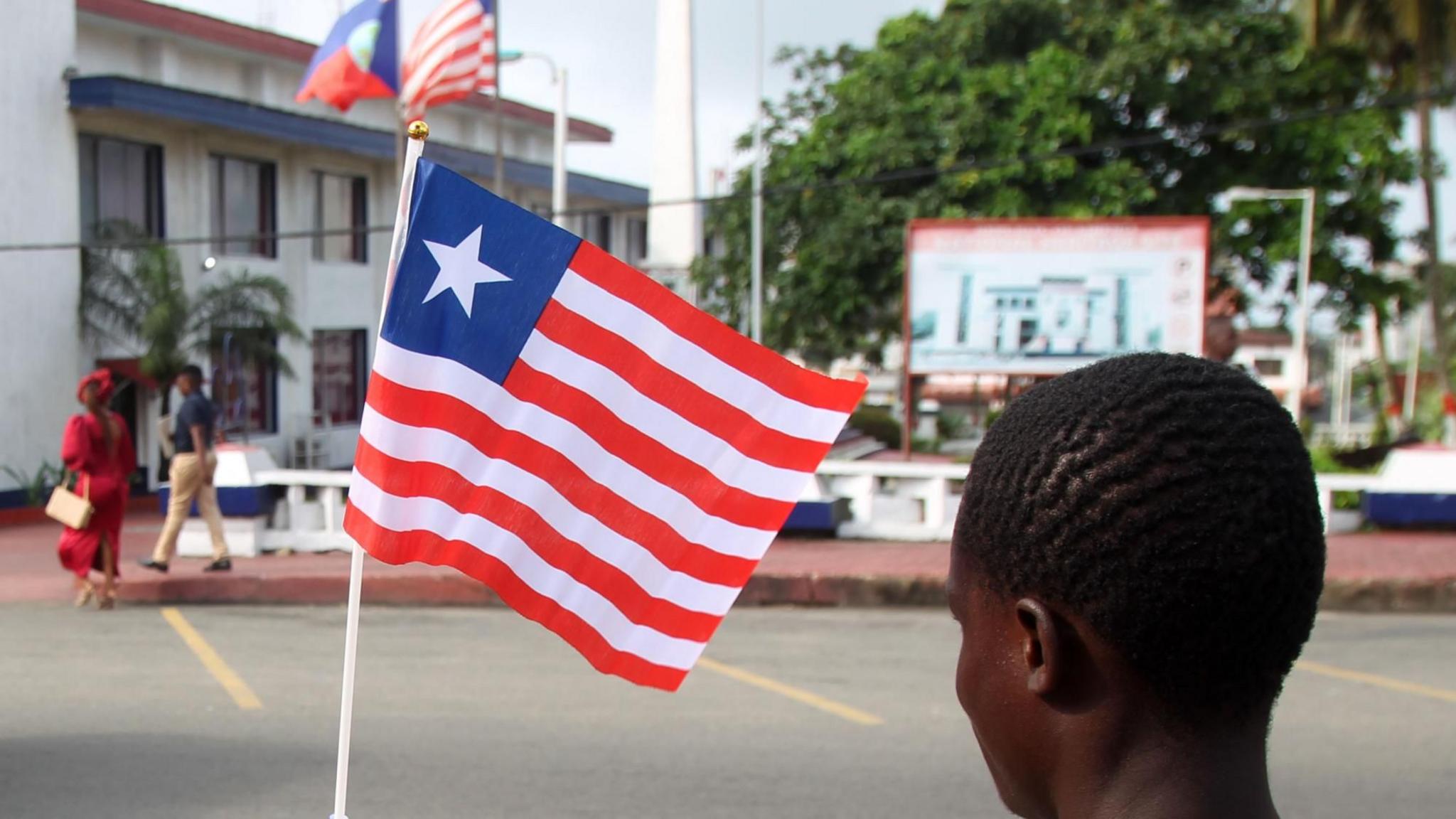
In a landmark move, Liberia has committed to welcome up to 1,200 deportees from the United States over the coming year as part of Washington’s broadened strategy to manage illegal migration. The deal, one of the largest yet brokered by the U.S., is portrayed as a humanitarian effort, with Liberia emphasising its historical role as a haven for those seeking refuge. An initial batch of 20 is scheduled to arrive in Monrovia this Thursday, with the promise that the newcomers can leave at will or apply for asylum. While the U.S. claims the agreements are lawful, critics argue they lack transparency and often result in forced re‑patriation to dangerous countries. Liberia has stated it accepts the deportees without compensation, positioning the arrangement as purely altruistic and tied to broader U.S. support for migration systems on the continent.
Liberia’s Information Minister, Jerolinmek Piah, announced the country’s agreement to accept up to 1,200 foreign nationals deported from the United States during the next 12 months. The move is the most extensive third‑country arrangement to date, underscoring Washington’s growing push to redirect migrants it refuses to send home.
While the U.S. maintains that the programme is lawful, human‑rights groups have flagged the deals as opaque, noting that many deportees are later sent back to nations from which they originally fled. Critics also highlight that, in some cases, the deportees face insufficient legal protection against persecution.
Liberia emphasises that it welcomes the arrivals “as guests” and underscores its long‑standing role as a refuge for people displaced by conflict, war or persecution. The government states that none of the deportees are criminals or subject to legal proceedings in either the United States or Liberia.
An initial convoy of 20 individuals will reach Monrovia this Thursday. They will have the freedom to depart at any time or to apply for asylum within Liberia, according to the minister. This promise reflects the nation’s commitment to uphold humanitarian norms.
Other African states—Ghana, Equatorial Guinea, Eswatini, the Democratic Republic of Congo and Sierra Leone—have already signed similar accords, accepting contingents from the U.S. While the U.S. claims compensation is not required, Eswatini has received $5.1 million from the Trump administration to support its participation in the programme.
Piah stressed that Liberia’s cooperation was “entirely humanitarian” and that the nation would receive U.S. assistance to strengthen its migration system. No comment has yet come from the U.S. State Department about the new deal.
Liberia’s foundation in the early 19th century as a settlement for freed African-American slaves and Caribbean ex‑slaves frames its contemporary stance. The country’s leadership is thus keen to continue its legacy of welcoming those who cannot return to their countries of origin, a sentiment echoed by the minister with a pledge to avoid actions “against our best interest.”