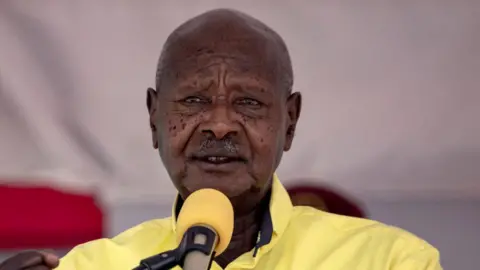
Ugandans under the age of 40 - and that is more than three-quarters of the population - have only known one president.
Yoweri Museveni seized the top job in 1986 following an armed uprising and at the age of 81, he shows no signs of budging.
His time at the helm has been accompanied by a long period of peace and significant development, for which many are grateful. But his critics say he has maintained his grip on power through a mixture of sidelining opponents and compromising independent institutions.
We don't believe in [presidential] term limits, he once told the BBC, secure in his role after winning a fifth election.
A year later, the age limit for a presidential candidate was removed - paving the way, many believe, for Museveni to become president for life.
Museveni's journey began in 1944, born into a family of cattle keepers in western Uganda. He rose to prominence during Uganda's tumultuous era of independence, and his government initially saw strong economic growth and improvements in education and health.
However, criticisms have mounted over the years, notably regarding his administration's treatment of dissent. The weakening of the judiciary and the media's independence, alongside repressive actions against opposition figures, has raised alarms about the state of democracy in Uganda.
As Museveni seeks re-election, he faces significant opposition from figures like Bobi Wine, whose activism against the incumbent draws large crowds of young supporters. Allegations that Museveni is preparing for a dynastic succession have sparked further debates about the future of Uganda under his leadership.
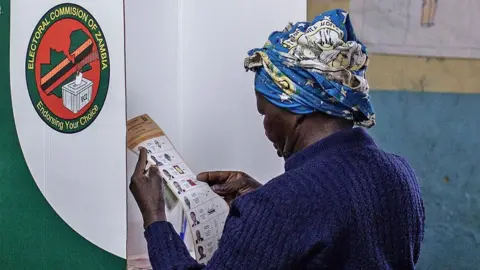
Amid these tensions, Museveni remains confident, insisting, Uganda is secure. Go out and vote. His long tenure symbolizes both stability and contention as he prepares for the forthcoming elections.