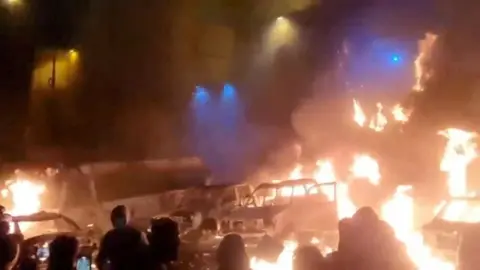
As protests in Iran entered their second week, Iranian authorities issued coordinated warnings to demonstrators, exacerbating a tense situation that has left local hospitals overwhelmed with injuries. A doctor from an eye hospital in Tehran reported that the facility was in crisis mode, struggling to cope with the influx of patients. Another medic communicated through Starlink satellite internet, indicating that their hospital, located in Shiraz, lacked sufficient surgeons to manage the large number of injured, many suffering from gunshot wounds.
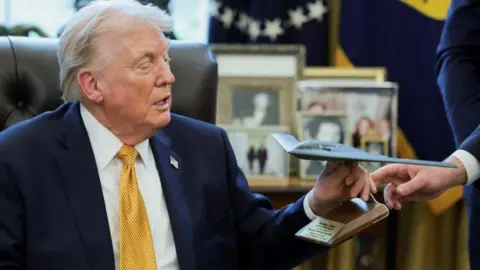
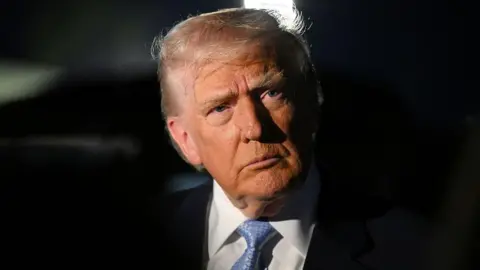
US President Donald Trump remarked that Iran was in significant trouble and warned any use of force against protesters would lead to US retaliation. Iran's regime, in a letter to the UN Security Council, accused the US of inciting violence amidst the civil unrest.
While anti-government protests have surged across dozens of cities, human rights groups report at least 50 protesters have been killed, amidst allegations of government crackdowns. The BBC's reporting is hindered by restrictions within Iran and an internet blackout since the protests began.
International leaders urged Iran to respect the right to peaceful assembly. Following statements from world leaders including French President Macron and UK Prime Minister Starmer, who emphasized the need for the Iranian authorities to safeguard their citizens' freedoms, Iran's Supreme Leader Ali Khamenei declared that the government would not yield to those challenging its authority.
As the violence escalates, the Iranian government pledges to take decisive action against what it describes as armed vandals disrupting peace and security, while the investigative efforts of various human rights organizations reveal patterns of severe human rights violations amid the protests.
US President Donald Trump remarked that Iran was in significant trouble and warned any use of force against protesters would lead to US retaliation. Iran's regime, in a letter to the UN Security Council, accused the US of inciting violence amidst the civil unrest.
While anti-government protests have surged across dozens of cities, human rights groups report at least 50 protesters have been killed, amidst allegations of government crackdowns. The BBC's reporting is hindered by restrictions within Iran and an internet blackout since the protests began.
International leaders urged Iran to respect the right to peaceful assembly. Following statements from world leaders including French President Macron and UK Prime Minister Starmer, who emphasized the need for the Iranian authorities to safeguard their citizens' freedoms, Iran's Supreme Leader Ali Khamenei declared that the government would not yield to those challenging its authority.
As the violence escalates, the Iranian government pledges to take decisive action against what it describes as armed vandals disrupting peace and security, while the investigative efforts of various human rights organizations reveal patterns of severe human rights violations amid the protests.