There were violent clashes between anti-government protesters and security forces in several locations in Iran on Wednesday, as a wave of unrest sparked by the country's economic crisis continued for an 11th day.
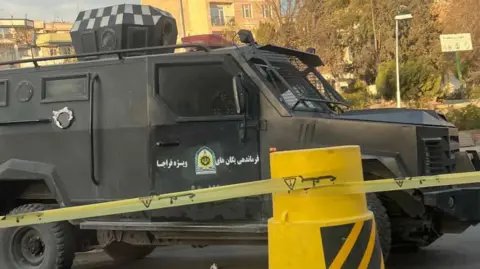
Iran's semi-official Fars news agency, close to the Revolutionary Guards, reported that two policemen were shot and killed by armed individuals in the south-western town of Lordegan.
Videos shared on social media depicted tense standoffs between protesters and security forces, complete with the sounds of gunfire in the distance.
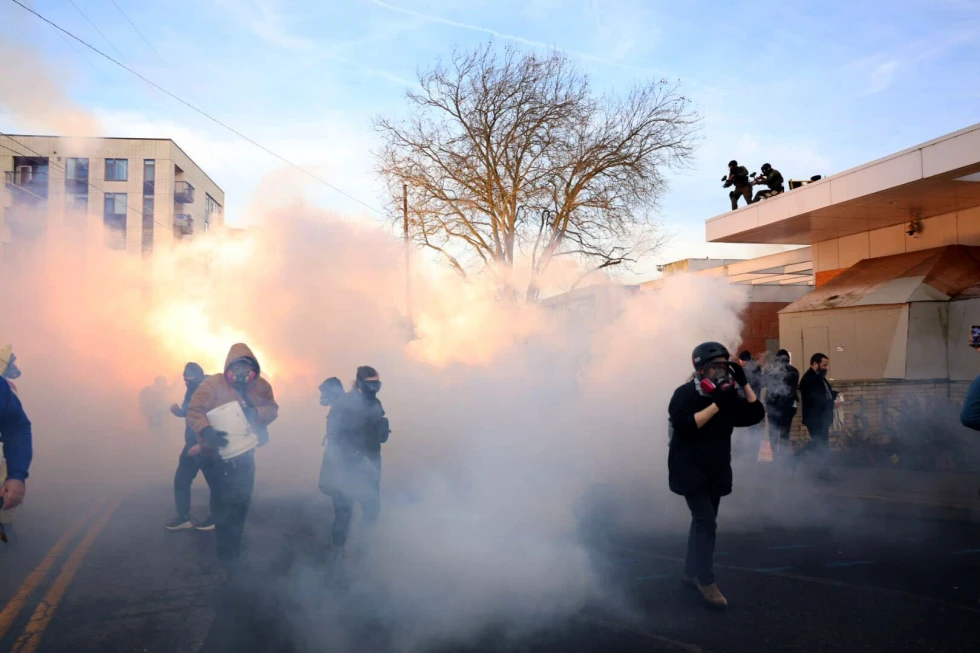
Additional footage from various regions showed security forces firing guns and tear gas towards crowds of protesters, some retaliating by throwing stones.
The protests have spread to 111 cities and towns across all 31 provinces, as reported by the US-based Human Rights Activist News Agency (HRANA). There have been at least 34 reported deaths among protesters and four security personnel, with 2,200 individuals arrested.
The unrest was ignited on December 28 when shopkeepers in Tehran protested against a significant drop in the value of the Iranian currency, the rial, which has reached a record low amid soaring inflation of 40% and sanctions related to Iran's nuclear program.
University students joined the demonstrations, expanding their reach as crowds voiced opposition to the Supreme Leader, Ayatollah Ali Khamenei, while expressing support for Reza Pahlavi, the exiled son of Iran's late former Shah.
On Wednesday, reports confirmed protests in Qazvin, with demonstrators chanting slogans against Khamenei; in Bandar Abbas, crowds called for police support against security forces resorting to aggression; and in Mashhad, protesters forced security personnel to retreat.
As night descended, security forces were seen deploying tear gas to scatter a protest in Aligudarz after demonstrators shouted calls for a people's uprising.
Following a cabinet meeting, Vice-President for Executive Affairs Mohammad Jafar Qaempanah stated that President Masoud Pezeshkian had insisted no security measures be enforced against peaceful protesters, differentiating them from those using firearms and attacking official sites.
Khamenei urged dialogue with protesters, but also stressed that those labeled as rioters should face punitive measures. Simultaneously, judiciary chief Gholamhossein Mohseni Ejei declared that rioters would face swift legal repercussions.
Dr. Sanam Vakil from Chatham House noted the growing political nature of the protests, citing public dissatisfaction tied to dire economic conditions. Analysts suggest the government's response may be tempered by fears of potential U.S. intervention amidst escalating tensions.