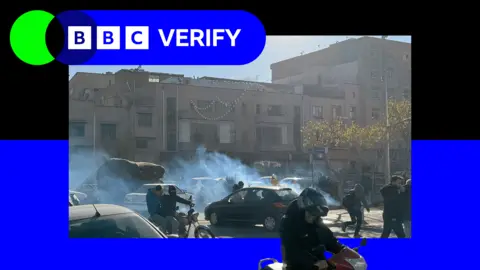
Iran is witnessing a wave of anti-government protests that have spread to at least 17 of its 31 provinces, marking a significant challenge to the clerical regime since the historic protests of 2022. According to a report by BBC Verify and BBC Persian, verified video footage demonstrates that unrest has spiked since December 28, following a sharp devaluation of the Iranian currency.
More than 50 cities and towns have been involved in the protests, with confirmed incidents reportedly occurring in regions previously considered loyal to the government. Evidence from over 100 videos and reports indicate that demonstrators are expressing their discontent not just with economic hardship but also with the overarching authority of the ruling clerics.
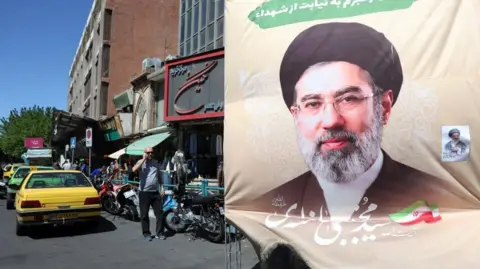
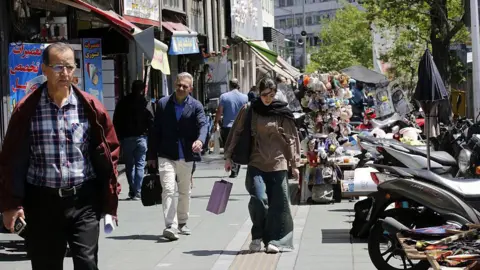
As the protests gained momentum, calls for regime change became more prominent. Many protesters have chanted slogans condemning Supreme Leader Ayatollah Ali Khamenei and the Islamic Republic, marking a shift towards outright opposition. In Tehran, crowds gathered with banners and chants denouncing government mismanagement and corruption.
Despite initial restraint from security forces, the response to the protests has escalated. Incidents of violence have been reported, with several clashes leading to casualties. There are claims of fatalities, with at least 35 people reported dead according to human rights organizations.
Experts suggest that the current unrest, although widespread, lacks a centralized strategy aimed at toppling the regime. They caution that deepening repression could increase public resentment and potentially undermine the loyalty of security forces tasked with maintaining order.
Holly Dagres, a senior fellow at the Washington Institute, noted that the factors driving the protests remain the same as in previous years: mismanagement, corruption, and repression. While the protests represent a significant outpouring of public sentiment, analysts continue to assess the potential implications for the regime in the weeks to come.