
Six smuggling traffickers jailed for the deadliest channel boat crash
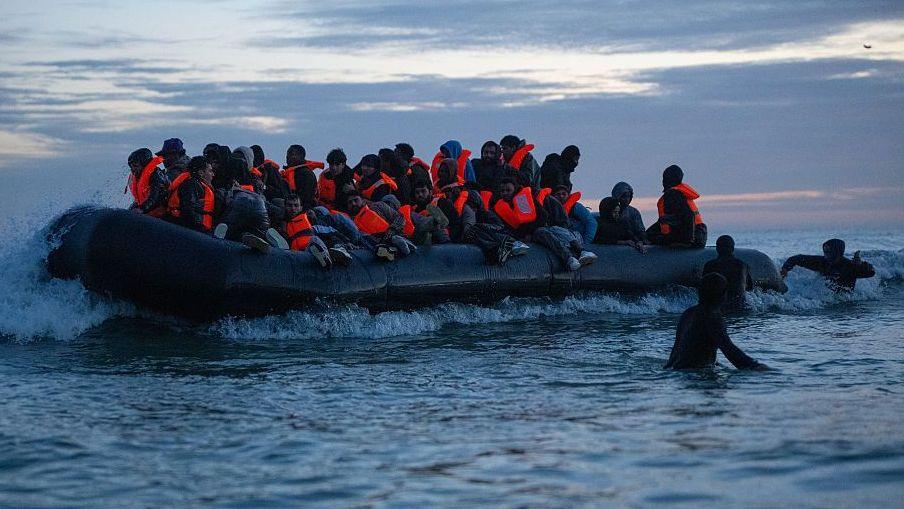
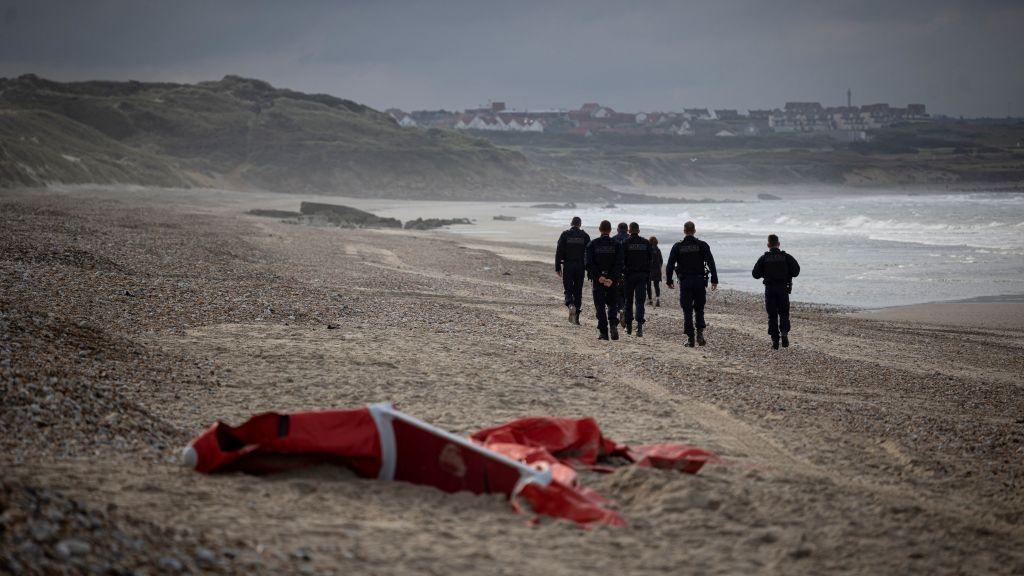
In a Paris courtroom that had centred on the tragic night a small boat capsised on 24 November 2021, six men were found guilty of involuntary homicide and sentenced to between six and ten years in prison for the deaths of 31 migrants. The boat, described as poorly built, uncertified and overloaded, failed to make the short crossing to England, sinking within minutes of launch. Only two men survived, while the others included a seven‑year‑old child.
The jurors noted that the victims were mainly Iraqi Kurds, with a smaller number of Afghans, Egyptians and Iranian Kurds. The charge sheet alleged that the traffickers had fitted the boat with inadequate life jackets and had pushed a crowded load of refugees from the French coast into danger.
The court linked the defendants to two interlinked smuggling networks: one led by an Iraqi Kurd and the other by an Afghan. Authorities used telephone data to trace calls and bring men to justice, including those who provided shelter and transport to the “jungle” camp outside Calais. Several defendants had previously been free men, leading the judge to issue arrest warrants after their convictions.
Family members of the victims testified before the jury, some of whom had travelled from Iraqi Kurdistan to France to attend the hearing. Their emotional accounts described the desperate choices that pushed their loved ones onto a doomed voyage. One survivor, speaking through his lawyer, recounted clinging to floating debris and refusing to sleep until he could swim back to safety.
Police investigations have also focused on seven members of the French navy who allegedly ignored distress calls on the night of the disaster. A separate inquiry into the navy’s conduct is expected to decide whether the men will face trial. While the trial concluded, France and the UK announced the end of the “one‑in‑one‑out” scheme that had allowed the UK to return irregular migrants to France in exchange for asylum grants.
The verdict delivers a painful acknowledgment that the traffickers bear responsibility for the loss of life. Yet officials stress the tragedy was avoidable, and measures remain under review to protect migrants and disrupt the smuggling networks driving the Channel’s darkest nights.