In brief
Starbucks China has rolled out a new policy that mandates customers to purchase an item before they can occupy a seat in its 8,000 cafés. The move, announced on Thursday, aims to improve the in‑store experience and address the growing issue of non‑paying patrons. Social media users largely welcomed the change, citing the scramble for seating that has plagued cafés in recent years. Starbucks faces stiff competition from domestic chains like Luckin Coffee, which offers cheaper products and a grab‑and‑go order model. The policy reflects a broader trend among global Starbucks locations to prioritize paying customers during peak times.
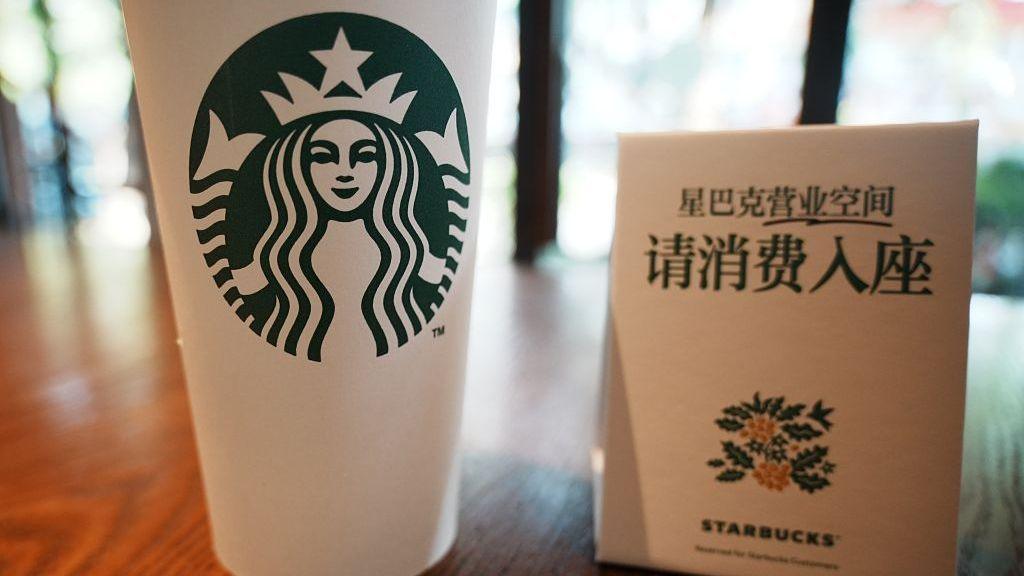
Just walking into a Starbucks in China, you might find a sign asking you to buy something before you can sit down. That’s the new rule that Starbucks China announced on Thursday, covering every one of its roughly 8,000 cafés nationwide.
The policy is part of an effort to “improve the in‑store experience” and stem the problem of customers who occupy seats without making a purchase. It comes as the company faces fresh pressure from homegrown brands such as Luckin Coffee, which dominate the market with lower prices and a fast‑service, app‑based model that encourages quick take‑away orders.
Videos of the new “purchase to sit” signs circulated on social media, with many users expressing support. One Weibo comment highlighted that the policy would clear tables for paying customers, while another praised the move as a sensible way to discourage people from blocking seats during busy periods.
Starbucks is not alone in tackling seat‑hoarding. In February, a Sichuan outlet reportedly blocked tables with chains, and in South Korea the chain asked patrons to stop bringing bulky items into cafés to avoid occupying too many seats. In North America, the company phased back its long‑standing open‑door policy to give priority to paid customers during peak hours.
The shift is also part of a broader strategy that includes increasing staff numbers and upgrading digital systems to deliver faster, warmer service, as Starbucks China indicated in a statement the previous day. The chain’s stake in its Chinese operations was announced last year, when it sold 60 % to Boyu Capital in a deal worth about $4 billion.
While some see the policy as a necessary step in maintaining profitability in a highly competitive market, others worry it may alienate casual shoppers. How the change will impact Starbucks’ brand perception and customer loyalty in China remains to be seen.