In brief
After a two‑day round of talks in Oslo and St Petersburg, the war in Ukraine still appears distant from resolution. Norway’s prime minister called the meetings “good and constructive”, yet they produced little real traction, especially from the Kremlin, which said it might resume technical talks in Abu Dhabi but not a full summit. Ukrainian president Zelensky, U.S. envoy Steve Witkoff, and Russian foreign policy adviser Yuri Ushakov all noted that the discussions mainly offered vague proposals that were unlikely to lead to a cease‑fire. Meanwhile, with Donald Trump easing sanctions and buying Russian diesel, the Kremlin feels less pressure, and a future “New Yalta”‑style gathering in China, involving Putin, Trump and Xi Jinping, has been suggested by Russian commentators.
After a two‑day series of meetings in Oslo and St Petersburg, the prospect of an end to the Ukraine war still feels distant. Norway’s prime minister described the talks as "good and constructive," yet the discussions produced little tangible progress, especially at the Kremlin end.
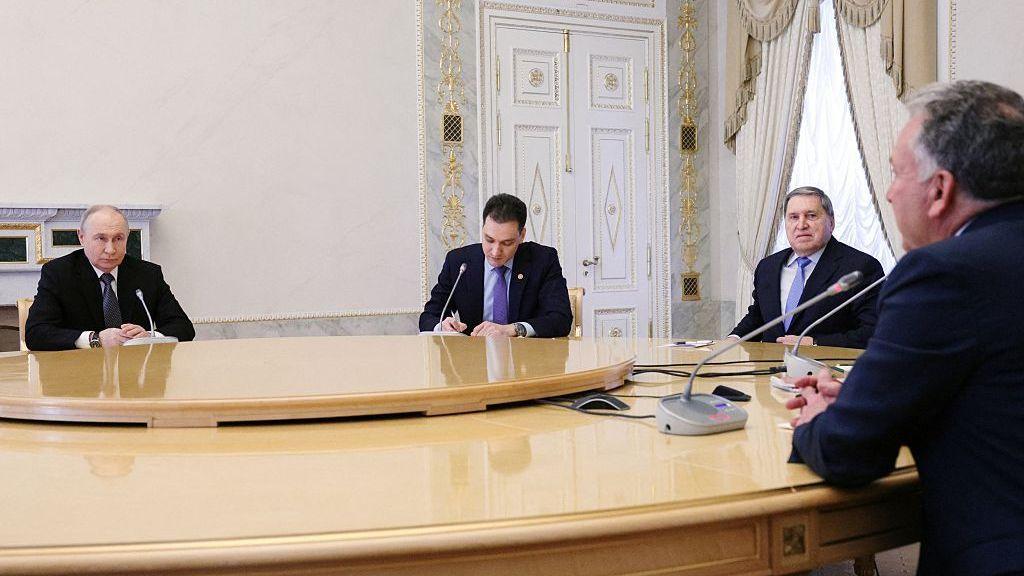
The Oslo meeting brought together Ukrainian president Volodymyr Zelensky, U.S. envoy Steve Witkoff and European officials—all hoping that a trilateral summit with Russia could lead to a ceasefire. But Russian foreign‑policy aide Yuri Ushakov, who attended the St Petersburg talks, said Putin had no interest in sharing a table with Zelensky—unless that table was in Moscow and would simply reiterate existing positions.
Ushakov reported that Witkoff had relayed to President Putin information from Oslo about "new approaches from the Europeans and Kyiv," but the Kremlin adviser stayed unimpressed, noting that "there wasn’t much there that was useful" for resolving the crisis. He added that while progress was moving in a certain direction, it remained vague at best.
Meanwhile, U.S. President Donald Trump has paused some sanctions against Moscow, agreed to purchase Russian diesel, and publicly criticized Zelensky. This development eases pressure on the Kremlin and signifies a shift in U.S. policy toward a more conciliatory stance, according to Russian MP and TV anchor Evgeny Popov.
In the wider geopolitical context, Russia, China and the United States represent the current trio of superpowers. Some commentators predict a "New Yalta"‑style meeting at next month’s APEC summit, where Putin, Trump and Xi Jinping could convene on the fringes of the conference. Such an event would place Russia at the centre of global politics in exactly the position President Putin seeks.
Although a formal US‑Russia‑Ukraine trilateral summit may not be imminent, the subdued dialogue in Norway and the evolving international dynamics suggest that the trajectory of the conflict remains uncertain, with each side weighing strategic advantages more carefully than ever.