MINNEAPOLIS (AP) — Federal prosecutors in Minneapolis have moved to drop felony assault charges against two Venezuelan men, Alfredo Alejandro Aljorna and Julio Cesar Sosa-Celis, after new evidence emerged that undercuts the government’s version of events. In a formal filing made Thursday, the U.S. Attorney’s Office for the District of Minnesota described the newly discovered evidence as ‘materially inconsistent with the allegations’ made in a previous criminal complaint.
The filing seeks a ‘dismissal with prejudice,’ preventing the government from re-filing charges against the two men.
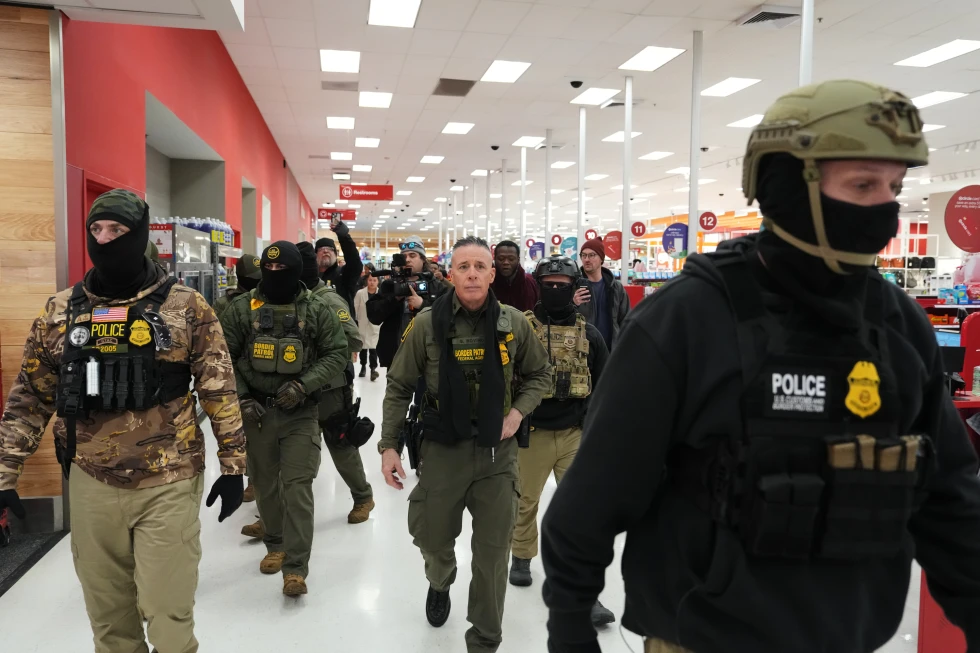
This development follows a pattern of high-profile shootings involving federal immigration agents, where eyewitness statements and video evidence have questioned claims used to justify the use of deadly force. A number of felony cases against protestors accused of assaulting federal officers have also collapsed amid similar revelations.
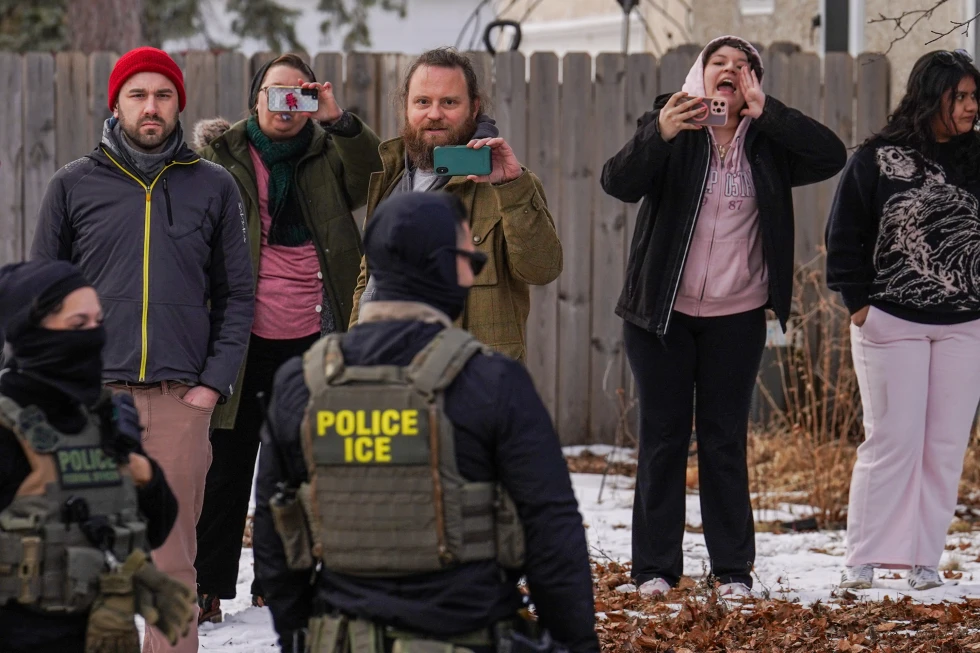
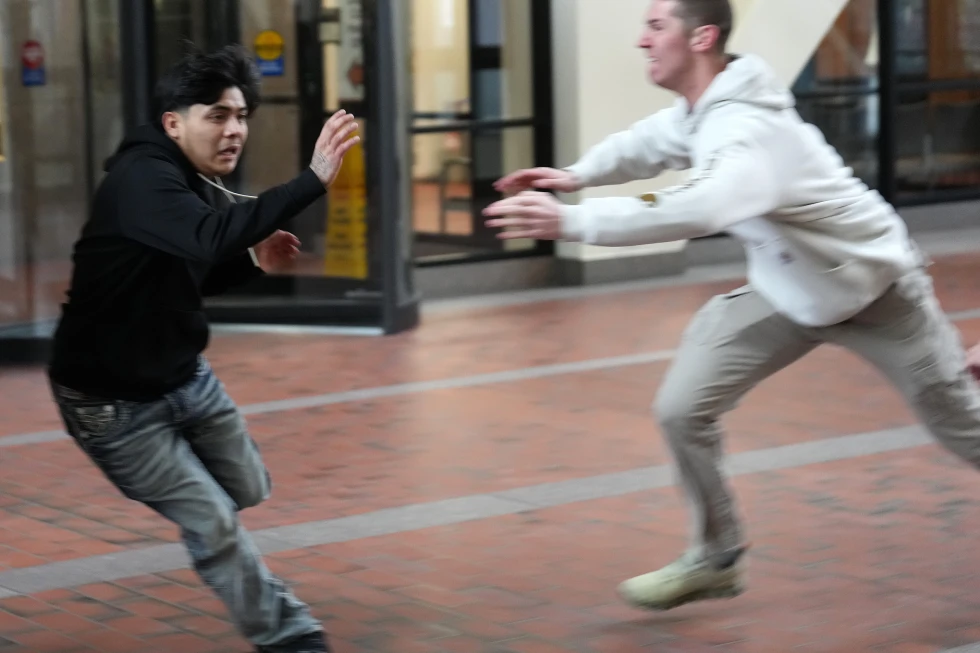
The incident in question occurred on January 14, where U.S. Immigration and Customs Enforcement (ICE) officers attempted to stop a vehicle driven by Aljorna. The altercation escalated, with claims that Aljorna violently resisted arrest, leading to an ICE officer shooting Sosa-Celis in the leg.
However, as the officer grappled with Aljorna, Sosa-Celis reportedly came out of an apartment and attacked the officer using a snow shovel and broom handle. The officer's account of this encounter has faced scrutiny, especially given contradictions from multiple eyewitness accounts, including Aljorna and Sosa-Celis themselves.
A January court hearing revealed discrepancies in the officer’s narrative, particularly regarding his claims of being assaulted and the assertion of a third person’s involvement, which video evidence failed to support.
Aljorna’s attorney argues that he only threw the broomstick at the agent and did not attack. Meanwhile, Sosa-Celis’ legal representation maintains that he was retreating when shot, noting that both men lack any history of violent crime, having worked as delivery drivers to minimize contact with law enforcement.
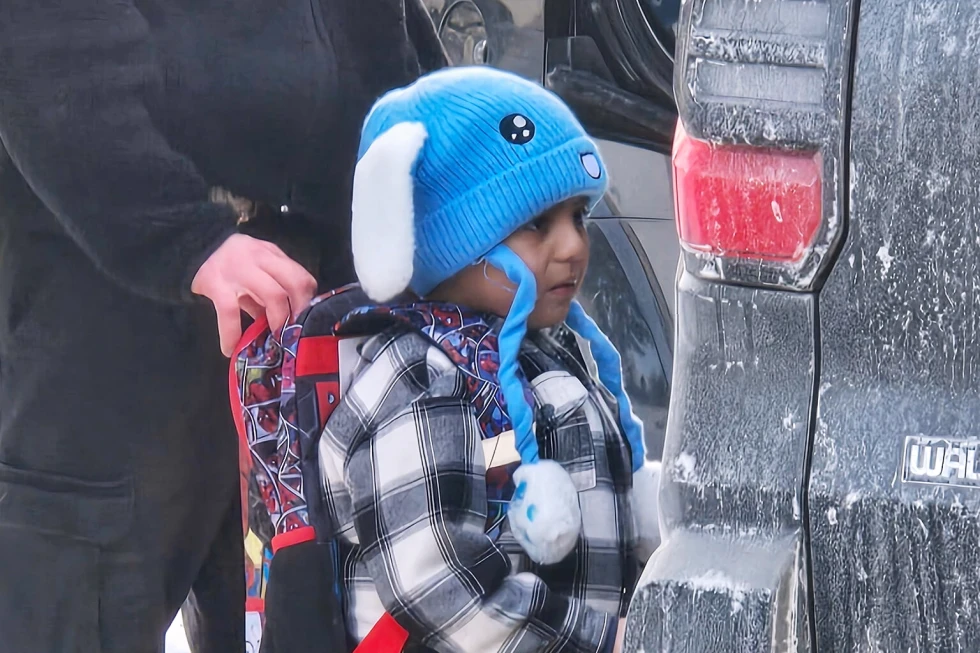
In the aftermath of the shooting, federal officials attempted to apprehend the two men in their home, leading to the use of tear gas by authorities. Given safety concerns for children present in the residence, the men ultimately surrendered to law enforcement.
The questioning of the officer’s actions is part of a broader discourse on policing tactics and the treatment of individuals during immigration enforcement actions.
The filing seeks a ‘dismissal with prejudice,’ preventing the government from re-filing charges against the two men.
This development follows a pattern of high-profile shootings involving federal immigration agents, where eyewitness statements and video evidence have questioned claims used to justify the use of deadly force. A number of felony cases against protestors accused of assaulting federal officers have also collapsed amid similar revelations.
The incident in question occurred on January 14, where U.S. Immigration and Customs Enforcement (ICE) officers attempted to stop a vehicle driven by Aljorna. The altercation escalated, with claims that Aljorna violently resisted arrest, leading to an ICE officer shooting Sosa-Celis in the leg.
However, as the officer grappled with Aljorna, Sosa-Celis reportedly came out of an apartment and attacked the officer using a snow shovel and broom handle. The officer's account of this encounter has faced scrutiny, especially given contradictions from multiple eyewitness accounts, including Aljorna and Sosa-Celis themselves.
A January court hearing revealed discrepancies in the officer’s narrative, particularly regarding his claims of being assaulted and the assertion of a third person’s involvement, which video evidence failed to support.
Aljorna’s attorney argues that he only threw the broomstick at the agent and did not attack. Meanwhile, Sosa-Celis’ legal representation maintains that he was retreating when shot, noting that both men lack any history of violent crime, having worked as delivery drivers to minimize contact with law enforcement.
In the aftermath of the shooting, federal officials attempted to apprehend the two men in their home, leading to the use of tear gas by authorities. Given safety concerns for children present in the residence, the men ultimately surrendered to law enforcement.
The questioning of the officer’s actions is part of a broader discourse on policing tactics and the treatment of individuals during immigration enforcement actions.